
Plants
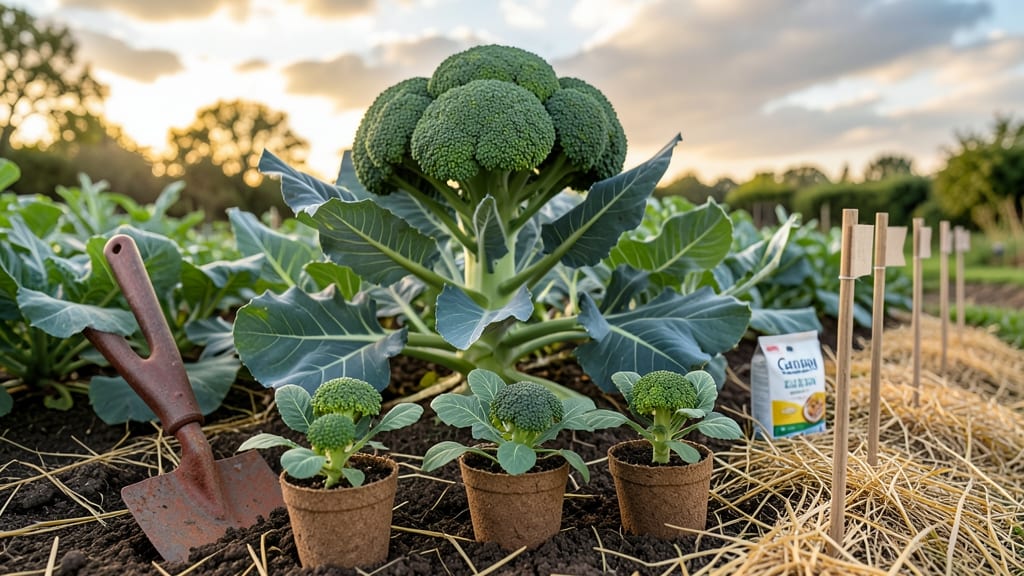
Planting fall broccoli 🥦 in Zone 6 at the wrong time means watching your seeds rot in the heat or bolt before harvest—both are avoidable mistakes.
The key isn’t just picking a date from a calendar; it’s understanding when your soil cools enough for fast germination and how many frost-free days your variety truly needs.
I’ve learned the hard way that Zone 6’s late summer heat can turn eager gardeners into impatient ones—waiting too long delays harvests, but planting too early risks stunted growth. The 4-6 week window before your first frost isn’t arbitrary; it’s a soil temperature trigger that most guides skip over.
In this guide, I’ll break down exactly when to plant for a fast fall harvest, including how to adjust for your microclimate and which broccoli varieties mature before winter sets in. No more guessing—just precise timing for the garden you actually get.
Ready to grow broccoli that thrives? Let’s dive into the soil temp secrets that’ll have your 🥦 heads ready by Thanksgiving.
Ideal soil temperature and planting window for fall broccoli in Zone 6
In Zone 6, fall broccoli thrives when planted during a 4-6 week window before the first frost—typically between mid-August and early September. This timing ensures your plants mature before cold snaps arrive, delivering tender, flavorful heads in late fall.
The key? Soil temperatures between 55–75°F—too hot or cold, and germination suffers.
Broccoli seeds need consistent moisture and warmth to sprout. If your soil is above 80°F, germination slows dramatically. Use a soil thermometer to monitor temps—ideal conditions accelerate sprouting from 7–14 days to just 5–7 days.
In Zone 6, this usually aligns with late August, when daytime highs dip into the 70s°F.
Here’s the Zone 6 frost timeline you must follow: First frost typically hits October 15, so aim to harvest by mid-November. For a 60–90 day variety like 'Waltham 29,' plant by September 1; for slower growers like 'Packman,' start by August 15.
These dates ensure heads form before winter sets in.
Regional variations matter! In northern Zone 6 (6a), like Chicago or Minneapolis, shift planting 2 weeks earlier (late July–early August) to beat earlier frosts. In southern Zone 6 (6b), like Atlanta or Raleigh, you can plant until mid-September without risking frost damage.
| Stage | Zone 6 Timeline | Key Action |
|---|---|---|
| Soil Prep | Mid-July | Amend soil with compost; test pH 6.0–7.0. |
| Seed Starting | Late July–Early August | Sow seeds ¼ inch deep; keep soil 60–75°F. |
| Transplanting | Mid-August–Early September | Space plants 18–24 inches apart; water deeply. |
| Harvest Window | Late October–November | Pick heads when firm and dark green; avoid frost. |
Pro tip: Use a row cover to extend your harvest window by 2–3 weeks. Lightweight fabric protects plants from light frosts (28–32°F), letting you harvest well into November. Just remove covers during the day to prevent overheating—broccoli needs full sun for head formation.
If you’re unsure about your local frost date, check the USDA Plant Hardiness Zone Map and add 4–6 weeks to your first frost date for the ideal planting window.
For example, if your first frost is October 20, plant by September 5 for a 90-day variety. This simple math ensures your broccoli matures before winter.
Remember, soil temperature trumps calendar dates. Even if it’s "August," if your soil is still 85°F, wait a week or two. Use a soil thermometer for 3 consecutive days to confirm it’s cooled to 70°F or below before planting.
Patience here pays off with faster germination and healthier plants.
For Zone 6 gardeners, the August 15–September 1 window is your sweet spot. Plant too early, and your broccoli bolts in the heat; too late, and frost ruins your harvest.
Stick to these guidelines, and you’ll enjoy homegrown broccoli straight from your garden to the table—just in time for holiday meals! 🥦
Ideal soil temperature and planting window for fall broccoli in Zone 6
In Zone 6, fall broccoli (🥦) thrives when planted after summer heat subsides but before frost arrives. The key is timing soil temperatures between 55–75°F—too hot, and seeds struggle to germinate; too cold, and growth stalls.
For Zone 6, this window typically opens in mid-August and closes by early September, depending on your exact location.
Your first frost date (usually October 15 in Zone 6) dictates your planting deadline. Aim to sow seeds 4–6 weeks before frost to ensure heads mature before cold sets in.
For example, if frost hits October 15, plant by September 1–15 for a harvest before winter. This timing also avoids the bolting risk from heat stress in late summer.
Soil temperature is more critical than air temperature. Use a soil thermometer to confirm conditions—ideal germination occurs at 60–70°F. If your soil runs hotter, wait until late August or early September. Cool mornings and warm afternoons in fall create perfect conditions for broccoli to thrive without bolting.
🌱 Fall Broccoli Planting Timeline for Zone 6
| Stage | Action | Soil Temp (°F) | Notes |
|---|---|---|---|
| Seed Sowing | Direct sow or transplant seedlings | 55–75°F | Mid-August to early Sept |
| Germination | Sprouts appear in 7–14 days | 60–70°F | Keep soil moist |
| Seedling Growth | Thin to 12–18" apart | 50–65°F | Avoid bolting |
| Head Formation | Harvest before frost | 45–55°F | 60–90 days after planting |
Regional variations in Zone 6 matter. For example, western Zone 6 (e.g., Denver) may have earlier frosts, so plant by late August. In contrast, eastern Zone 6 (e.g., Philadelphia) can extend planting to mid-September.
Check your local USDA frost map or ask your cooperative extension service for precise dates.
For faster germination, pre-chill seeds for 2–3 days in the fridge before sowing. This mimics winter conditions and tricks broccoli into thinking it’s time to grow. Pair this with well-draining soil amended with compost, and your seedlings will emerge stronger and more uniformly.
Pro tip: Use black plastic mulch to warm soil in early August if you’re eager to plant sooner. This can shave off 1–2 weeks of waiting for ideal temperatures. Just remove it once seeds sprout to avoid overheating.