
Plants
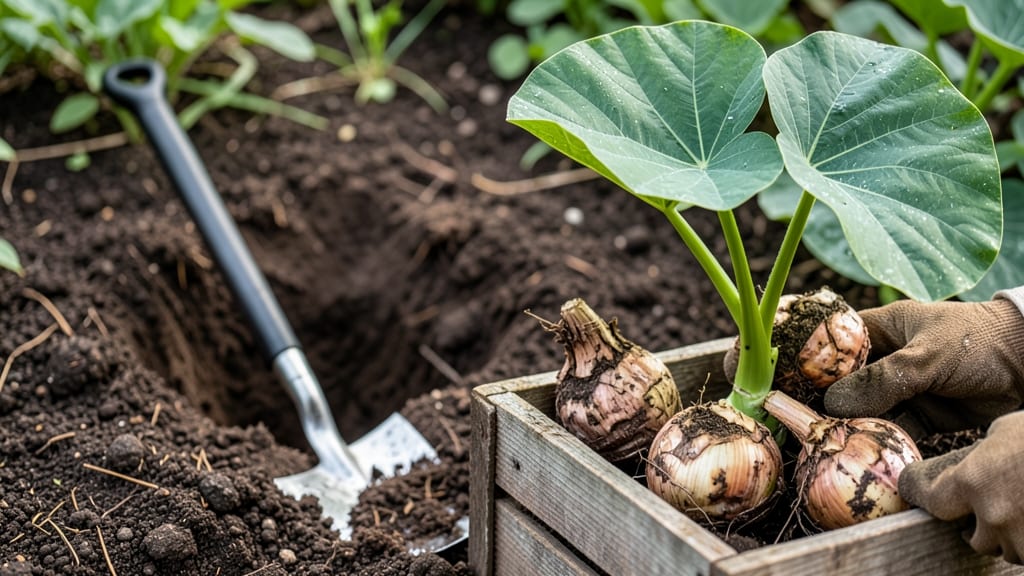
Planting elephant ear bulbs in Missouri at the wrong time can turn your dream garden into a sad, frost-killed mess—unless you know the soil temperature secrets that protect them from surprise freezes.
The key isn’t just waiting for the last frost date (which varies wildly across the state), but checking when the ground warms to 60°F or higher.
Missouri gardeners in zones 5b-6b face a tricky balance: plant too early, and your 🌿 elephant ear tubers rot in cold soil; wait too long, and you miss the ideal spring planting window of mid-April to early May.
The solution? A few simple tricks—like using black plastic mulch or raised beds—to give your plants the warmth they need to thrive.
I’ve tested these methods in my own garden, and the results speak for themselves: stronger roots, faster growth, and foliage that actually survives Missouri’s unpredictable weather.
Whether you’re a first-time planter or a seasoned pro, these soil temperature hacks will help you avoid common mistakes and get your elephant ears off to the best possible start.
Ready to skip the guesswork? Let’s break down exactly when and how to plant for zero-frost survival, plus what to do if you’ve already missed the ideal window. Your lush, tropical-looking garden is closer than you think!
Missouri’s ideal planting window for elephant ear bulbs based on soil temperature
Missouri gardeners know timing is everything when planting elephant ear bulbs—especially with our unpredictable frost dates. These tropical-looking plants (Colocasia varieties) thrive when soil temperatures hit 60°F or warmer, which typically occurs mid-April to early May across most of the state.
However, northern Missouri (Zone 5b) may need to wait until late May for safety.
Instead of guessing by calendar dates, use soil temperature as your guide. A simple soil thermometer (just $10 at garden centers) will show you when the ground is ready.
For elephant ears, aim to plant when daytime soil temps stay above 60°F for 5+ consecutive days. This ensures roots establish before summer heat arrives.
Missouri’s USDA Zones 5b-6b create regional differences. In southern Missouri (Zone 6b), you can plant as early as early April if soil warms quickly. But in northern Missouri (Zone 5b), wait until after May 15 to avoid frost damage.
Check your local Missouri Climate Center for last-frost averages in your county.
Here’s the golden rule: Never plant elephant ear bulbs in cold soil. Chilly temperatures cause rot and fungal diseases that can kill your plants before they sprout. If you’re eager to start early, consider container gardening with heat mats or grow lights to jumpstart growth indoors.
| Region | Ideal Planting Window | Soil Temp Threshold | Missouri Zone |
|---|---|---|---|
| Southern Missouri | Early April - Mid-April | 60°F+ for 5 days | Zone 6b |
| Central Missouri | Mid-April - Early May | 60°F+ for 5 days | Zone 6a |
| Northern Missouri | Late May - Early June | 60°F+ for 7 days | Zone 5b |
| All Regions (Containers) | Indoors: March 15 | 65°F+ (heat mat) | Zones 5b-6b |
Pro tip: Test your soil a week before planting. Stick your thermometer 4-6 inches deep (where bulbs will sit) and check temps in the morning and evening. If temps dip below 55°F at night, delay planting or use row covers for protection.
Missouri’s spring weather swings can be brutal on tender bulbs. For example, a late-April frost in St. Louis (Zone 6a) can wipe out newly planted elephant ears. To hedge your bets, plant a few weeks after your neighbors—their early attempts might give you a heads-up on frost risks.
Once soil temps are ideal, plant bulbs 2-3 inches deep in well-draining soil mixed with compost. Space them 2-3 feet apart to allow for their large foliage. Water immediately after planting to help soil settle around the bulbs and encourage root growth.
Remember: Elephant ears are not frost-hardy. Even a light freeze (28°F) can damage new growth. If an unexpected frost threatens after planting, cover your bulbs with straw or burlap and remove it during the day to avoid overheating.
By mastering soil temperature timing, you’ll give your elephant ears the best possible start—leading to bold, vibrant foliage all summer long. 🌿
Missouri’s ideal planting window for elephant ear bulbs based on soil temperature
Missouri gardeners know timing is everything—especially for elephant ear bulbs, which thrive once soil warms up. The ideal planting window spans from mid-April to early May, but this shifts slightly depending on your USDA Zone (5b-6b).
Northern Missouri (Zone 5b) may need to wait until late April, while southern areas (Zone 6b) can start as early as mid-April.
Don’t rely solely on calendar dates—soil temperature is your true guide. Elephant ears need soil that’s consistently 60°F or warmer to sprout reliably. Cold, damp soil can cause rot, so always check before planting. A soil thermometer (just $10 at garden centers) takes the guesswork out of timing.
Here’s how Missouri’s frost-free timeline breaks down:
| Region | Last Frost Date | Soil Temp Threshold | Planting Window |
|---|---|---|---|
| Northern MO (Zone 5b) | April 20–May 5 | 60°F+ (consistent) | Late April–early May |
| Central MO (Zone 6a) | April 10–April 25 | 60°F+ (consistent) | Mid-April–late April |
| Southern MO (Zone 6b) | March 25–April 10 | 55°F+ (minimum) | Mid-April–early May |
If you’re eager to start earlier, harden off tubers indoors by placing them in a sunny window for 1–2 weeks before transplanting. This jumpstarts growth and gives you a head start on the season. Just avoid planting until soil warms—cold soil will stall or kill your bulbs.
Pro tip: Test soil readiness by pressing your finger into the ground. If it feels like a warm bath (not cold or damp), it’s time to plant. Elephant ears reward patience with bold foliage that thrives in Missouri’s summer heat.
For extra insurance, pre-warm your soil by covering garden beds with black plastic mulch 2–3 weeks before planting. This raises soil temps by 5–10°F, accelerating growth and reducing frost risk.