
Plants
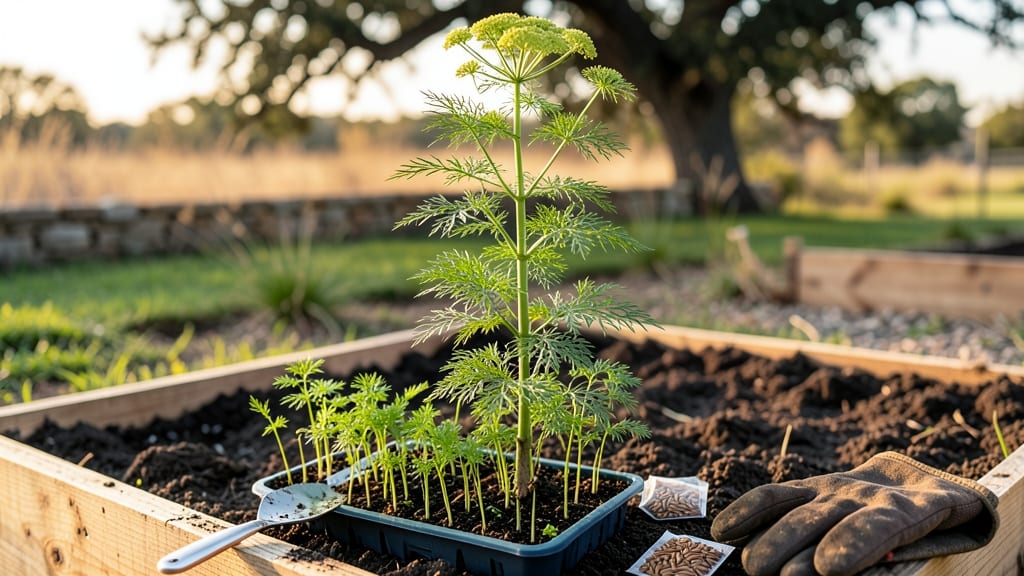
Planting dill in Texas at the wrong time means watching your seeds turn to crispy snacks before they even sprout—unless you nail the heat-zone timeline that keeps your 🌿 thriving all season.
Here’s the secret: Texas gardeners get two chances to plant dill—once in late winter when the ground warms enough to avoid frost, and again in late summer to beat the worst of the heat.
Skip either window, and you’ll end up with either wilted seedlings or a harvest that bolts faster than a jackrabbit.
I’ve tested the best months for Texas’ 8a-10b zones, including how to prep soil for fast germination and space plants to avoid overcrowding. Let’s dive into the exact schedule that’ll give you fresh dill from spring through fall—no guesswork, just results.
You’ll also discover how to stretch your harvest through Texas summers with shade tricks, watering hacks, and the best companion plants to keep pests like spider mites at bay. Ready to grow dill that actually lasts?
Best months to plant dill in Texas heat zones (8a-10a)
Texas’s diverse heat zones (8a–10a) mean your dill planting schedule should shift from North to South Texas. In Zone 8a, like Dallas, aim for late February to early March—just after the last frost—while Zone 10a, like Brownsville, can start as early as January for cooler winters.
The key is soil temperatures above 60°F; dill seeds won’t germinate in cold, damp soil.
For a second harvest, plant again in late August to early September. This timing lets dill mature before fall temperatures drop in October, giving you fresh leaves for holiday cooking or seed production. Just avoid planting after mid-September in North Texas—seeds may not mature before frost.
Dill thrives in Texas’s long growing season, but heat stress after 90°F can cause bolting (premature flowering). To combat this, use shade cloth or plant in partial shade during peak summer months.
South Texas gardeners can push the envelope with year-round plantings, but even there, summer dormancy is common.
Here’s a quick Texas-specific timeline to follow:
| Zone | Best Planting Months | Soil Temp Requirement | Harvest Window |
|---|---|---|---|
| 8a (Dallas) | Late Feb–Early Mar, Aug–Sep | 60°F+ | April–May, Oct–Nov |
| 9a (Austin) | Jan–Feb, Aug–Sep | 60°F+ | March–April, Sept–Oct |
| 10a (Brownsville) | Jan–Feb, Aug–Sep | 65°F+ | Feb–March, Sept–Oct |
If you’re in Zone 8a or 9a, mark your calendar for March 15—this is the sweet spot for spring plantings. By then, soil temperatures have stabilized, and frost risk is minimal.
For fall plantings, August 20 is ideal in North Texas, while South Texas can extend this to September 15.
Pro tip: Direct-sow seeds instead of transplanting. Dill hates root disturbance, and seedlings often bolt faster when stressed. Scatter seeds ¼-inch deep in well-draining soil and keep them moist until germination (7–14 days). Thin seedlings to 12–18 inches apart once they’re 2 inches tall.
Texas’s variable rainfall can also affect timing. If you’re in a drought-prone area, like West Texas, pre-sprout seeds indoors 2–3 weeks before your target outdoor date. This gives them a head start in hot, dry conditions.
For container gardening, plant dill in 5-gallon pots and place them in partial shade during summer. This mimics the natural shade dill would get under taller plants in a garden bed. Just ensure pots have drainage holes—dill rots quickly in soggy soil.
Always check your local frost dates—they vary 1–2 weeks by county. The Texas A&M AgriLife Extension offers free frost maps tailored to your zip code. Planting too early in North Texas risks frost damage, while South Texas gardeners can push limits with year-round growth.
Finally, companion planting can help dill thrive. Pair it with cucumbers, lettuce, or tomatoes to repel pests like spider mites—a common Texas garden threat. Avoid planting near carrots or onions, which can stunt dill’s growth.
Best months to plant dill in Texas heat zones (8a-10a)
Texas’s diverse heat zones (8a-10a) mean your dill planting schedule depends on where you live. In North Texas (8a-9a), the last frost typically hits around February 15, giving you a 60-day growing window before summer heat peaks.
Meanwhile, South Texas (9b-10a) can plant earlier (January) and later (October) due to milder winters and longer frost-free seasons.
For optimal germination, aim for soil temperatures between 70°F–80°F. This usually aligns with March–April for spring plantings and August–September for fall harvests. Dill seeds won’t tolerate frost, so wait until nighttime temps stay above 40°F—a critical rule for Texas gardeners!
🌱 Pro Tip: Use a seedling heat mat if planting in February to jumpstart growth before the last frost. This is especially helpful in Zone 8a, where cooler nights can delay sprouting.
| Texas Zone | Last Frost | Best Planting Window | Harvest Ready |
|---|---|---|---|
| 8a (North) | Feb 15 | March–April, Aug–Sept | April–May, Oct–Nov |
| 9a (Central) | Feb 1 | Feb–March, Aug–Sept | March–April, Sept–Oct |
| 10a (South) | Jan 1 | Jan–Feb, Sept–Oct | Feb–March, Oct–Nov |
If you miss the spring window, don’t panic! Late-summer plantings (August) work beautifully in Texas. The fall harvest will coincide with cooler temps, reducing heat stress and bolt risk.
Just be sure to space seeds 12–18 inches apart—crowding leads to poor air circulation and fungal diseases like powdery mildew.
For Zone 10a, where winters are mild, you can even plant dill year-round with partial shade during peak summer (June–July). This two-season strategy ensures a continuous dill supply for your garden or kitchen.
Remember: Dill bolts quickly when stressed by heat or drought. Monitor your plants and harvest leaves regularly to encourage bushier growth. With the right timing, you’ll enjoy fresh dill for pickling, soups, or garnishes all year!