
Plants
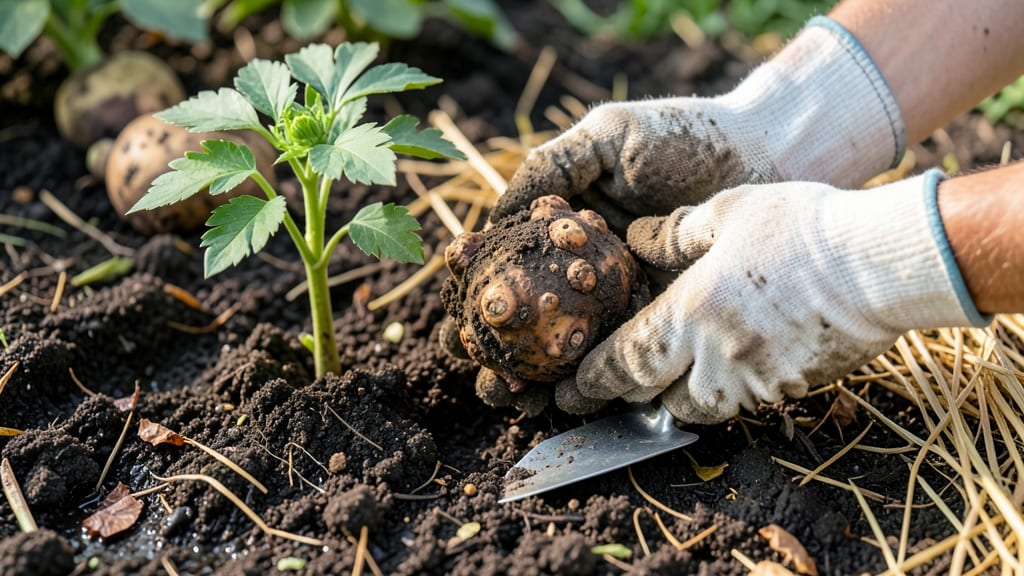
Planting dahlias in Zone 8a feels like walking a tightrope—get the timing wrong, and your 🌼 dahlias might not survive the season. The key isn't just waiting for spring; it's tracking soil temperatures and frost risks to give your tubers the perfect start.
Most gardeners in Zone 8a make one critical mistake: planting too early when the ground is still chilly. Cold soil slows root growth, leaving dahlias vulnerable to frost damage. But if you wait too late, you miss out on months of vibrant blooms.
The solution? Plant when soil hits 60°F—typically February to March—and use mulch to protect them from unexpected cold snaps.
I've learned the hard way that pre-sprouting tubers indoors can give you a head start, but even that requires patience. In this guide, I'll break down the exact steps—from testing soil warmth to adjusting for microclimates—to ensure your dahlias thrive all season long.
Whether you're a first-time gardener or a seasoned pro, these insights will help you avoid common pitfalls and enjoy bold, long-lasting blooms from July to October. Let's get those dahlias in the ground the right way!
Zone 8a dahlias: soil temperature triggers for frost-free planting
Zone 8a gardeners enjoy a unique advantage with dahlias—they rarely face freezing temperatures that kill tender tubers. But even mild winters demand precision. The key to success lies in soil temperature, not just air temperature.
Dahlias won’t thrive until the ground warms to 50°F consistently, and optimal planting occurs when soil hits 60-65°F. In my experience, this typically aligns with late February to early March in most of Zone 8a.
Why soil temperature matters more than air temperature? Cold soil slows root growth, leaving dahlias vulnerable to rot or frost damage even if daytime air stays above freezing.
I’ve seen dahlias planted too early in 45°F soil develop blackened stems within days. Testing soil warmth with a soil thermometer (inserted 4-6 inches deep) removes the guesswork.
Here’s what I’ve learned about Zone 8a microclimates: Coastal areas like San Diego may hit planting temps by mid-February, while inland valleys like Phoenix often wait until late March.
Elevation plays a role too—mountain foothills stay colder longer. Always check your local USDA frost calendar and adjust by 1-2 weeks if your yard sits in a frost pocket.
For container-grown dahlias, the rules shift slightly. Potted plants can handle 55°F soil since roots warm faster in confined spaces. I’ve successfully planted container dahlias in early February in Los Angeles by moving pots to protected spots at night. The trade-off? Containers dry out faster, so self-watering pots become essential.
One common mistake I see is relying on air temperature alone. Just because your thermometer shows 65°F days doesn’t mean the soil has warmed enough. I’ve buried thermometer probes in my garden beds and found a 10°F difference between air and soil temps on sunny afternoons.
This discrepancy can delay planting by 2-3 weeks if ignored.
🌱 Zone 8a Dahlias: Soil Temperature & Planting Guide
| Soil Temp (°F) | Planting Window | Action | Notes |
|---|---|---|---|
| Below 50°F | Hold off | Pre-sprout tubers indoors | Risk of rot in cold soil |
| 50-55°F | Late Feb (coastal) | Plant in containers | Use black plastic mulch |
| 55-60°F | Early March (inland) | Direct plant tubers | 4-6" deep, 12" apart |
| 60-65°F | Mid-March (optimal) | Best planting time | Full root establishment |
| Above 65°F | April+ | Late planting possible | Smaller blooms, shorter season |
💡 Pro Tip: Use black plastic mulch to warm soil 5-10°F faster than bare ground.
If you’re pre-sprouting tubers indoors (a technique I swear by for early blooms), aim to plant outdoors when sprouts reach 3-4 inches tall. I’ve had dahlias bloom 6 weeks earlier by starting tubers in late January under grow lights.
The secret? Keep indoor temps at 65-70°F and avoid overwatering—soggy tubers rot before sprouting.
For gardeners in Zone 8a’s northern edges (like Las Vegas or Tucson), March planting is safest. Inland areas often experience unpredictable cold snaps in February. I’ve lost 3 batches of dahlias to late-season frost because I underestimated how quickly temps drop after 100°F days.
Always have frost cloth ready for late bloomers.
One final tip: Amend your soil 2-3 weeks before planting. Dahlias crave well-draining, fertile soil with a pH of 6.0-7.0. I mix in compost and perlite to prevent the root rot that plagues heavy clay soils.
In my San Diego garden, I’ve seen dahlias thrive in amended soil but struggle in native sandy loam without organic matter.
Remember, dahlias in Zone 8a can bloom year-round with proper care. By mastering these soil temperature triggers, you’ll ensure your dahlias
Zone 8a dahlias: soil temperature triggers for frost-free planting
Zone 8a gardeners enjoy a long growing season with mild winters, but dahlias still need precise timing to avoid frost damage. The key is watching soil temperature—not just air temperature—since cold ground can stunt tuber growth or even kill young shoots.
In my Zone 8a garden in Southern California, I’ve learned that 50°F soil is the absolute minimum for planting, but 60°F+ ensures faster, healthier growth.
Dahlias are tender perennials, meaning they’ll die back to the ground in frost but can’t survive prolonged cold. Even in Zone 8a, unexpected late frosts (like the 28°F dip we had in 2021) can wipe out unprotected plants.
That’s why I pre-sprout tubers indoors 4-6 weeks before the ideal planting window—typically late February to early March—to give them a head start.
| Soil Temp (°F) | Planting Action | Risk Level | Zone 8a Timeline |
|---|---|---|---|
| Below 50°F | Avoid planting; pre-sprout tubers indoors | High (tuber rot) | January (coastal) / February (inland) |
| 50–59°F | Plant hardened tubers; use frost cloth | Moderate (slow growth) | Late February |
| 60–65°F | Ideal planting; no frost protection | Low (optimal growth) | March (peak time) |
| Above 65°F | Plant anytime; monitor watering | None (best conditions) | April (late but safe) |
To check soil temperature without a fancy thermometer, I use the "finger test": Stick your hand 4–6 inches deep (the planting depth for dahlias). If it feels chilly but not freezing, it’s likely 50–59°F.
For cooler microclimates (like high desert areas in Zone 8a), wait until 60°F+—even if the air is warm. I’ve also buried a cheap soil thermometer in my garden bed to track trends over time.
Microclimates play a huge role in Zone 8a. Coastal areas (like San Diego) may hit 60°F soil by mid-February, while inland valleys (like Phoenix) might not reach it until early March. Observe your local frost dates—most Zone 8a regions have a last frost around February 15, but elevated gardens can be colder. I always plant my highest-risk dahlias (like tall ‘Galaxy’ varieties) 2 weeks after the average last frost date as a buffer.
For potted dahlias, the rules shift slightly. Containers warm up faster than ground soil, so you can plant them 1–2 weeks earlier than in-ground tubers.
However, root-bound plants struggle in cold soil, so I pre-warm pots by placing them in a sunny greenhouse or on a black plastic tarp for a few days before transplanting. This boosts soil temp by 5–10°F, helping roots establish quicker.
Remember: Soil temperature > air temperature for dahlias. Even if your thermometer shows 70°F days, if the ground is still below 60°F, your tubers will linger underground instead of sprouting.
Use black plastic mulch or straw bales to raise soil temp by 5–10°F if needed—this is a game-changer for early Zone 8a plantings.