
Plants
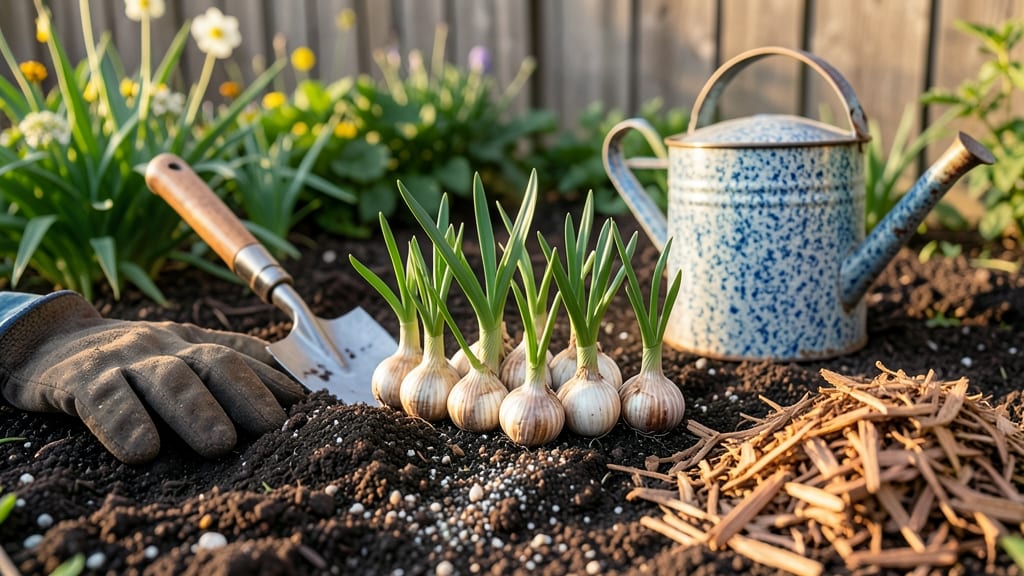
Planting daffodils in Zone 9b isn’t about waiting for frost—it’s about timing them for the coolest months when heat stress fades. Too early, and your bulbs may bake before roots establish; too late, and you risk missing the sweet spot for vibrant spring blooms.
The key? Focus on soil temperatures dropping below 60°F, signaling the perfect window for planting.
Most gardeners in Phoenix or the Southern California desert assume fall means October, but the real magic happens when nights consistently dip into the 50s°F. That’s your cue to get those 🌼 daffodil bulbs in the ground—typically between late October and early December.
This timing ensures roots grow strong before winter’s mild chill, setting the stage for bold blooms in February or March.
Here’s the game-changer: Zone 9b’s lack of frost means you can stretch your planting window slightly, but don’t wait too long. Bulbs planted after mid-December might struggle with the lingering warmth, delaying blooms or reducing vigor.
I’ll show you how to adjust for early or late planting—plus the soil prep tricks that make all the difference in this desert climate.
Ready to skip the guesswork? Let’s dive into the exact steps to plant daffodils in Zone 9b, from soil checks to watering hacks that keep your garden thriving year after year. Your spring color palette starts now.
Optimal planting timeline for Zone 9b daffodils: month-by-month breakdown
In Zone 9b, where winters are mild and summers scorching, daffodils need strategic fall planting to avoid heat stress. Unlike colder zones, you won’t rely on frost triggers—instead, focus on soil temperatures and rainfall patterns.
The ideal window spans November through January, when cooler temps and moisture help bulbs establish roots before summer’s heat arrives.
Planting too early (September) risks premature sprouting, while waiting until February may delay blooms. My golden rule for Zone 9b: Aim for 60°F soil max and consistent moisture—key indicators your bulbs are safe from stress. Let’s break down the month-by-month timeline to ensure your daffodils thrive.
| Month | Soil Temp Goal | Planting Window | Key Conditions |
|---|---|---|---|
| September | 65°F+ (Risky) | Late September (if cool) | Use shade cloth if temps exceed 70°F |
| October | 60–65°F (Ideal) | Best window (early Oct) | Soil moisture from monsoon rains helps |
| November | 55–60°F (Safe) | Primary window | Cooler nights reduce heat stress |
| December | 50–55°F (Optimal) | Last chance (early Dec) | Mulch to retain moisture |
| January | 45–50°F (Late) | Risky (delayed blooms) | Only for heat-tolerant varieties |
October stands out as the sweet spot—cooler temps and monsoon remnants keep soil moist. I’ve planted in early October for years, and my daffodils bloom 2–3 weeks earlier than those planted in December. Pro tip: Test soil temps with a thermometer (bury it 4 inches deep) before digging.
If you miss the November window, don’t panic. Early December still works, but bulbs may skip flowering until the following year. For January plantings, limit choices to heat-tolerant varieties like ‘Tête-à-Tête’ or ‘Ice Follies’. These handle warmer soils better than traditional types.
Rainfall plays a critical role in Zone 9b. After planting, supplement water if rains stall—dry spells can stress bulbs. Aim for 1 inch of water weekly until roots establish (about 6–8 weeks). Mulch with 3 inches of straw to lock in moisture and insulate roots during temperature swings.
Avoid planting in summer or early fall (June–September). The scorching heat (often 100°F+) causes bulbs to roast before they sprout. I once tried planting in August—my bulbs never emerged, a lesson learned the hard way! If you’re late to the game, opt for container planting with shade cloth until temps drop.
For staggered blooms, plant 1/3 of bulbs in October, another 1/3 in November, and the final 1/3 in December. This extends your spring display from February through April.
Just ensure all bulbs get 6+ hours of sun—daffodils thrive in full sun but tolerate partial shade in extreme heat.
Zone 9b’s microclimates add complexity. Coastal areas (like San Diego) stay cooler, while desert zones (Phoenix) heat up faster. Adjust your timeline 1–2 weeks earlier if you’re in a cooler microclimate, or delay by a week in hotter inland spots. Always check local weather forecasts for unusual cold snaps—even Zone 9b can dip below 40°F!
Finally, mark your calendar for next year’s planting using these triggers:
- First 40°F night (not frost, but a chill signal)
- Soil temp drops below 65°F
- Monsoon season ends (typically late September)
These cues ensure you never miss the window again.
Signs your Zone 9b soil is ready for daffodil bulbs (and what to do if it’s not)
Zone 9b’s warm winters mean daffodils need specific soil conditions to thrive. The key is cool soil temperatures (below 60°F) and adequate moisture—without soggy roots. Test your soil by inserting a thermometer 6 inches deep; ideal planting temps hover around 50-60°F.
Look for dry but workable soil—not bone-dry or muddy. If your soil feels too warm (above 65°F), daffodil bulbs may pre-sprout and weaken. This is common in late fall or early winter when daytime temps stay mild.
Check for good drainage by digging a small hole. If water pools after 10 minutes, amend with compost or sand to improve airflow. Daffodils hate soggy roots—even in Zone 9b’s mild climate.
⚠️ Warning: Late Planting Risks
Planting after December in Zone 9b can lead to weak growth or no blooms. Bulbs need 6-8 weeks of cool soil to establish roots before spring warmth triggers sprouting.
If your soil is too warm, use shade cloth (30-50%) to lower temps by 5-10°F or plant in morning sun areas.
For early planting (September-October), mulch with 2-3 inches of straw to protect bulbs from heat spikes. Avoid organic mulches like leaves—they can retain too much moisture and cause rot.
If your soil is too dry, water deeply 24 hours before planting to help bulbs settle. Aim for 1-1.5 inches of moisture in the top 6 inches of soil. Use a moisture meter for accuracy—daffodils need consistent dampness but not saturation.
Pro tip: Plant daffodils in raised beds if your native soil drains poorly. The elevated area warms faster in spring, encouraging earlier blooms—perfect for Zone 9b’s mild winter climate. 🌱