
Plants
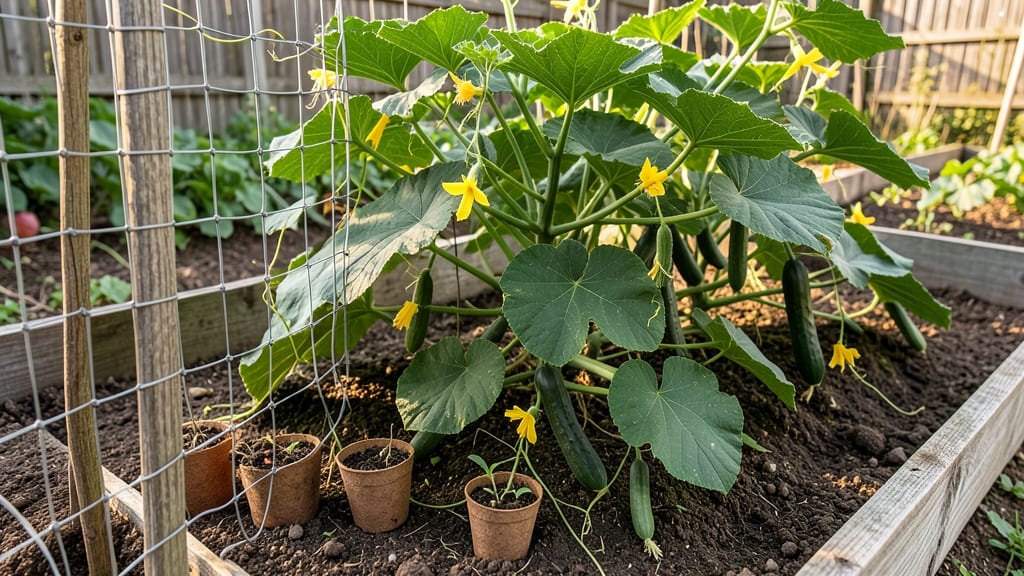
When to plant cucumber seeds in North Carolina isn’t just about the calendar—it’s about dodging frost, racing the heat, and giving those vines the perfect head start. Plant too early in the Mountains, and a late frost will wipe out your seedlings before they even sprout. Wait too long in the Coastal Plain, and you’ll miss the sweet, vine-ripened harvest before summer’s over.
I’ve learned the hard way that North Carolina’s diverse climate means one-size-fits-all advice won’t cut it. Whether you’re in frost-prone Asheville or balmy Wilmington, the right planting window could mean the difference between a bumper crop and empty vines.
Let’s break down the exact dates—and pro tips—to set your cucumbers up for success.
From soil temperatures to last-frost averages, we’ll cover what you need to know before sticking those seeds in the ground. Spoiler: Black plastic mulch and staggered plantings are your secret weapons for extending harvests across the state. Ready to grow like a local?
You’ll walk away with a clear timeline tailored to your county, plus tricks to beat NC’s quirks—like how to handle those unpredictable spring warm-ups. No more guessing games, just cucumbers hitting your plate at peak freshness. Let’s get planting!
North Carolina’s cucumber planting Zones: county-specific dates by last frost
North Carolina’s diverse climate—from the humid Coastal Plain to the cooler Appalachian Mountains—means cucumber planting dates vary dramatically across the state. The key factor? Last frost dates, which shift from March 1 in Zone 8b (e.g., Wilmington) to April 15 in Zone 6a (e.g., Boone).
Soil temperature is equally critical: cucumbers thrive only when soil reaches at least 60°F, a threshold often delayed in higher elevations.
For Coastal NC (Zones 7b-8b), like Craven or New Hanover counties, you can start seeds indoors by February 15 and transplant outdoors by March 15. In contrast, Mountain counties (Zone 6a), such as Haywood or Mitchell, should wait until May 1 to avoid frost damage.
Piedmont regions (Zones 7a-7b), like Mecklenburg or Wake, offer a middle ground with April 1 as the ideal start date.
Use this regional planting guide to align your schedule with North Carolina’s microclimates. Each zone’s frost-free window—ranging from 165 days in the Mountains to 210 days along the Coast—dictates how many harvests you can squeeze into a season.
🌱
North Carolina Cucumber Planting Zones by Last Frost
| Region | USDA Zone | Last Frost Date | Ideal Planting Window | Soil Temp Threshold | Notes |
|---|---|---|---|---|---|
| Coastal Plain | 7b-8b | March 1-15 | March 15 - April 30 | 60°F+ | Humidity-friendly; watch for fungal diseases. |
| Piedmont | 7a-7b | March 15-30 | April 1 - May 15 | 60°F+ | Moderate heat; black plastic mulch speeds soil warming. |
| Mountains | 6a-6b | April 15-30 | May 1 - June 1 | 65°F+ | Shorter season; opt for fast-maturing varieties. |
For Coastal counties, like Brunswick or Carteret, the longer growing season lets you experiment with successive plantings every 2 weeks until June 1.
This strategy extends harvests into October, even in Zone 8b. Meanwhile, Mountain gardeners in Buncombe or Madison should focus on heat-tolerant varieties like 'Southern Sweet 100' to compensate for the shorter window.
Pro tip: Use a soil thermometer to confirm readiness. Cucumbers won’t germinate below 55°F, and seedlings may rot if planted in cold soil. In Zone 7a-7b (Piedmont), aim for April 15 as your cutoff—any later, and you risk powdery mildew from summer humidity.
🌡️
Don’t overlook microclimates within counties. For example, Asheville’s higher elevations may need a 2-week delay compared to nearby Hendersonville. Check local Cooperative Extension Service reports for hyper-local adjustments.
My 2023 garden in Chatham County (Zone 7b) thrived with seeds sown April 1, but a late frost in 2022 wiped out my March 15 planting—proof that flexibility is key.
Plan for two planting batches: one in early spring (Coastal) and one in late spring (Mountains). This ensures a continuous harvest from June through September, regardless of your NC location. Pair this with trellising to save space and improve air circulation, reducing disease risk in humid zones.
☀️
How to adjust planting dates for early vs late varieties in NC’s climate
North Carolina’s diverse microclimates mean your cucumber planting strategy should match your county’s heat tolerance. In Zone 6a (Mountains), opt for heat-tolerant varieties like 'Straight Eight' after May 1, while Zone 8b (Coastal) gardeners can plant 'Lemon Cucumber' as early as March 15.
The key is aligning seedling maturity with your region’s frost-free window.
For extended harvests, use staggered plantings every 2 weeks. In Piedmont counties (Zone 7a), start with cool-season varieties like 'Marketmore' in early April, then follow with heat-resistant types in late May.
This ensures cucumbers ripen before fall frosts hit in November. Row covers can push early plantings back by 2-3 weeks in colder areas like Asheville.
Heat-sensitive varieties like 'Suyo Long' thrive in Coastal NC’s mild winters but struggle in Mountain counties’ cooler springs. For Asheville gardeners, wait until soil hits 65°F (use a soil thermometer) before planting.
In Wilmington, you can start indoor seedlings in February for an earlier harvest. Always check your USDA Zone and microclimate—a 10°F difference can mean 3 weeks earlier planting.
Succession planting is your secret weapon. In Zone 7b (Raleigh), plant 'Boston Pickling' cucumbers in early April, then 'Calypso' (bush type) in late May. This gives you harvests from June to October.
For container growing, use fast-maturing varieties like 'Diva' (50 days) and plant every 3 weeks. Containers heat up faster, so water daily and use lightweight potting mix.
Watch for heat waves—temperatures above 90°F can stunt cucumber growth. In Zone 8b, provide afternoon shade with shade cloth during July-August. Drip irrigation keeps roots cool while delivering consistent moisture. Always harvest frequently to avoid bitter cucumbers caused by overripening in hot weather.
Remember: North Carolina’s climate shifts yearly. Use your local Cooperative Extension office’s frost data as a guide, but adjust by 1-2 weeks based on your yard’s microclimate. A south-facing slope warms faster than a north-facing valley, so plant 1 week earlier in sunny spots.
With these adjustments, you’ll enjoy homegrown cucumbers from June to October—no matter where you garden in NC. 🥒