
Plants
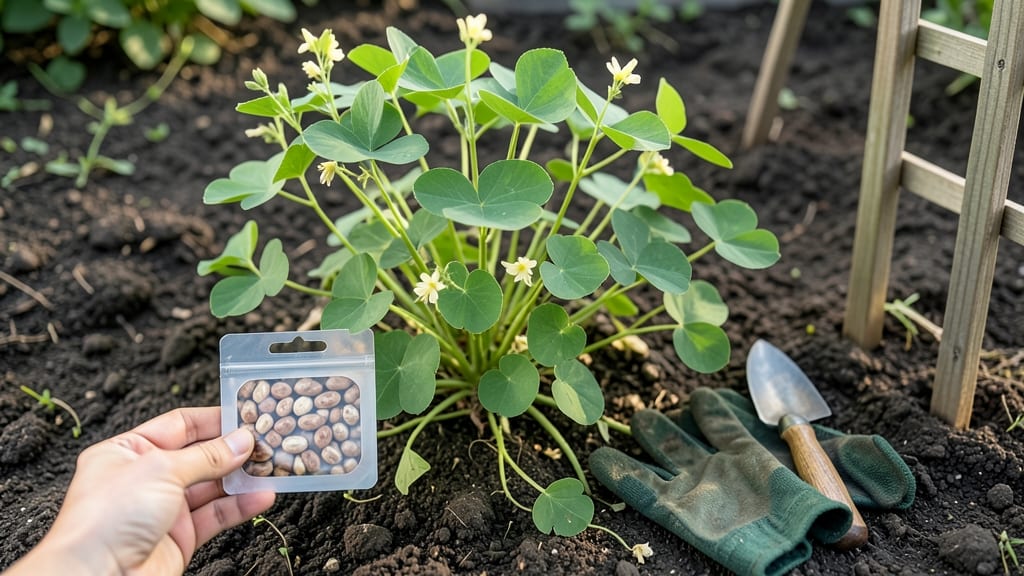
Planting cowpeas in Oklahoma isn’t just about grabbing seeds and sticking them in the ground—it’s about timing your move to beat the heat and outsmart pests before they even show up.
With Oklahoma’s 6a-7b zones and scorching summers, your cowpeas 🌱 need the perfect window to germinate fast and thrive. Miss the mark, and you’ll either fry your plants in early heat or watch them get crushed by late-season bugs.
The good news? There’s a 6-week sweet spot where soil warmth and daylight align perfectly for success.
I’ve grown cowpeas here for years, and the difference between a bumper crop and a bust comes down to two key dates: April 15 for spring plantings and August 1 for summer.
But here’s the catch—your exact timing depends on whether you’re in Southern Oklahoma’s longer growing season or Central Oklahoma’s shorter one.
Let’s break down the exact heat-zone deadlines, soil prep secrets, and the 3 biggest mistakes gardeners make when planting cowpeas. Spoiler: Skipping the soil temperature check is one of them.
Oklahoma’s cowpea planting deadlines by heat zone (with exact dates)
Oklahoma’s USDA hardiness zones 7b, 8a, and 8b create distinct planting windows for cowpeas—miss them, and you risk stunted growth or pest invasions. Unlike cooler crops, cowpeas thrive in heat, but they need warm soil (at least 70°F) to germinate.
In Southern Oklahoma (zone 8b), you’ve got a longer window (April–July), while Central Oklahoma (zone 7b) gardeners should aim for May–June to avoid early frost risks.
First, check your last frost date—most of Oklahoma sees it around March 15, but wait 2 weeks after before planting. For spring cowpeas, the sweet spot is April 15–June 15, giving pods time to mature before first frost (November 1).
Summer plantings (August 1–September 15) work too, but choose heat-tolerant varieties like ‘Purple Hull’ to beat the 100°F+ heat waves.
Here’s the critical rule: Plant when soil temps hit 70°F+—use a soil thermometer to check. Cold soil? Your seeds will rot. Too hot? Germination stalls. Balance is key, especially in Oklahoma’s unpredictable spring rains.
🌱
| Heat Zone | Planting Window | Soil Temp Threshold | Harvest Window | Key Risk |
|---|---|---|---|---|
| 7b (Central OK) | May 1–June 15 | 70°F+ | July–October | Early frost |
| 8a (Southern OK) | April 15–June 30 | 70°F+ | June–November | Pests (aphids) |
| 8b (Southeast OK) | April 1–July 15 | 70°F+ | May–December | Heat stress |
For summer plantings, focus on August–September to avoid the peak heat of July.
Cowpeas mature in 50–90 days, so time it right: A June 15 planting in zone 7b should yield pods by August, while a September 1 planting in zone 8b may still produce into November.
Pro tip: Use mulch to keep soil temps stable and shade cloth if temps hit 95°F+.
Oklahoma’s variable rainfall adds another layer. Plant after heavy rains subside to avoid waterlogged soil, which causes root rot. If drought hits, cowpeas are drought-tolerant once established, but young plants need consistent moisture. Irrigate deeply 2–3 times per week during dry spells.
Don’t overlook pest pressure—Oklahoma’s aphids and cowpea curculio beetles thrive in warm weather. Monitor plants weekly and act fast if you spot yellowing leaves or chewed pods. Neem oil or row covers can help, but prevention starts with healthy, timely planting.
🌿
If you’re new to cowpeas, start with ‘Black-Eyed Pea’ varieties—they’re forgiving and fast-growing. For extended harvests, try ‘Purple Hull’, which handles Oklahoma’s heat better than most.
Just remember: Soil temp > calendar date is your golden rule. Skip the guesswork, grab a soil thermometer, and plant when it hits 70°F.
✂️
5 Critical signs your cowpeas are ready to plant (and 3 mistakes to avoid)
Before you rush to plant your cowpeas 🌱 in Oklahoma, there are 5 key signs that tell you the soil and conditions are perfect. Skipping these checks often leads to slow germination or failed crops.
The first sign? Your soil should feel warm to the touch—think slightly cooler than your hand but not cold.
Use a soil thermometer to confirm temps are above 60°F. Cowpeas need warmth to germinate, and Oklahoma’s spring soil can linger in the 50s°F for weeks after the last frost. Planting too soon in cool soil means seeds may rot instead of sprouting.
Next, check for well-draining soil. Press your finger into the ground—if water pools or the soil feels soggy, your cowpeas will suffocate. Oklahoma’s clay-heavy soils often need compost or sand to improve drainage. A quick fix? Amend the planting area with 2 inches of compost before sowing.
🌱 Critical Signs Your Cowpeas Are Ready to Plant
- Soil temp: 60°F+ (use a thermometer)
- Moisture: Damp but not waterlogged
- Sunlight: 6+ hours of direct sun daily
- Pests: No visible aphids or beetles
- Weather: No rain forecast for 24 hours
Now, let’s talk about the 3 biggest mistakes I’ve seen Oklahoma gardeners make. First, planting after heavy rain without waiting for the soil to dry slightly. Soggy seeds won’t germinate—think of it like trying to bake a cake in a muddy oven.
Always plant when the top 2 inches of soil are dry to the touch.
Second, ignoring pest scouts. Cowpeas attract bean beetles and aphids, which thrive in Oklahoma’s heat. Before planting, inspect nearby plants for signs of these pests—tiny black beetles or sticky residue on leaves. If you spot them, treat the area with neem oil or row covers before sowing.
Finally, planting too deep or too shallow. Cowpea seeds need to be buried just 1 inch deep. Planting deeper delays germination, while shallow planting exposes seeds to drying out. Use a ruler to mark planting depth—consistency is key for even sprouting.