
Plants
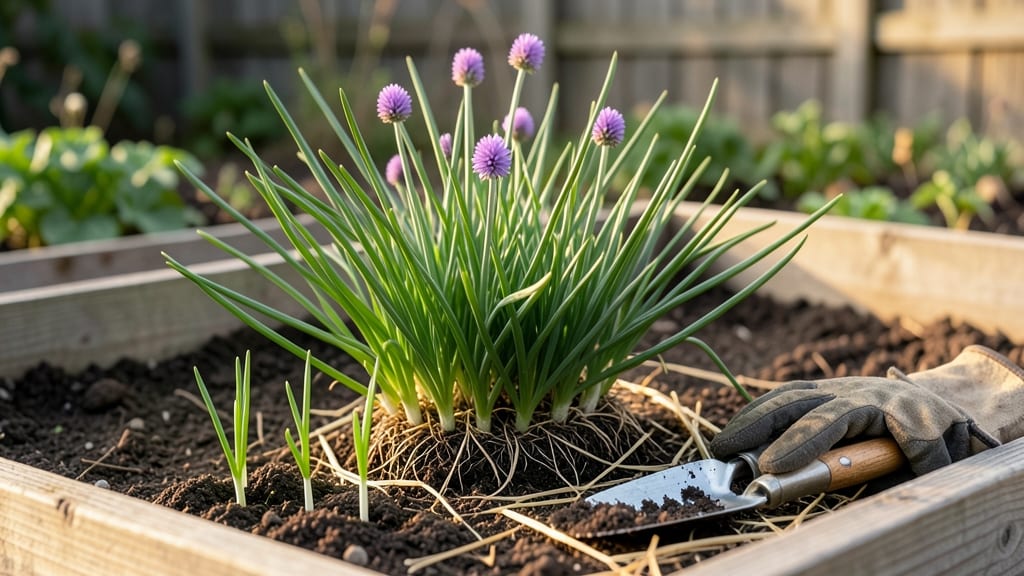
If you’ve ever wondered why your chives in Texas keep struggling to thrive, the answer might be as simple as planting them at the wrong time. The secret to growing hardy, year-round chives 🌿 lies in understanding Texas’s unique frost-free windows and regional microclimates.
Texas gardeners know timing is everything—especially for cold-hardy herbs like chives that need 6-8 weeks to establish roots before winter.
Whether you’re in North Texas’s 7b-8a zone or South Texas’s 9a-11, planting too early or too late can mean the difference between a flourishing herb bed and a sad, wilted disappointment.
In this guide, I’ll break down the exact fall and spring planting windows for your region, plus pro tips for container gardening and protecting chives from Texas heat. By the end, you’ll know exactly when to plant for maximum harvests—no guesswork required.
Ready to turn your chives into a perennial powerhouse? Let’s get started with the perfect timing for your Texas garden.
Best planting times for chives in Texas zones (7-10)
Texas gardeners can grow chives year-round, but the best planting windows depend on your USDA zone and local frost dates. Chives thrive in zones 7-10, with fall planting being ideal for most regions.
Unlike annuals, chives are perennial herbs, meaning they’ll return year after year if planted correctly.
In North Texas (zones 7b-8a), where frost can hit as early as November 15, aim to plant chives 6-8 weeks before the first frost—typically in late August to early October.
This gives roots time to establish before winter. Meanwhile, South Texas (zones 9a-11) gardeners can plant chives almost year-round, though summer heat can stress young plants.
For a continuous harvest, many Texas gardeners use a two-pronged approach: plant once in fall (September-October) and again in early spring (February-March). This ensures fresh chives even during Texas’s hot summer months when other herbs may struggle.
| Texas Region | USDA Zone | Best Planting Window | First Frost Date | Notes |
|---|---|---|---|---|
| North Texas | 7b-8a | Late August - Early October | November 15 - December 15 | Mulch heavily for winter protection. |
| Central Texas | 8a-9a | September - October | December 15 - January 15 | Spring planting works too (Feb-March). |
| South Texas | 9a-11 | Year-round (avoid peak summer) | Rare or none | Use containers for mobility in heat. |
Chives are cold-hardy perennials, meaning they can survive light freezes down to 10°F. However, in North Texas, a heavy frost or prolonged cold snap can damage foliage, so mulching with straw or covering with row fabric is key.
In South Texas, where frost is rare, chives may even bolting (flowering) in response to heat stress, so shade cloth can help maintain leafy growth.
If you’re growing chives in containers, timing matters less because you can move pots to shadier spots during summer or warmer microclimates in winter. Just ensure containers have drainage holes to prevent root rot—a common issue in Texas’s humid summers.
I’ve had great success with 6-inch pots on my balcony, where I can adjust placement based on the season.
For in-ground planting, choose a spot with well-draining soil and 6+ hours of sunlight. Amend heavy clay soil (common in Texas) with compost or sand to improve drainage. Chives prefer slightly acidic to neutral soil (pH 6.0-7.0), so a soil test before planting can save headaches later.
One common mistake Texas gardeners make is planting chives too late in spring. By May or June, the intense heat can shock young plants, leading to bolting or stunted growth.
Instead, focus on fall planting for the strongest start. I’ve seen chives planted in October produce harvestable leaves by February, giving you an early advantage.
Pro tip: Stagger your planting by 2-3 weeks for a continuous harvest. For example, plant one batch in early September and another in mid-October. This ensures you always have fresh chives for cooking, garnishes, or pest control (chives deter aphids!).
Just remember: harvest leaves when they’re 4-6 inches tall for the best flavor.
How to time chive planting for maximum year-round growth in Texas
Chives are one of the most forgiving herbs for Texas gardeners, but timing your plantings strategically ensures continuous harvests even through our brutal summers. The key is staggered planting—think of it like planting a relay race where each batch takes over as the previous one slows down.
In North Texas (Zone 7-8), this means planting in early fall and late winter, while South Texas (Zone 9-11) gardeners can extend this to year-round with shade protection.
For urban gardeners or those with limited space, container planting is a game-changer. Pots allow you to move chives to shadier spots during summer or even bring them indoors during extreme heat.
I’ve had success with 5-gallon fabric pots on my balcony—just ensure they have drainage holes to prevent root rot from Texas’s sudden downpours.
🌿
- 🌱 Fall Planting: Start 8-10 weeks before first frost (Sept-Oct in North TX, Oct-Nov in Central TX). Chives establish roots before winter and rebound fast in spring.
- ☀️ Spring Planting: Wait until 2-3 weeks after last frost (Feb-Mar in North TX, Mar-Apr in South TX). Avoid planting too early—they’ll bolt in heat.
- 🌡️ Summer Protection: Use 50% shade cloth or move containers to morning sun only when temps exceed 95°F.
- 🔄 Succession Planting: Sow new seeds or transplants every 4-6 weeks from spring to fall. This ensures constant harvests.
- 🌧️ Winter Care: In Zone 8+, chives grow year-round. In colder areas, add 2-3 inches of mulch to insulate roots.
One common mistake I see is planting chives too close to other herbs like mint or oregano, which can compete for nutrients and stunt growth. Give them 12-18 inches of space in-ground or 6-8 inches in containers.
I’ve also found that interplanting chives with lettuce or spinach works beautifully—they repel pests naturally while sharing space efficiently.
For South Texas gardeners, the real challenge isn’t frost—it’s heat stress. Chives can handle up to 100°F but prefer morning sun and afternoon shade. I’ve had the best luck with white-washed pots (they reflect heat) and daily watering in peak summer.
Even then, expect slower growth during June-August—just harvest sparingly to avoid shocking the plants.
Finally, don’t overlook chive seeds vs. transplants. Seeds are cheaper and longer-lasting (they’ll regrow yearly), while transplants give you instant harvests in 60-75 days. I recommend starting with transplants in spring for quick results, then switching to seed packets in fall for next year’s crop.
Store leftover seeds in a cool, dry place—they stay viable for 2-3 years.
✂️