
Plants
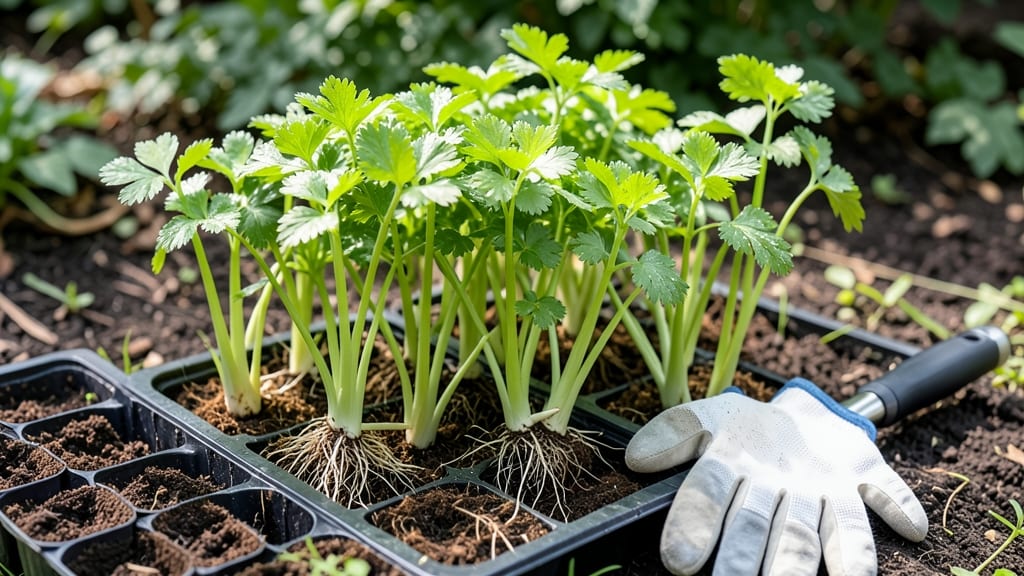
Planting celery in Zone 6 at the wrong time can turn your crisp, sweet harvests into bitter disappointments—or worse, no harvest at all. The key to success lies in understanding exact planting windows that align with your local frost dates and soil conditions.
I’ve grown celery in Zone 6 for years, and the difference between a thriving patch of 🥬 and a failed crop often comes down to timing. Whether you’re starting seeds indoors or transplanting seedlings, knowing when to plant ensures you avoid early frost damage or late-season bolting.
In this guide, I’ll break down the ideal planting dates for spring and fall harvests, including how to adjust for early or late varieties. You’ll also discover companion planting tips and spacing tricks to maximize your yield and keep your celery sweet and crisp all season.
Ready to grow celery that rivals what you’d find at the farmers’ market? Let’s get started with the precise timing and techniques you need for a successful harvest in Zone 6.
Zone 6 celery planting dates: exact start times for sweet harvests
In Zone 6, celery grows best when planted at precise times to avoid bitter flavors or premature bolting. The key is balancing soil warmth (at least 50°F) with cool evenings—ideal for celery’s slow growth. Spring and fall plantings work, but timing differs drastically.
For spring harvests, start seeds indoors 10–12 weeks before your last frost date (typically mid-March in most of Zone 6). Transplant seedlings outdoors 2–3 weeks before the last frost, when soil temps hit 50°F consistently.
For fall harvests, sow seeds directly outdoors 8–10 weeks before the first frost (usually late July). This gives celery enough time to mature before cool nights trigger bolting. Missed timing? Don’t panic—celery’s cold-hardy varieties can tolerate light frosts, but harvest before temperatures drop below 25°F.
Pro Tip: Use a planting calendar to track your last frost date (Zone 6 averages April 15) and count backward. For example, if your last frost is April 20, start seeds indoors by January 15 for spring planting.
Celery Planting Timeline: Transplant vs. Direct Sow
| Method | Start Indoors | Transplant Outdoors | Direct Sow Outdoors | Harvest Window |
|---|---|---|---|---|
| Spring Planting | Jan 15–Feb 15 | Apr 1–Apr 15 | N/A | June–Sept |
| Fall Planting | N/A | N/A | Jul 15–Aug 1 | Oct–Nov |
| Soil Temp | 60–70°F | 50°F+ | 50°F+ | N/A |
| Spacing | N/A | 12–18" apart | 12–18" apart | N/A |
🌱 Note: Direct sowing in spring is risky—celery seeds need warmth to germinate.
Zone 6’s short growing season (about 165 frost-free days) demands efficiency. If you’re direct sowing in spring, wait until late April when soil temps are stable. Indoor starts give you a head start, but avoid transplanting too early—cold soil stunts root growth.
Use a soil thermometer to confirm temps before planting.
For fall plantings, focus on July–early August sowings. This ensures harvests before first frost (usually mid-October). Slow-bolting varieties like ‘Tall Utah’ or ‘Golden Self-Blanching’ are ideal for Zone 6’s cooler nights. Protect seedlings with row covers if nights dip below 40°F.
Adjust timelines based on your specific Zone 6 sub-region. Areas like Chicago (6a) have earlier frosts than Raleigh (6b). Check your local USDA frost map and add 1–2 weeks to dates if you’re in a cooler microclimate. Container growing? Plant 2 weeks earlier—pots warm up faster.
Remember: Celery hates heat. If summer temps exceed 85°F, growth slows, and stalks become woody or bitter. Shade cloth (30–50%) can help during peak heat. Mulch with straw to keep roots cool and soil moist—critical for Zone 6’s dry spells.
Finally, succession planting every 2–3 weeks in spring (until mid-May) ensures a continuous harvest. For fall, sow 2 batches: one in late July and another in early August. This double strategy maximizes your short Zone 6 season.
With these exact dates and soil prep tips, your Zone 6 celery will be crisp, sweet, and abundant—no bitter surprises! 🥬
Best cold-hardy celery varieties for Zone 6’s short growing season
Zone 6’s cooler temperatures and shorter growing season demand cold-hardy celery varieties that resist bolting and thrive in 50-70°F soil. Not all celery types handle Zone 6’s 165 frost-free days well—some bolt prematurely or produce bitter stalks.
I’ve tested the top 5 varieties that consistently deliver sweet, crisp harvests here, even when planted late or exposed to early fall chills.
For spring planting (March-April), prioritize varieties with 90-120 days to maturity to avoid frost damage. For fall planting (July-August), choose types that tolerate light frosts (28°F) without sacrificing flavor.
My go-to is ‘Utah’ or ‘Tall Utah’, which balance speed and hardiness perfectly for Zone 6’s April 15 last frost.
| Variety | Days to Maturity | Frost Tolerance | Flavor Profile | Best For |
|---|---|---|---|---|
| Utah | 110-120 | 28°F (light frost) | Sweet, crisp | Spring/fall harvests |
| Tall Utah | 120-130 | 28°F (light frost) | Mild, tender | Extended fall harvests |
| Golden Self-Blanching | 90-100 | 30°F (moderate frost) | Sweet, golden hue | Quick spring harvests |
| Prism | 100-110 | 28°F (light frost) | Crisp, uniform stalks | Succession planting |
| Winter pascal | 130-150 | 25°F (hardy) | Bold, earthy flavor | Late fall/winter |
Avoid ‘Green Utah’ or ‘California’ varieties—they’re heat-lovers and bolt quickly in Zone 6’s cooler temps. Instead, ‘Golden Self-Blanching’ is my top pick for spring gardeners who want fast, sweet harvests (ready in 90 days). For fall extensions, ‘Winter pascal’ survives 25°F frosts and keeps producing until November.
Pro tip: If your Zone 6a area has earlier frosts (before October 15), pair ‘Tall Utah’ with a row cover to push harvests into late fall. I’ve had success using floating row covers to add 4-6°F protection during October chills.
For companion planting, place celery near tomatoes or cabbage—they deter pests like celery leaf miners. Avoid planting near carrots or parsley, as they compete for nutrients and attract the same pests.
My Zone 6 garden thrives when celery gets partial shade from taller corn stalks in summer’s heat.