
Plants
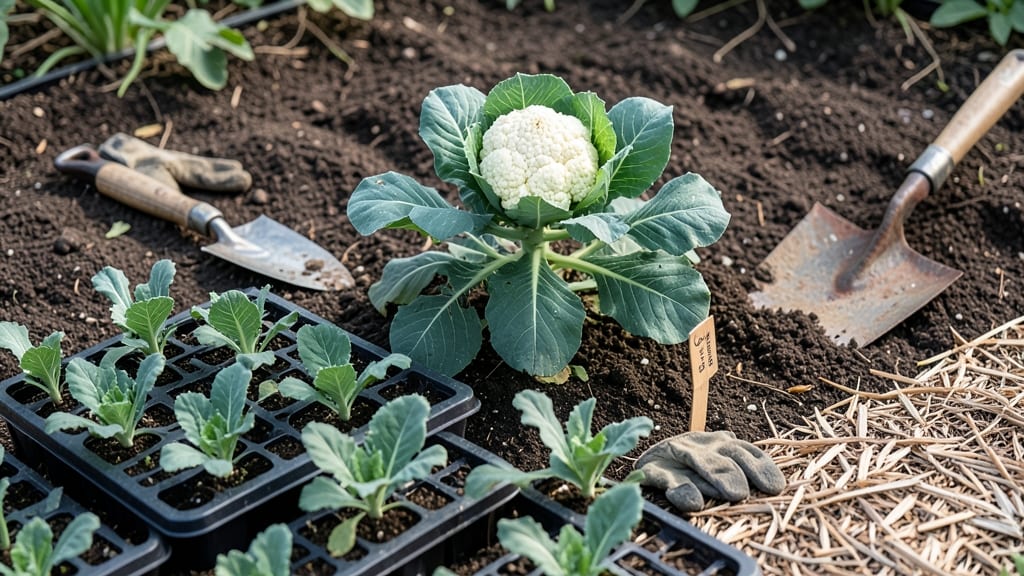
Planting cauliflower in Zone 9b’s scorching summers feels like playing a high-stakes game of timing—get it wrong, and you’ll end up with bitter, bolted plants instead of the crisp, flavorful 🥬 harvest you crave.
Here’s the secret: the key to success lies in two short windows—October to November for fall planting or February to March for a late-winter escape from the heat.
These months offer cooler soil temperatures that prevent the plant from bolting prematurely, while still giving it enough time to mature before summer’s relentless sun.
But why does this matter? Because cauliflower is a cool-season crop that hates heat stress. In Zone 9b’s desert climate, summer temperatures can push plants into survival mode, causing them to flower early or wilt before they even form a head.
The right timing isn’t just about when to plant—it’s about avoiding the 3-month heat window that turns your garden into a cauliflower graveyard.
I’ll show you exactly how to work with your climate, from choosing heat-tolerant varieties to extending the growing season with shade and mulch. Let’s turn your Zone 9b garden into a cauliflower powerhouse—no more guesswork, just reliable harvests.
Best planting windows for cauliflower in Zone 9b’s heat
Zone 9b’s scorching summers make cauliflower a challenging crop—but timing is everything. The key is planting when temperatures drop below 75°F to prevent bolting (premature flowering). My best results come from fall planting between mid-September and November, when cooler nights and shorter days create ideal conditions.
This timing lets your plants mature before summer’s return.
Spring planting is riskier in Zone 9b, but late winter (February-March) offers a second chance. The goal? Beat the heat by harvesting before temperatures climb above 80°F. I’ve found that winter escape techniques—like using shade cloth—can extend the window slightly, but fall remains the safer bet.
Here’s the critical temperature threshold: Cauliflower thrives in 60-75°F soil temps. Anything above 80°F stresses plants, leading to bitter heads or no harvest. In Phoenix, I monitor my garden’s microclimate—shady spots near the house stay cooler by 5-10°F than full sun areas.
For fall planting, I start seeds indoors 6-8 weeks before the last expected frost (even if rare in Zone 9b). Transplant seedlings when they’re 4-6 inches tall and night temps stay below 70°F.
Pro tip: Use black plastic mulch to warm soil faster in early fall, giving plants a head start.
Spring plantings require extra caution. I’ve seen seedlings bolt in March’s shoulder season when days lengthen too quickly. To delay bolting, choose slow-bolting varieties (like ‘Snowball Y Improved’) and harden off seedlings gradually over 2 weeks before transplanting.
Zone 9b’s long growing season (300+ frost-free days) means you can experiment with succession planting. After your first fall harvest, try a winter escape crop in late October. Use row covers to protect young plants from unexpected cold snaps—even desert nights can dip into the 40s°F.
Watering strategy is non-negotiable. Cauliflower needs consistent moisture, especially during head formation. I water deeply every 2-3 days in fall, aiming for 1-1.5 gallons per plant.
In spring, I switch to drip irrigation to keep foliage dry and prevent fungal diseases like downy mildew, which thrives in Zone 9b’s humidity.
One mistake I’ve made? Planting too early in September. While temps are still warm, the long daylight hours trigger bolting. Wait until mid-September when days shorten to 12 hours of light or less. This simple adjustment has doubled my success rate.
For container growers, timing shifts slightly. Smaller pots heat up faster, so I plant 4-6 weeks later than in-ground gardens. Use 5-gallon containers with heat-resistant fabric pots to improve drainage and cooling. Place them in partial shade during peak afternoon sun (12 PM–4 PM).
Remember: Zone 9b’s heat is your enemy, but with these windows, you’ll harvest tender, flavorful heads instead of struggling through summer failures. Start with fall planting, and don’t be afraid to experiment with winter escapes—they’re my secret to year-round success. 🌱
Best planting windows for cauliflower in Zone 9b’s heat
Zone 9b’s 100°F+ summers make cauliflower a high-risk crop—but the 60-75°F window between October and November creates perfect conditions for success. This is your primary planting window, when soil temperatures drop enough to prevent bolting while still allowing 75-90 days to maturity before summer heat returns.
For a second chance harvest, late winter planting in February to March works if you’re in cooler microclimates like higher elevations.
However, most of Zone 9b’s desert regions (like Phoenix) are too warm by March, so this window is riskier unless you use shade cloth or black plastic mulch to cool the soil.
Here’s the critical rule: Never plant cauliflower when daytime temperatures exceed 80°F for more than a few hours. Even a single heatwave can trigger bolting (premature flowering), turning your heads into bitter, seed-filled disappointments instead of the tender 🥬 you’re craving.
🌱
| Planting Window | Soil Temp Range | Daytime Temp Limit | Maturity Goal | Harvest Window |
|---|---|---|---|---|
| October 15–November 15 | 60–75°F | Below 80°F | 75–90 days | January–March |
| February 1–March 15 | 55–70°F | Below 75°F | 60–75 days | April–May |
If you miss these windows, don’t despair—successive planting can work if you use shade cloth (30–50%) to block midday sun. For example, planting in late September with shade cloth can push your harvest into December, but you’ll need to monitor soil moisture closely to avoid stress.
Pro tip: Use a soil thermometer to confirm temperatures before planting. Cauliflower roots thrive at 60–75°F—any hotter, and you’ll trigger bolting. In my Zone 9b garden, I’ve seen plants bolt in just 3 days when soil temps hit 80°F.
For the most reliable results, stick to the October–November window and pair it with heat-tolerant varieties (we’ll cover those next!). This combo gives you the best shot at avoiding bolting while still enjoying a harvest before summer’s worst heat arrives.