
Plants
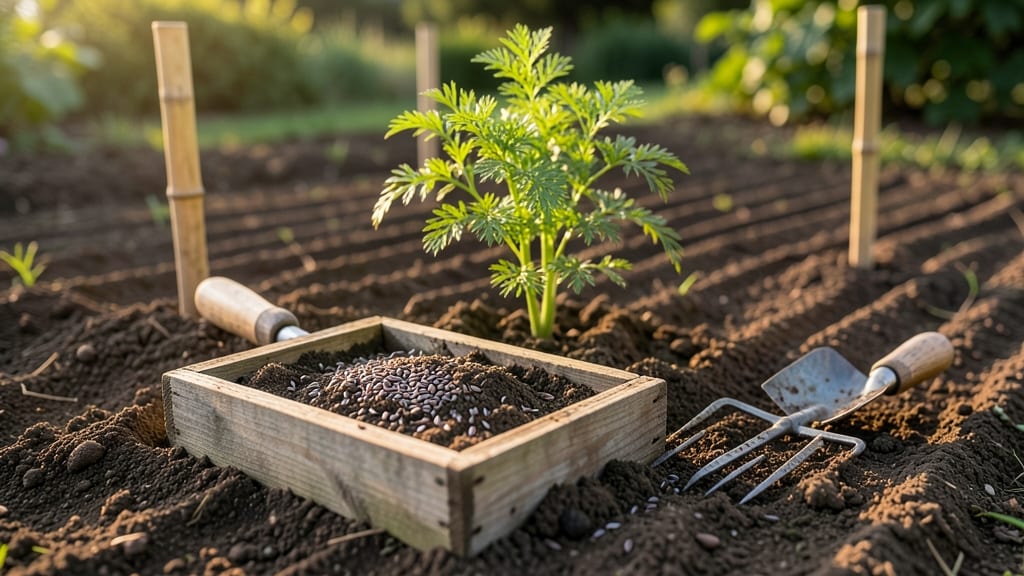
Planting carrots in Pennsylvania at the wrong time can mean the difference between a bumper crop of sweet, crisp 🥕 and a sad, forked mess that never matures.
The key isn't just knowing when—it's understanding how your local microclimate (whether you're near Lake Erie or in the Allegheny Mountains) shifts those perfect windows by weeks.
Most gardeners in USDA zones 5b-7a reach for their seed packets in early spring, but rushing too soon can trigger bolting from cold soil, while waiting too late risks frost-nipped greens. The solution?
A two-season strategy—spring plantings from March 15 to April 30 and fall sowings from September 1 to October 15—that accounts for Pennsylvania's unpredictable frost dates and regional heat spikes.
Here’s the game-changer: Urban gardens in Philadelphia may need to start 2 weeks earlier than rural farms in the Poconos, thanks to heat-island effects.
We’ll break down exactly how to adjust your timing based on your ZIP code, plus succession planting tricks to keep your harvest table stocked from June through November.
Ready to ditch the guesswork? Let’s map out the ideal planting calendar for your corner of Pennsylvania—so you can enjoy homegrown carrots that outshine the grocery store every time.
Pennsylvania carrot planting dates by microclimate zone: a region-by-region guide
Pennsylvania’s varied geography—from the Great Lakes shoreline to the Appalachian foothills—creates five distinct microclimates for carrot growing. Each zone has unique last frost dates and soil warming patterns, meaning a one-size-fits-all approach fails.
For example, Erie’s USDA Zone 6a can plant 3 weeks earlier than Philadelphia’s Zone 7a. Understanding these differences prevents bolting and maximizes your harvest.
Carrots thrive when soil temperatures reach 55°F (13°C), but Pennsylvania’s spring warming varies wildly. In the Allegheny Plateau, cold air pools in valleys, delaying planting by 10-14 days compared to the Piedmont region.
Meanwhile, the Southeast often sees earlier soil thaw due to milder winters. Let’s break down the ideal planting windows for each zone, including succession planting strategies to extend your harvest.
🌱
For succession planting, aim to sow new seeds every 2-3 weeks after your initial planting date. This ensures a continuous harvest from June through October. In the Piedmont and Southeast zones, you can even stagger plantings into early May for a late-summer crop.
Just remember: carrots need consistent soil moisture to grow straight—drought stress causes forking.
If you’re in a marginal zone like the Allegheny Plateau, consider cold frames or cloches to extend your season. These can push your first planting date back by 2-3 weeks and protect seedlings from late frosts.
For fall plantings, aim to have carrots 60-70 days old before the first frost—typically by mid-October in most zones.
Pro tip: Use a soil thermometer to confirm readiness. Carrot seeds won’t germinate below 55°F (13°C), and waiting for warmer soil prevents bolting later. In cooler zones like Erie, black plastic mulch can raise soil temps by 5-10°F, giving you an earlier start.
🌿
One common mistake is planting too early in Zone 6a areas. Young seedlings can rot in cold, wet soil, and even if they survive
How to adjust carrot planting for Pennsylvania’s unpredictable weather patterns
Pennsylvania’s weather is famously fickle—one day brings late frosts that linger into May, while the next delivers sudden heatwaves that scorch seedlings. Carrots, with their delicate germination needs and sensitivity to temperature swings, demand flexibility.
The key is adapting your planting strategy to protect your crop from Mother Nature’s whims while extending the growing season by 4-6 weeks in marginal zones.
First, focus on soil temperature, not air temperature. Carrot seeds need soil that’s at least 50°F (10°C) to germinate—colder soils will leave you waiting weeks for sprouts. Use a soil thermometer to check daily, especially in cooler microclimates like the Allegheny Plateau.
If temperatures hover below your threshold, try black plastic mulch or straw bales to warm the soil by 5-10°F faster. This simple hack can shave 2-3 weeks off your waiting game.
🔹 5 Proactive Strategies for Pennsylvania’s Unpredictable Weather
- 🌡️ Soil Warming: Use black plastic mulch or straw to raise soil temps by 5-10°F for faster germination.
- 🛡️ Frost Protection: Deploy row covers or floating row tunnels to extend spring planting by 3-4 weeks.
- 🌱 Cold-Hardy Varieties: Choose ‘Paris Market’ or ‘Nantes’ for 40-50°F soil tolerance.
- 💧 Shallow Watering: Water early morning to prevent fungal diseases during sudden heatwaves.
- 📅 Succession Planting: Sow seeds every 2 weeks from April to July for continuous harvests.
For late frosts, which can still hit Pennsylvania as late as May 15 in some regions, opt for row covers or low tunnels. These lightweight fabrics raise temperatures by 5-8°F and protect young seedlings from 28°F (–2°C) frosts.
Remove covers during the day to prevent overheating, but leave them in place for nighttime insulation. If you’re planting in June or July, watch for bolting—carrots will flower prematurely if days get too long or hot.
Shade cloth (30-50%) can lower soil temps by 10°F and delay bolting by 2-3 weeks.
Sudden droughts are another Pennsylvania wildcard. Carrots need consistent moisture to grow straight and sweet, but they hate soggy soil. During dry spells, water deeply in the morning to encourage deep root growth, then mulch with straw or grass clippings to retain moisture.
Avoid overhead watering, which can spread fungal diseases like leaf blight during humid periods. If rainfall is scarce, consider drip irrigation—it delivers water directly to roots while keeping foliage dry.
⚠️ Weather Pitfalls to Avoid
- ❌ Planting too early: Seeds rot in cold, wet soil (below 50°F).
- ❌ Skipping mulch: Bare soil loses moisture 3x faster in heatwaves.
- ❌ Overhead watering: Leads to fungal diseases in humid conditions.
- ❌ Ignoring bolting signs: Tall, skinny plants = bitter, inedible roots.
To maximize your harvest, embrace succession planting. Instead of one big planting in spring, sow small batches every 2 weeks from April to July. This ensures a steady supply of fresh carrots while reducing the risk of losing your entire crop to one bad weather event.
For fall plantings, aim for September 1—this gives carrots 80-90 days to mature before the first frost. Use cold-hardy varieties like ‘Danvers’ or ‘Chantenay’ to push your harvest window into November in most of Pennsylvania.
Finally, keep an eye on your local forecast and adjust as needed. Pennsylvania’s microclimates can vary dramatically even within a 50-mile radius, so trust your own observations over generic planting charts.
With these strategies, you’ll turn Pennsylvania’s unpredictable weather into an advantage—producing crisp, sweet carrots from spring to fall, no matter what Mother Nature throws your way. 🌱