
Plants
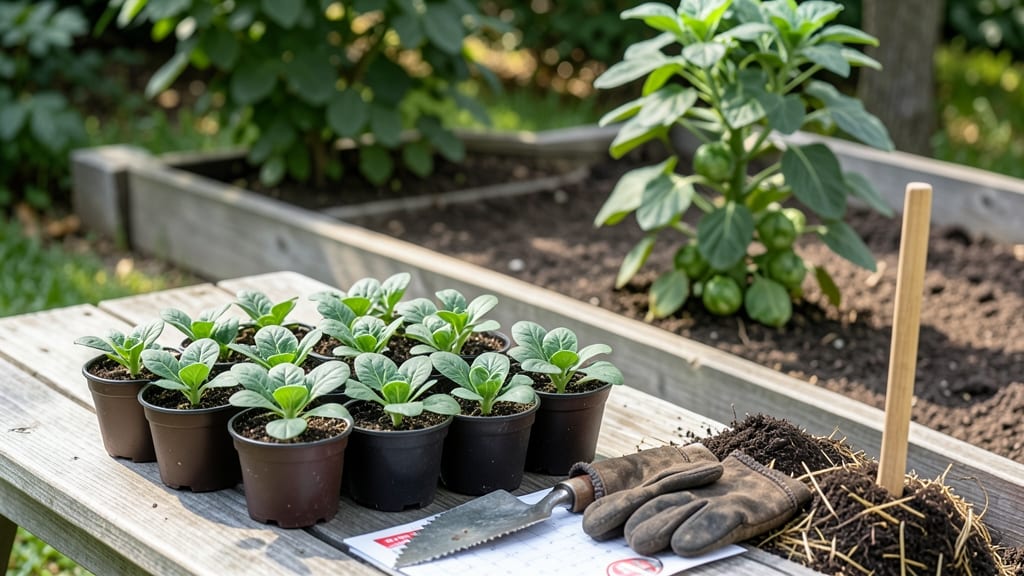
Planting Brussel sprouts 🌱 at the wrong time in Indiana can mean the difference between a bumper crop and a disappointing harvest. These cool-weather lovers need precise timing to thrive in your USDA Zone 6a climate, where frost dates shift each year.
Most gardeners make one of two mistakes: planting too early when soil temperatures are still chilly, or waiting too long and risking bolting before harvest. The ideal window opens when daytime highs consistently reach 50°F—typically mid-April—but there's more to it than just the calendar.
In this guide, I'll walk you through the exact frost-free timeline for both spring and fall planting, including soil temperature thresholds and how to adjust for Indiana's variable weather patterns.
You'll learn when to start seeds indoors versus transplanting young plants, and how to stretch your harvest window for maximum yield.
Whether you're a first-time grower or a seasoned gardener looking to refine your technique, these insights will help you time your planting perfectly—so you can enjoy homegrown Brussels from summer through fall without the guesswork.
Optimal planting windows for Brussel sprouts in Indiana (USDA Zone 6a)
Indiana’s USDA Zone 6a climate gives you two prime windows to plant Brussel sprouts: early spring and late summer. These cool-season crops need 40°F–85°F soil temperatures to thrive, so timing matters. Plant too early, and frost will kill seedlings; too late, and your harvest suffers from heat stress.
For spring planting, aim for April 1–May 15 after the last frost date. Most Indiana regions experience their final frost around April 15, so wait until soil warms to at least 50°F. This gives sprouts 90–120 days to mature before winter sets in.
Fall planting is equally critical—sow seeds July 15–August 15 for a harvest before hard frosts in October–November. Fall crops often taste sweeter because cooler temps boost flavor. Just ensure seedlings establish roots before first frost (usually October 30–November 15).
🌱 Planting Timeline for Indiana (USDA Zone 6a)
| Season | Planting Window | Soil Temp | Days to Harvest | Key Notes |
|---|---|---|---|---|
| Spring | April 1–May 15 | 50°F+ | 90–120 | After last frost; mulch for heat |
| Fall | July 15–August 15 | 60°F+ | 80–100 | Harvest before first frost; sweeter flavor |
Direct sowing is best for Brussel sprouts because transplants struggle with root shock. Plant seeds ½ inch deep, spacing them 18–24 inches apart in rows 3 feet apart. This spacing prevents overcrowding and improves air circulation, reducing disease risks like downy mildew.
If you prefer transplants, buy 6-week-old seedlings from nurseries and harden them off for 7–10 days before transplanting. Avoid planting when daytime temps exceed 85°F, as heat stress stunts growth. Use shade cloth if summer planting extends into August.
For container gardening, choose dwarf varieties like ‘Long Island Improved’ and plant in 12-inch-deep pots. Containers warm up faster, so monitor soil temps closely. In Indiana’s hot summers, containers may need daily watering to prevent wilting.
Pro tip: Test your soil’s pH (6.0–7.0) before planting. Brussel sprouts thrive in slightly acidic to neutral soil. Amend with compost or aged manure to boost organic matter, which improves drainage and nutrient retention.
Missed the spring window? Don’t panic—fall planting still yields high-quality sprouts. Just ensure seedlings have 4–6 weeks to mature before first frost. Use row covers in late summer to extend the growing season if needed.
Remember: Consistent moisture is key. Brussel sprouts need 1–2 inches of water weekly, especially during bolting stages (when buds form). Mulch with straw to retain moisture and suppress weeds.
Optimal planting windows for Brussel sprouts in Indiana (USDA Zone 6a)
Indiana's USDA Zone 6a climate gives you two prime windows to plant Brussel sprouts: early spring and late summer. The key is avoiding both frost and extreme heat—your plants need soil temperatures between 40°F and 85°F to thrive.
For spring planting, aim for mid-April to early May, while fall planting should happen between mid-August and late September to ensure harvest before the first frost.
Direct sowing is ideal for spring, but fall plantings often benefit from transplants (start seeds indoors 6-8 weeks before your last frost date). The last average frost date in Indiana typically falls between April 15 and May 15, so plan accordingly.
Remember: Brussel sprouts are cool-season crops—they'll bolt if exposed to summer's 90°F+ heat.
Here's your frost-free planting timeline for maximum success in Indiana:
| Planting Window | Soil Temp | Days to Harvest | Indiana Timeline |
|---|---|---|---|
| Early Spring (Direct Sow) | 45°F–60°F | 90–100 days | Mid-April to May 1 |
| Late Summer (Transplant) | 50°F–70°F | 75–85 days | Mid-August to Sept 15 |
| Fall (Direct Sow) | 40°F–65°F | 60–75 days | Late July to Aug 10 |
For both spring and fall plantings, test your soil temperature before sowing—use a soil thermometer to confirm it meets the ideal range. In Indiana's variable climate, urban areas may heat up faster than rural zones, so adjust your timeline accordingly.
If you're unsure about your last frost date, check the Indiana State Climate Office or use local gardening forums for real-time updates.
Pro tip: Stagger your plantings by 2–3 weeks to extend your harvest window. For example, sow half your seeds in early April and the other half in mid-April. This ensures a continuous supply of fresh sprouts from late summer through fall.
Just be sure to space them properly—18–24 inches apart in rows 3 feet apart—to give plants room to grow.
One common mistake in Indiana is planting too early when soil is still cold. Brussel sprouts won't germinate well below 40°F, and soggy, cold soil can lead to rot.
Wait until the ground warms to at least 45°F before sowing seeds directly. If you're transplanting, harden off seedlings gradually to avoid shock from Indiana's unpredictable spring weather.
With the right timing, you'll enjoy homegrown Brussels from September through November—just in time for holiday meals! 🌱