
Plants
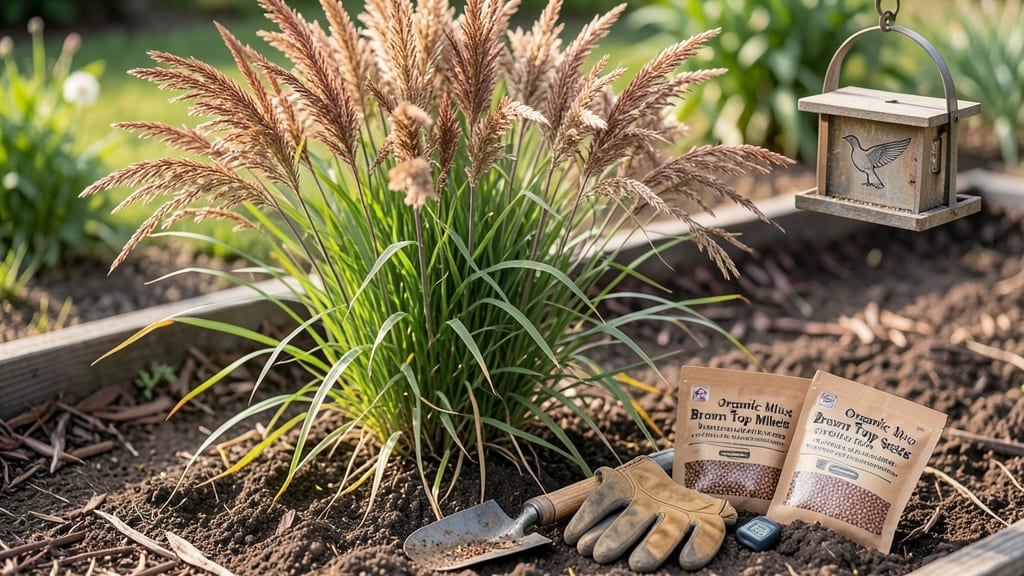
Planting Brown Top Millet 🌾 at the wrong time in Mississippi can mean the difference between a bustling dove hunting season and a quiet food plot.
The key to attracting doves isn’t just about planting—it’s about planting right, when soil temperatures hit that sweet spot of 60°F and the last frost has long since faded.
Mississippi’s USDA Zone 8a climate gives you a narrow window to get it perfect, typically between late April and early May. But timing isn’t just about the calendar—it’s about matching millet’s growth stages to dove behavior, so you’re offering peak forage when doves are most active.
I’ve worked with local wildlife experts to break down the exact dates that work best, including adjustments for Mississippi’s unpredictable spring rains or summer heat waves. Whether you’re a seasoned hunter or new to food plots, these insights will help you create a dove magnet that outperforms the neighbors.
Let’s dive into the precise planting schedule, soil prep secrets, and post-planting care that turns your field into a dove haven—without wasting a single seed.
Best planting dates for brown top millet in Mississippi’s climate zones
Mississippi’s USDA Zone 8a climate creates two distinct planting windows for Brown Top Millet—one for spring planting and another for summer succession. The goal? Align millet growth with dove migration patterns, ensuring peak forage when doves are most active from August through October.
For spring planting, aim for late April to early May once soil temperatures consistently hit 60°F and the last frost has passed. This timing ensures millet reaches 3-4 inches tall by late June, when doves begin scouting for food.
If you miss this window, don’t panic—summer succession plantings in late June still deliver late-season forage.
Here’s the critical detail: Mississippi’s Northern regions (like Tunica or Grenada) may need to wait until mid-May due to cooler springs, while Southern areas (such as Biloxi or Hattiesburg) can plant as early as early April if frost risks are minimal.
Always check your local Mississippi State University Extension frost-free date maps to fine-tune your schedule.
🌾 Pro Tip: Use a soil thermometer to confirm 60°F+ soil temps before planting. Cold soil delays germination, and millet won’t tolerate replanting once established.
| Planting Window | Ideal Soil Temp | Dove Forage Stage | Mississippi Region | Key Adjustment |
|---|---|---|---|---|
| Late April - Early May | 60°F+ | 3-4" tall (June) | Southern MS (Biloxi, Hattiesburg) | Plant early if frost risk <10% |
| Mid-May | 60°F+ | 3-4" tall (July) | Northern MS (Tunica, Grenada) | Wait for consistent warmth |
| Late June (Succession) | 65°F+ | 6-8" tall (Sept-Oct) | All regions | Extend late-season forage |
Mississippi’s humid summers can trick growers into thinking millet needs constant watering, but the truth is simpler: Brown Top Millet thrives on neglect once established. After planting, focus on keeping the soil moist but not soggy for the first 2-3 weeks.
Once seedlings hit 2 inches tall, reduce watering to every 7-10 days unless you’re in a drought.
💧 Warning: Overwatering in Mississippi’s heat leads to fungal diseases like mildew, which can devastate your plot. Aim for deep waterings in the morning to encourage strong root growth and deter pests.
For soil prep, Mississippi’s clay-heavy soils often need amending with compost or sand to improve drainage. Test your soil’s pH (6.0-7.0 ideal) and add lime if needed. Skipping this step in Mississippi’s acidic soils can stunt millet growth, leaving your plot sparse and unappealing to doves.
🌱 Mississippi-Specific Hack: Mix 1 cup of 10-10-10 fertilizer into the top 6 inches of soil at planting. This gives millet a growth boost without overloading it, especially critical in Mississippi’s nutrient-poor clay soils.
Finally, seed depth matters. Plant Brown Top Millet at ¼ inch deep and 10 seeds per foot in rows 18 inches apart. Mississippi’s hot, humid summers can cause seeds to dry out quickly, so lightly cover them with straw mulch to retain moisture until germination.
Best planting dates for brown top millet in Mississippi’s climate zones
Mississippi’s USDA Zone 8a climate creates two distinct planting windows for Brown Top Millet—one for spring and another for summer—each with unique challenges. The primary window runs from mid-April to early May, when soil temperatures consistently hit 60°F or warmer.
This timing ensures germination before summer heat arrives, while avoiding late spring frosts that can devastate young seedlings.
For northern Mississippi (e.g., Tupelo, Oxford), aim for April 20–May 5, as these areas experience later last frosts (March 20–April 5). In southern Mississippi (e.g., Biloxi, Hattiesburg), you can push planting to May 1–15, thanks to earlier frost-free dates (March 5–15).
| Region | Primary Planting Window | Soil Temp Requirement | Last Frost Date |
|---|---|---|---|
| Northern MS (Tupelo, Oxford) | April 20–May 5 | ≥60°F | March 20–April 5 |
| Southern MS (Biloxi, Hattiesburg) | May 1–15 | ≥60°F | March 5–15 |
| Delta Region (Greenville, Cleveland) | April 25–May 10 | ≥62°F | March 10–20 |
If you miss the spring window, don’t panic—a secondary planting in late July to early August can still produce forage for late-season doves. However, this requires extra watering to combat summer heat, and you’ll need to adjust expectations for mature seed production, which may be limited.
Mississippi State University’s Extension Service recommends testing soil pH (6.0–7.0) and adding phosphorus-rich fertilizer (e.g., 10-20-10) 2–3 weeks before planting. This preps the soil for rapid germination, a critical factor in Mississippi’s humid climate, where fungal diseases thrive in damp conditions.
Pro tip: Use a soil thermometer to confirm temperatures—60°F is non-negotiable for germination. If your soil runs cooler, wait or use black plastic mulch to warm it faster. Timing isn’t just about dates; it’s about microclimate conditions that make or break your plot.
For hunters, align your planting with dove migration patterns. Spring-planted millet will hit 3–4 inches (early forage) by late June, just as doves arrive for breeding.
Summer plantings, meanwhile, target late-season hunters when food is scarce. Plan ahead, and you’ll have doves flocking to your field all season long. 🌾