
Plants
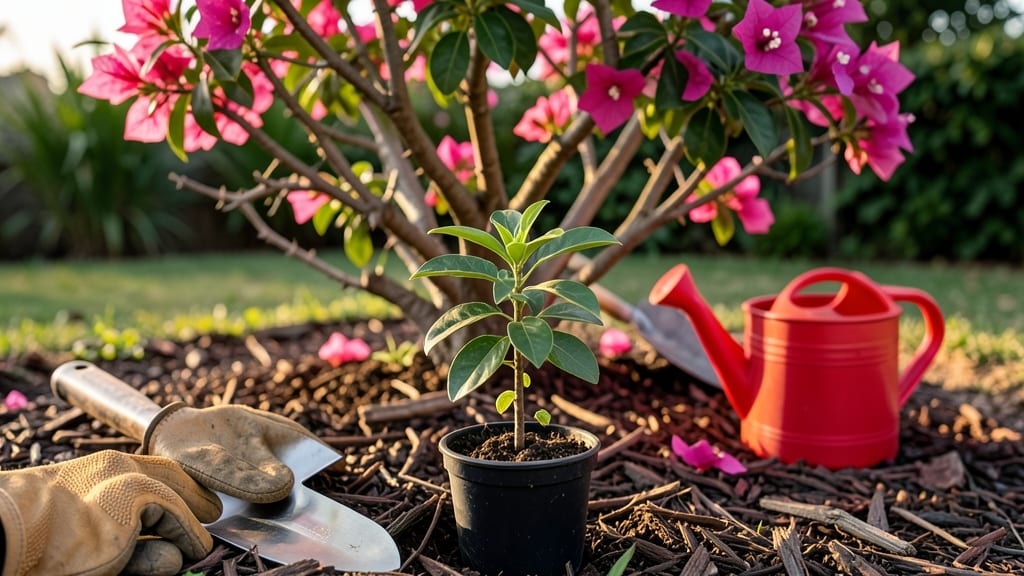
Planting bougainvillea 🌺 in Texas isn’t just about throwing a vine into the ground and hoping for the best—it’s about timing it right to outsmart the state’s brutal summers and sneaky cold snaps.
Whether you’re in frost-prone North Texas or balmy South Texas, getting those roots in the ground at the wrong time could mean wilted dreams before the blooms even appear.
Most Texas gardeners swear by spring planting, but the truth is more nuanced. In cooler zones like 8a, you’ll want to wait until after the last frost—usually February or March—while warmer areas like 9b-10b can plant year-round. The key? Soil temperature and humidity levels, not just the calendar.
I’ve seen bougainvillea thrive in Texas gardens when planted at the right moment, but I’ve also watched them struggle when rushed. The difference? Understanding your region’s microclimate and preparing the soil for drought-resistant growth.
Let’s break down the exact windows—and pro tips—to ensure your bougainvillea takes root and bursts into color all season long.
From container gardening in urban heat islands to in-ground planting in rural landscapes, we’ll cover everything you need to know. Ready to turn your Texas yard into a blooming paradise? Let’s get started.
Texas heat zones: best planting months by region for bougainvillea success
Timing your bougainvillea planting in Texas isn’t one-size-fits-all—it depends on whether you’re in North Texas (USDA zones 8a-8b), Central Texas (9a-9b), or South Texas (10a-10b). Each region has unique last frost dates and summer heat intensity that dictate the perfect window for planting these drought-loving vines.
In North Texas, where winters can dip below freezing, aim to plant bougainvillea after the average last frost date—typically around mid-February to early March. This gives young roots time to establish before summer’s brutal heat arrives.
Meanwhile, South Texas gardeners enjoy frost-free winters, allowing them to plant year-round, though early spring (February-March) still yields the best results.
Central Texas falls in between, with USDA Zone 9 offering flexibility. Here, you can plant as early as January or stretch into April—just avoid planting during peak summer heat (May-July), when soil temperatures often exceed 90°F, stressing young plants.
For container-grown bougainvillea, timing is less critical since you can move pots to sheltered areas during cold snaps. However, even potted plants thrive best when planted in early spring or fall to align with natural growth cycles.
🌺
| Region | USDA Zone | Best Planting Window | Last Frost Date | Key Consideration |
|---|---|---|---|---|
| North Texas | 8a-8b | Mid-February to Early March | February 15 | Avoid winter cold snaps; mulch heavily. |
| Central Texas | 9a-9b | January to April | December 15 | Monitor soil temps; avoid peak summer heat. |
| South Texas | 10a-10b | Year-round (best in Feb-Apr) | None (frost-free) | No frost risk; prioritize well-draining soil. |
If you’re in Zone 8a (like Dallas-Fort Worth), wait until soil temperatures consistently reach 60°F—usually by late February—to plant. Use a soil thermometer to check, as cold soil can stunt root growth.
In contrast, South Texas gardeners in Zone 10b (e.g., Brownsville) can plant bougainvillea in December or even November, but aim for early spring to maximize blooms.
For urban gardeners in Austin or San Antonio, consider container planting to extend your planting window. Pots warm up faster in spring, allowing you to start 2-3 weeks earlier than in-ground plantings. Just ensure containers have drainage holes and use a lightweight potting mix to prevent root rot.
One common mistake is planting bougainvillea too early in North Texas—only to see young plants damaged by a late frost. Always check your local Cooperative Extension Service for updated frost dates.
For example, Lubbock (Zone 8a) averages its last frost on March 1, while Houston (Zone 9a) rarely sees frost after January 15.
🌡️
Pro tip: If you’re unsure about your last frost date, use heat mats or row covers to protect newly planted bougainvillea during unexpected cold snaps. These tools buy you extra time to establish roots before Texas’s summer heat kicks in.
For South Texas, focus instead on shade cloth during the hottest months to prevent heat stress in young plants.
Finally, remember that bougainvillea is a tropical plant at heart—it thrives on heat and sun. Planting in early spring ensures your vines get a head start before summer’s intense 100°F+ days, setting the stage for vibrant blooms from May through October.
Signs your Texas soil and climate are ready for bougainvillea planting
Bougainvillea thrives in Texas’s heat, but timing your planting depends on more than just the calendar. The soil temperature must reach at least 60°F—any cooler, and root growth stalls.
Check this by pressing your hand 2 inches deep into the soil; if it feels warm but not hot, it’s ready. South Texas gardeners can plant year-round, but North Texas should wait until mid-March to avoid frost risks.
Another key sign is humidity levels. Bougainvillea hates soggy roots, so well-draining soil is non-negotiable.
If your area experiences heavy summer rains, amend clay soil with compost or sand to improve drainage. Test your soil’s moisture retention by digging a small hole—if water pools after 30 minutes, you’re not ready yet.
Watch for local microclimates too. Urban areas like Houston or Dallas stay warmer than rural spots, so adjust your timing accordingly. Container-grown bougainvillea can be planted slightly earlier since pots warm up faster in the sun. Always harden off nursery plants for 3–5 days before transplanting to reduce shock.
Finally, bloom readiness signals your bougainvillea’s health. Look for vibrant green leaves and new growth—these mean your plant is adapting well. If you see yellowing or curled leaves, it’s stressed from heat or poor drainage. Adjust your site or watering schedule before planting.
For container planting, ensure your pots have drainage holes and use a cactus/succulent mix for optimal growth. Urban gardeners can plant as early as February in Zone 9b+, but North Texas (Zone 8a) should wait until after April 15 to avoid frost damage.
Pro tip: Mulch heavily after planting to retain moisture and regulate soil temps. Use gravel or bark mulch—they improve drainage while keeping roots cool. Water deeply once planted, then let the soil dry slightly before watering again to encourage strong root development.