
Plants
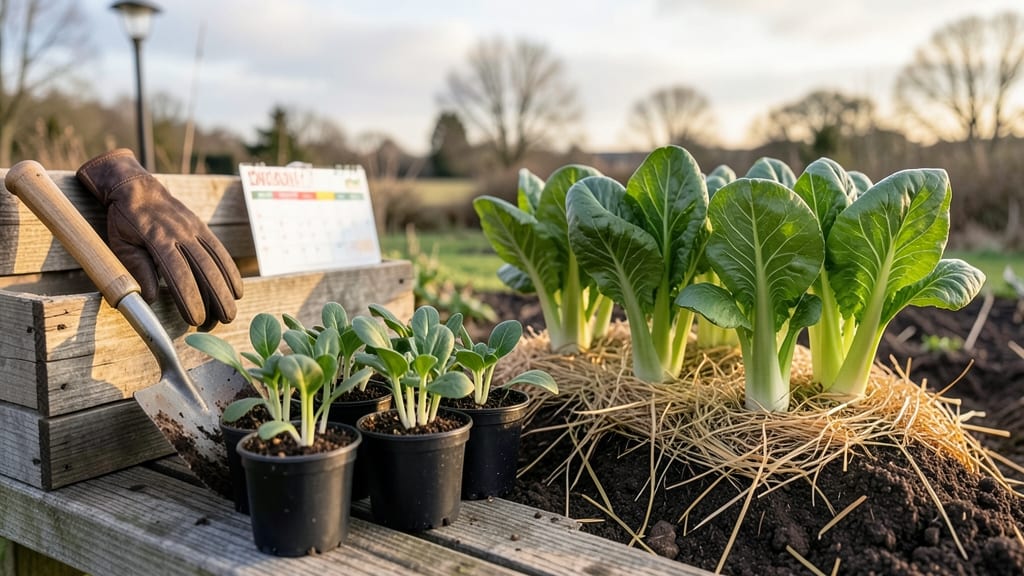
Planting bok choy 🥬 at the wrong time in Zone 9 can turn your crisp, tender harvests into bitter disappointment—here’s the exact window to lock in fast, flavorful growth.
In Zone 9’s mild winters, bok choy thrives when temperatures dip below 75°F, making fall the best time to start. Whether you’re growing baby bok choy or full-size varieties, timing is everything to avoid bolting or slow growth.
I’ll show you the fastest planting schedule for Zone 9, including how to stretch your harvest through winter with succession planting. No more guesswork—just crisp, ready-to-eat bok choy in 30-60 days.
From soil prep to protecting your crop from late-season pests, these tips ensure your bok choy stays sweet and productive—no matter how warm your Zone 9 winters get.
Best fall planting dates for bok choy in Zone 9
Zone 9’s warm winters make bok choy a perfect cool-season crop, but timing is everything. Plant too early, and heat stress kicks in; too late, and you miss the sweet spot for harvest before spring.
The ideal window is 4–6 weeks before your first frost—though Zone 9 rarely freezes, we’ll use mid-October as a practical benchmark for cooler temperatures. For baby bok choy, aim for a 30–45 day harvest, while full-size varieties need 50–60 days to mature.
Soil temperature is your best guide: bok choy thrives when soil stays between 50–70°F. In Zone 9, this typically aligns with October through February. Start seeds indoors 2–3 weeks before transplanting to give them a head start, or sow directly into well-draining, fertile soil enriched with compost.
Avoid planting in summer heat, as temperatures above 80°F trigger bolting (flowering) and bitter leaves.
Here’s the comparison-table for your planting strategy, broken down by variety and season:
| Variety | Best Planting Window | Soil Temp Threshold | Days to Harvest | Notes |
|---|---|---|---|---|
| Baby Bok Choy (e.g., 'Toy Choy') | Late September–October | 50–65°F | 30–45 days | Harvest leaves before stems thicken. |
| Standard Bok Choy (e.g., 'Joi Choi') | October–November | 55–68°F | 45–60 days | Full heads form in cooler weather. |
| Winter Bok Choy (e.g., 'Nagaoka') | November–December | 50–60°F | 50–70 days | Cold-hardy; tolerates light frost. |
| Succession Planting | Every 2–3 weeks (Oct–Feb) | 50–70°F | 30–60 days | Extend harvests with staggered sowings. |
For direct sowing, scatter seeds ½ inch deep and 1 inch apart in rows spaced 12–18 inches apart. Thin seedlings to 4–6 inches apart once they’re 2 inches tall to prevent competition. If starting indoors, use biodegradable pots to avoid transplant shock when moving to the garden.
Bok choy grows best in loamy, slightly acidic soil (pH 6.0–7.0), so amend heavy clay with compost or sand.
Zone 9’s mild winters mean you can push bok choy later than northern gardeners. Try a December planting for a January–February harvest, just as spring veggies start to emerge. Use row covers or cold frames to protect young plants from unexpected chilly snaps.
Avoid planting in full sun during summer; instead, grow bok choy under dappled shade or in containers near a north-facing wall.
Pro tip: Bok choy regrows after harvest! Cut the outer leaves, leaving the inner ones intact, and you’ll get 2–3 more harvests from the same plant. This works best with baby bok choy varieties and in cooler months.
Just be sure to fertilize lightly after each harvest to encourage regrowth. A balanced 10-20-10 fertilizer applied every 4–6 weeks keeps your plants producing.
Watch for aphids and cabbage worms, which love young bok choy. Handpick pests or spray with neem oil for an organic solution. If your plants start to bolt prematurely (shoot up with flowers), they’ve experienced heat stress or overcrowding.
Move containers to a shadier spot or thin seedlings immediately to save your crop.
Best fall planting dates for bok choy in Zone 9
In Zone 9, the perfect time to plant bok choy is when daytime temperatures drop below 75°F—typically mid-September through November. This timing ensures your plants mature before winter heat spikes again, avoiding that dreaded bitter taste or premature bolting.
For baby bok choy (harvested at 30-40 days), aim to sow seeds 4-6 weeks before your first cool snap—usually early October in most of Zone 9. Full-size varieties need 50-60 days, so plant them 6-8 weeks earlier, around late September.
Soil temperature is critical: bok choy grows best when soil stays between 50°F and 70°F. Use a soil thermometer to confirm—if it’s above 75°F, delay planting until nights cool down.
| Variety | Planting Window | Days to Harvest | Zone 9 Start Date |
|---|---|---|---|
| Baby Bok Choy | Early October | 30-40 days | Mid-September |
| Full-Size Bok Choy | Late September | 50-60 days | Early to Mid-September |
| Winter Varieties | November-December | 45-55 days | Late October |
🌱 Pro Tip: Use shade cloth (30-50%) if planting in late fall to protect from unexpected heat waves.
If you miss the fall window, don’t worry—Zone 9’s mild winters allow for winter planting too. Sow seeds in December or January for a late-winter harvest, but choose cold-hardy varieties like ‘Toy Choy’ or ‘Joi Choi’ to handle occasional chilly snaps.
For container gardening, start seeds indoors in early September and transplant seedlings 4-6 weeks later. This method gives you flexibility to adjust planting times based on your microclimate—whether you’re in a coastal Zone 9a or inland Zone 9b.
Remember: bok choy’s fast growth means you can squeeze in multiple harvests by succession planting every 2-3 weeks after your initial sowing. This keeps your kitchen stocked with fresh greens all winter long!