
Plants
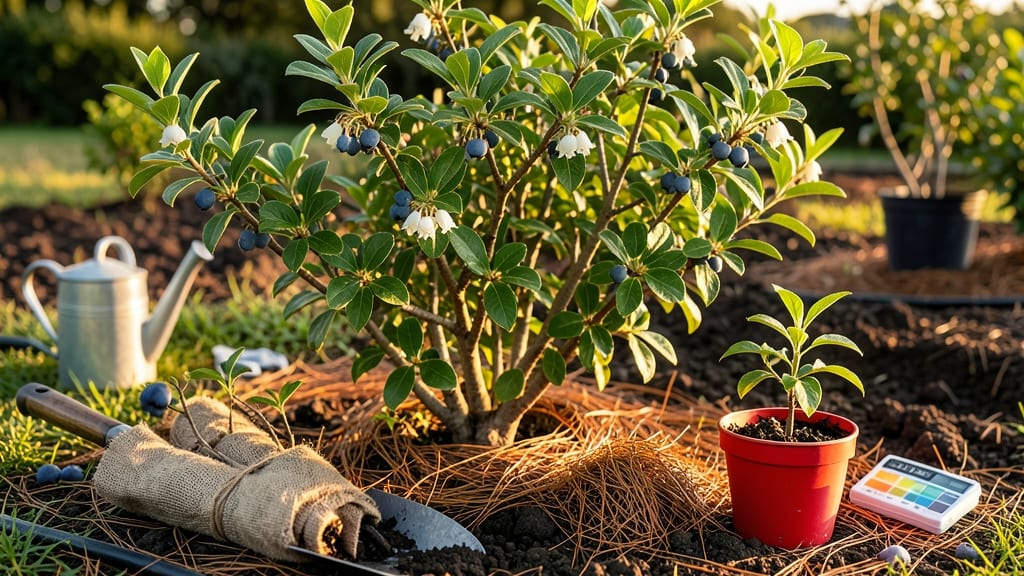
Planting blueberries in Zone 8 might seem tricky with its mild winters and hot summers, but timing them just right could mean the difference between a failed crop and a berry bounty that puts grocery store ones to shame.
The key isn't just about sticking a 🫐 in the ground—it's about understanding when your local climate actually works in your favor.
Most gardeners in Zone 8 make the mistake of waiting too long in spring, only to watch their plants struggle with heat stress before they even establish roots. The truth?
The best window for planting blueberries here is actually late winter to early spring, when soil temperatures are cool but warming up—a perfect balance for root growth before summer's intensity kicks in.
What you'll discover in this guide isn't just when to plant, but how to prepare your soil, choose the right varieties for Zone 8's heat, and even protect your bushes from unexpected late frosts. We're talking about practical steps that actually work, not just theory.
Ready to turn your backyard into a blueberry paradise? Let's get into the exact months and methods that'll have you harvesting those sweet, juicy berries by next summer.
Best planting months for blueberries in Zone 8: exact timing guide
Zone 8's mild winters and hot summers create a unique challenge for blueberry planting. The ideal window is actually late winter to early spring, specifically February through March, when soil temperatures hover between 40°F and 60°F.
This timing lets roots establish before summer heat stress kicks in—a critical factor for southern highbush and rabbiteye varieties that thrive here.
Many Zone 8 gardeners mistakenly wait until April, but by then, the soil can be too warm, causing root shock and poor establishment. The first two weeks of March offer the perfect balance: cool enough for root growth but warm enough to avoid frost damage.
For bare-root plants, this window is even more critical—they need to root before summer's intensity.
Here's the golden rule for Zone 8: Plant when your last frost date has passed but before soil temperatures exceed 65°F. In most Zone 8 regions, this means mid-February to early April.
Coastal areas can plant slightly earlier, while inland zones should wait until late March to avoid unexpected late frosts.
Don't overlook fall planting (October-November) for container-grown blueberries. This method works surprisingly well in Zone 8 because the plants establish roots before winter dormancy, giving them a head start in spring. Just ensure the soil doesn't freeze solid before planting.
| Planting Method | Best Months | Soil Temp Ideal | Key Advantage |
|---|---|---|---|
| Bare-Root Plants | February-March | 40°F-60°F | Faster root establishment |
| Container-Grown | October-November | 50°F-65°F | Head start before spring |
| Potted Plants | March-April | 55°F-70°F | Flexible timing for small spaces |
| Transplanted Mature Bushes | Late February | 45°F-55°F | Minimizes transplant shock |
For rabbiteye varieties like 'Climax', which are more heat-tolerant, you can push the planting window slightly later—even into early April. These varieties handle Zone 8's summer heat better than southern highbush types, but they still need that early start for optimal fruiting.
The key is to plant when your local average last frost date has passed by at least 2-3 weeks.
Pro tip: Use a soil thermometer to check temperatures before planting. If the soil is above 65°F, wait a week or two—your blueberries will thank you with stronger growth and bigger berries.
In my Zone 8b garden, I've found that planting in late February gives the bushes enough time to establish before the real heat arrives in May.
One common mistake is planting too early in Zone 8. If you plant in January, your blueberries might experience frost heave (when roots freeze and expand, damaging the plant) or fail to break dormancy properly.
The 2-3 weeks before your last frost date is the sweet spot for most varieties.
Remember that microclimates matter in Zone 8. Urban areas with heat islands may need to plant slightly earlier, while rural zones with cooler nights can wait until early April. Always check your local frost dates and adjust accordingly—this is the single most important factor for success in our climate.
After planting, focus on mulching heavily with pine straw or wood chips to maintain soil moisture and temperature. This helps young plants handle Zone 8's summer heat better and reduces watering needs. With the right timing and care, you'll be harvesting those juicy blueberries by next summer!
Best planting months for blueberries in Zone 8: exact timing guide
In Zone 8, the perfect window for planting blueberries isn't just about spring—it's about late winter to early spring, when soil temperatures hover around 40-50°F. This timing gives roots time to establish before summer's heat stress hits.
Most gardeners in this zone rush planting until March, but the ideal months are actually February through April, with March being the sweet spot for most varieties.
Why? Blueberries are dormant plants that need a cool period to break dormancy. Planting too early (like January) risks frost damage to tender new growth, while waiting until May means your bush will struggle with establishment heat stress.
The key is to plant when the ground is workable but not frozen—usually right after your last frost date, which in Zone 8 typically falls around mid-February.
🌱Pro Tip: If you're planting bare-root blueberries (the most common type), aim for late February to early March. For container-grown bushes, you can extend the window slightly into April, as their roots are already established.
| Planting Method | Best Months | Why This Timing |
|---|---|---|
| Bare-Root Plants | Late February - Early March | Cooler soil temps prevent root shock; aligns with natural dormancy break. |
| Container-Grown | March - April | Established roots handle slightly warmer soil; flexible window for urban gardens. |
| Fall Planting (Zone 8 Edge) | October - November (coastal only) | Only for mild microclimates; roots establish before winter rains. |
For Zone 8 gardeners, the biggest mistake is assuming "spring" means April. By then, summer's heat is already stressing young plants. Instead, think of March as your deadline—any later, and you risk delayed fruiting or even plant death during heatwaves.
Even better? Plant in February if your soil isn't frozen, as cooler temps reduce transplant shock and encourage deeper root growth before summer.
💡Regional Note: Coastal Zone 8 areas (like San Francisco) can plant slightly later due to milder winters, while inland zones (like Phoenix) should plant earlier to avoid April heat. Always check your last frost date—planting 2-3 weeks after is your safety net.
If you're still unsure, bare-root plants are your best bet—they're hardier and establish faster than potted varieties. Just soak the roots in water for 2-3 hours before planting to revive them, then get them in the ground while the soil is still cool.
Your first harvest could be just 1-2 years away if you time it right!