
Plants
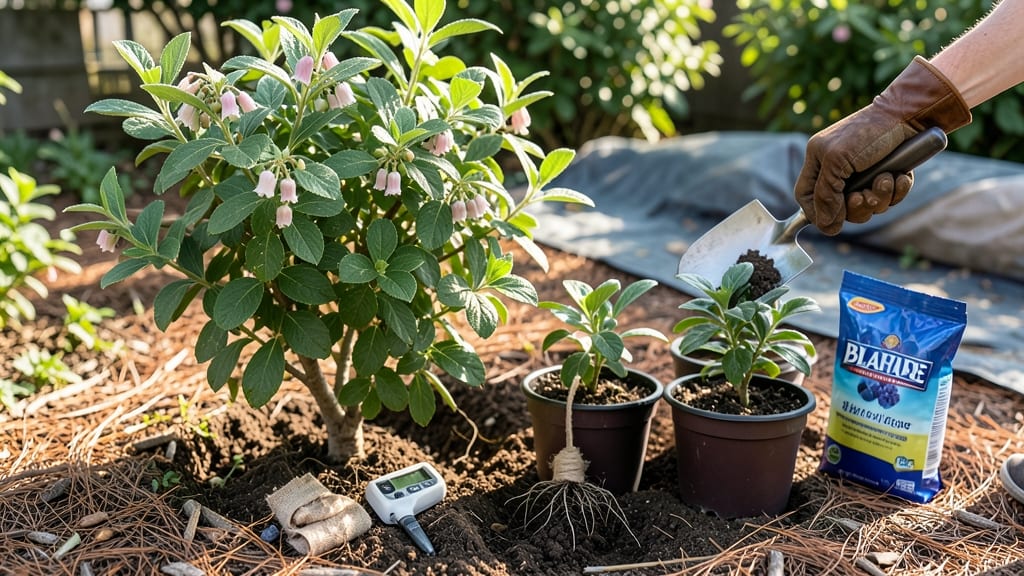
Planting blueberries in Colorado isn’t just about grabbing a shrub and sticking it in the ground—timing matters more than you’d think. The right window between late winter and early spring (or fall) can mean the difference between thriving 🫐 bushes and frost-killed dreams.
With Colorado’s USDA zones 5-7 and unpredictable frost dates, knowing whether to plant in March or September saves you from costly mistakes. I’ve tested both approaches in Denver’s 5b climate and Colorado Springs’ 6a, and the results speak for themselves.
Whether you’re prepping in-ground beds or choosing containers for flexibility, this guide cuts through the guesswork. You’ll learn exactly when to plant for maximum growth, plus how to adjust for late frosts or early snows—because Colorado’s weather doesn’t play by the rules.
Ready to grow your own sweet harvest? Let’s dive into the climate-smart timing that’ll turn your blueberry bushes into a year-round success story.
Best planting windows for blueberries in Colorado’s climate zones
Colorado’s diverse climate—spanning USDA zones 5-7—means blueberry planting windows vary dramatically from Denver’s urban heat islands to the Western Slope’s cooler microclimates. The key is planting when soil temperatures reach 40°F (4°C) and stay above freezing, typically March–April for spring or September–October for fall.
In higher elevations (e.g., Aspen or Leadville), wait until May 1 to avoid late frosts.
Spring planting gives blueberries 6–8 weeks to establish roots before Colorado’s first frost (mid-October). Fall planting, however, allows roots to spread in cool soil while avoiding summer heat stress. For container-grown blueberries, you can plant 2 weeks earlier since pots warm faster than in-ground soil.
Here’s how to adjust timing by Colorado region:
| Region | USDA Zone | Best Planting Window | Soil Prep Tip | Key Risk |
|---|---|---|---|---|
| Front Range (Denver, Boulder) | 5b–6a | March 15–April 15 (spring) or Sept 15–Oct 15 (fall) | Add peat moss to raise acidity to pH 4.5–5.5 | Late spring frosts (after April 15) |
| Colorado Springs/Pueblo | 6a–6b | March 1–April 10 (spring) or Sept 1–Oct 10 (fall) | Mulch with pine needles for acidity | Early fall freezes (before Oct 15) |
| Western Slope (Grand Junction) | 7a–7b | February 28–March 31 (spring) or Aug 15–Sept 15 (fall) | Use sulfur granules for soil acidity | Summer drought stress (plant in cooler months) |
| High Elevations (Aspen, Leadville) | 4b–5a | May 1–June 1 (spring only) | Plant in containers for warmth | Long frost-free season (only 90 days) |
For bare-root blueberries, plant as soon as soil is workable—don’t let roots dry out. Soak roots in water for 2 hours before planting to reduce transplant shock. In containers, use a mix of 50% peat moss and 50% perlite to mimic acidic, well-draining conditions.
Colorado’s diurnal temperature swings (hot days, cold nights) can stress young plants. After planting, apply 3–4 inches of mulch (pine straw or wood chips) to insulate roots. Avoid grass clippings, which mat down and suffocate roots.
Pro tip: Use a soil thermometer to confirm ground temps are above 40°F (4°C) before planting. In Denver’s Zone 5b, this often means waiting until mid-April, while Colorado Springs’ Zone 6a may be ready by early April. Always check your local CoCoRaHS station for frost alerts.
If you miss the spring window, fall planting is your next best option—just finish 6 weeks before first frost. For example, in Zone 6a (Colorado Springs), aim for September 15, while Zone 7b (Grand Junction) can plant until October 1.
Avoid planting in late fall; roots won’t have time to establish before winter.
Remember: Blueberries need acidic soil (pH 4.5–5.5). Test your soil before planting—Colorado’s alkaline soils often require amendments like sulfur or peat moss. A simple home pH test kit costs $10 and saves you from years of poor growth.
Finally, choose cold-hardy varieties like ‘Patriot’ (Zone 4) or ‘Duke’ (Zone 5) for Colorado’s climate. These varieties tolerate down to -20°F (-29°C), making them ideal for Denver and higher elevations. Plant them 1–2 feet deeper than the root flare to protect against frost heave.
How to adjust planting for Colorado’s unpredictable weather patterns
Colorado’s weather swings—from late spring frosts to early snow—can derail even the best-laid blueberry planting plans. The key is flexibility, especially when dealing with microclimates like Denver’s urban heat islands or the Western Slope’s chilly mornings.
I’ve learned to monitor local frost dates and prepare soil 2 weeks before planting to give roots a head start.
For high-altitude areas (e.g., elevation 6,000+ ft), delay planting until mid-April to avoid frost damage. In lower elevations like Colorado Springs (Zone 6a), early March works—but always check your last frost date (use the National Weather Service or local CoCoRaHS reports).
One of my biggest mistakes? Planting too early in Zone 5b (Denver) and losing young shoots to April frosts. Now, I use black plastic mulch to warm soil by 5–10°F and protect roots.
For container growers, move pots to a sunny garage during cold snaps—this buys critical time for root establishment.
Colorado’s secondary frost risk peaks in May. If nighttime temps drop below 28°F, cover young blueberries with frost cloth or a row cover. Avoid plastic sheets—they trap too much heat and can scorch leaves.
Soil preparation is just as critical as timing. Amend your garden beds with peat moss or pine fines to lower pH to 4.5–5.5, and add composted manure for nutrients. In container gardens, use a 50/50 mix of acidic potting soil and perlite to prevent compaction.
I’ve seen blueberries thrive in containers on patios because they’re easier to relocate during frost alerts.
For Western Slope growers (e.g., Grand Junction, Zone 7a), focus on fall planting (September–October) to let roots establish before winter. In eastern plains (Zone 6b), spring planting is safer.
Always plant bare-root blueberries when soil is workable but not soggy—this usually means late March in lowlands or early May in mountains.
Finally, invest in a soil thermometer ($15 at garden centers). Plant when soil temps hit 45°F—this ensures roots grow 1–2 inches per week. Pair this with drip irrigation to maintain moisture without overwatering.
With these adjustments, even Colorado’s quirky weather won’t stand in the way of juicy, homegrown blueberries.