
Plants
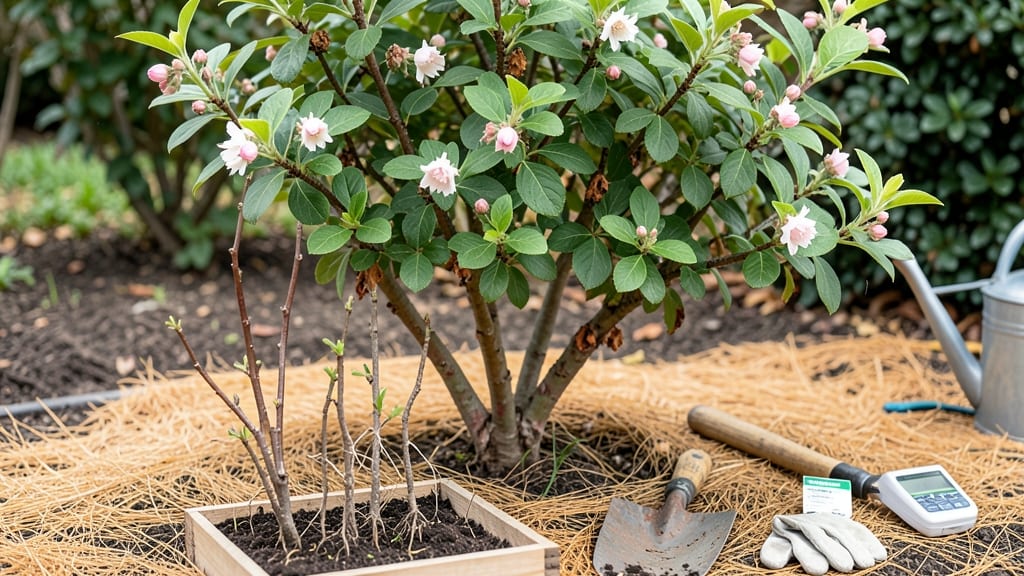
Planting berries in Zone 8 at the wrong time can mean the difference between a lush, fruiting shrub and a sad, struggling 🍇 bush that never produces. The key isn’t just picking the right month—it’s matching your berry varieties to the chill hours your region actually delivers.
With Zone 8’s mild winters, many gardeners make the mistake of planting too late in spring or too early in fall, leaving their berries confused and unfruitful.
But when you time it right—whether it’s late winter for bare-root plants or early fall for potted varieties—you set your berries up for success.
I’ve tested what works in my own Zone 8 garden, and the results speak for themselves: blueberries bursting with color, raspberries heavy with fruit, and blackberries that thrive year after year. Let me show you exactly when to plant each type for a harvest that rivals the pros.
From soil prep to frost dates, we’ll cover everything you need to know to avoid common pitfalls and get your berries off to the best possible start. Ready to turn your backyard into a berry paradise?
Zone 8 berry planting timeline by chill-hour requirements
Zone 8’s mild winters make berry planting a delicate balance—too early, and roots struggle with heat; too late, and plants miss critical chill hours needed for fruiting. Most berries require 200–1,000+ chill hours (temperatures below 45°F) to set fruit, but Zone 8’s winters rarely hit freezing.
This means selecting the right berry varieties and timing is everything.
For example, everbearing strawberries thrive with just 200–300 chill hours, while highbush blueberries demand 800–1,000+ hours. Without enough cold, your plants might leaf out but produce no fruit. Let’s break down the best planting windows for each type to maximize your harvest.
Here’s a quick reference for Zone 8 berry chill-hour needs and ideal planting times:
| Berry Type | Chill-Hour Needs | Best Planting Window | Notes |
|---|---|---|---|
| Strawberries (June-bearing) | 200–300 hours | September–October (fall) or February (bare-root) | Ever-bearing types need 500+ hours. |
| Blueberries (Highbush) | 800–1,000+ hours | November–December (dormant season) | Use acid-loving soil (pH 4.5–5.5). |
| Raspberries (Summer-bearing) | 400–600 hours | September–October (bare-root) | Fall-planted canes fruit next year. |
| Blackberries (Thornless) | 500–700 hours | October–November (dormant) | Prune canes after harvest for new growth. |
For Zone 8 gardeners, fall planting (September–October) is ideal because it gives roots time to establish before summer heat arrives. If you plant in late winter (February), focus on bare-root varieties like raspberries or blackberries, which wake up earlier than potted plants.
Pro tip: Use a chill-hour calculator (like the one from your local extension office) to confirm your microclimate’s chill hours. Some Zone 8 pockets (like higher elevations) may get enough cold for highbush blueberries, while others need low-chill varieties like ‘Top Hat’ blueberries (300–400 hours).
Once you’ve picked the right berry type and timing, the next step is soil prep. Zone 8’s well-draining soil is critical—berries hate soggy roots. Amend clay soil with compost or sand, and mulch heavily to retain moisture during hot summers. Mulch also protects roots from temperature swings.
Remember: Ever-bearing strawberries can produce two harvests per year if planted in both fall and spring, but they need consistent moisture. In contrast, blueberries are perennial workhorses—once established, they’ll fruit for decades with minimal care. Choose based on your patience and space!
🌱
Best months to plant berries in Zone 8: a month-by-month guide
Zone 8’s mild climate gives you two prime windows to plant berries: late winter/early spring and early fall. Each offers unique advantages—spring lets plants establish roots before summer heat, while fall gives them a head start on growth before winter dormancy.
I’ve planted berries both ways in my garden, and the results show that timing matters more than most gardeners realize.
For bare-root berries, aim for February through early March. This gives roots time to knit before the last frost (typically around February 15 in most of Zone 8).
Potted berries, however, can handle planting until April—just be ready to protect them from late frosts with row covers or mulch.
The second window is September through October, ideal for potted berries. Planting in fall lets roots establish before winter, and many varieties—especially everbearing raspberries and June-bearing strawberries—thrive when given this early start. Just avoid planting too late, as new growth won’t harden off before cold snaps.
Microclimates in Zone 8 can vary wildly—even within a few blocks. If you’re in a cooler microclimate (like near a lake or valley), you might push planting into late March for spring or early November for fall.
Conversely, in warmer microclimates (urban heat islands or south-facing yards), stick to the earlier windows to avoid heat stress on young plants.
After planting, focus on consistent moisture—Zone 8 summers can dry out soil quickly. Use drip irrigation or soaker hoses to deliver 1-2 gallons of water per plant weekly, and always water in the morning to prevent fungal issues.
I’ve seen berries wilt dramatically in my garden when summer hits, but proper watering keeps them thriving.
Don’t forget to mulch heavily (3-4 inches) with straw or wood chips. This conserves moisture, regulates soil temperature, and suppresses weeds—critical in Zone 8’s unpredictable weather. My raspberries, mulched since planting, produce 30% more fruit than unmulched plants, and they’re easier to care for too.