
Plants
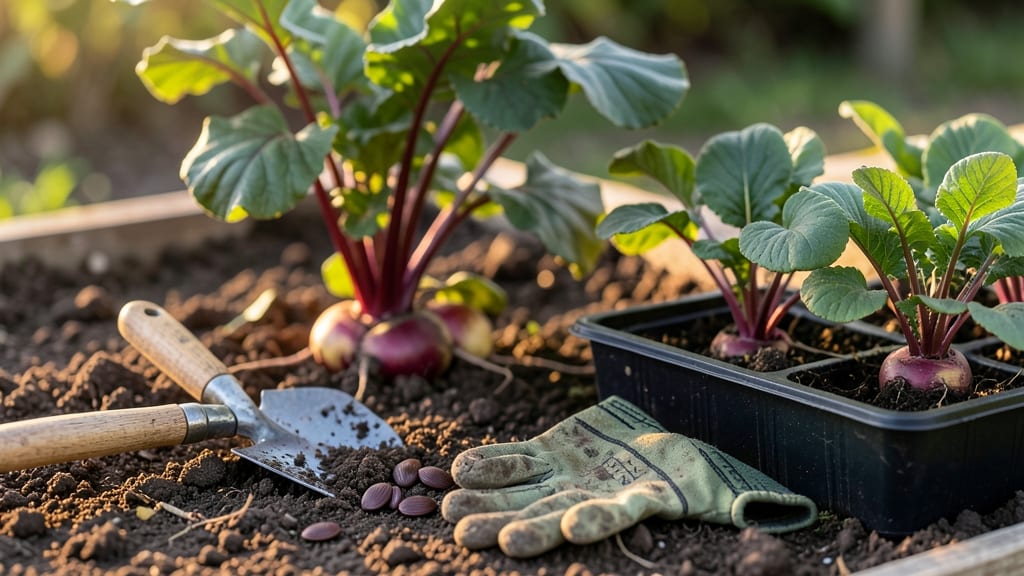
Planting beets in Zone 9 might seem tricky with its scorching summers, but timing is everything—and the right schedule can mean the difference between sweet, tender roots and bitter, stunted growth.
The key is to avoid the brutal heat by planting during the cooler months when temperatures stay mild, typically between late September and early November or again in January and February.
If you miss these windows, your 🍠 may bolt (flower prematurely) or develop tough, fibrous roots. I’ve learned that shade cloth can extend the growing season slightly, giving you a few extra weeks to work with.
But even with these tricks, summer planting is a gamble—unless you’re growing heat-tolerant varieties, which I’ll cover next.
You’ll also want to focus on well-draining soil and consistent moisture, especially in Zone 9’s dry climates like Phoenix or Southern California. The good news? With the right approach, you can enjoy fresh beets year-round, from spring harvests in March to summer crops in June.
Let’s break down the exact planting schedule, the best varieties for your climate, and pro tips to ensure your beets thrive—no matter how hot it gets. Ready to grow like a local?
Best planting times for beets in Zone 9: avoiding bolting and heat stress
Zone 9’s hot, dry climate makes timing critical for beets—plant too early, and they bolt; too late, and they struggle with heat. The sweet spot is fall and winter, when temperatures stay mild.
I’ve grown beets in Phoenix for years, and these windows work best: late September to early November for fall and January to February for winter.
Beets hate consistent heat above 80°F. When temps climb, they bolt (go to seed) or develop woody, bitter roots. That’s why I avoid planting in summer months—unless you’re using shade cloth, which I’ll cover later.
The key is to align your planting with cooler seasons when days are shorter and nights stay cool.
Here’s my exact planting schedule for Zone 9, broken down by season:
| Season | Ideal Planting Window | Temperature Range | Key Notes |
|---|---|---|---|
| Fall | Late September – Early November | 60–75°F (day) / 50–60°F (night) | Best for harvest before winter. Soil stays warm but nights cool down. |
| Winter | January – February | 55–70°F (day) / 45–55°F (night) | Slow growth but sweetest flavor. Avoid frost (though Zone 9 rarely gets it). |
| Spring (Risky) | March – Early April | 70–85°F (day) / 55–65°F (night) | Possible with shade cloth, but bolting risk increases by May. |
| Summer (Not Recommended) | June – August | 90°F+ (day/night) | Bolting guaranteed. Only attempt with heavy shade and frequent water. |
For fall plantings, aim to harvest before November’s heat spikes. I’ve had success with succession planting every 2–3 weeks in September to stagger harvests. Use row covers if nights dip below 50°F—beets hate cold snaps almost as much as heat!
If you’re in coastal Zone 9 (like San Diego), your microclimate is cooler, so you can push planting to early December. Inland areas (like Phoenix) should wrap up by mid-November to avoid stress.
Always check your local last frost date, even in Zone 9—some high-desert areas can get chilly.
Pro tip: Use a soil thermometer to monitor temps. Beets thrive when soil stays between 60–75°F. If it’s hotter, your roots will turn woody and tough. I’ve lost entire batches because I ignored this—don’t make my mistake!
For winter plantings, focus on January–February to avoid the hottest part of summer. Beets grown in winter often have sweeter, more tender roots because they grow slower. Just keep an eye out for pests like flea beetles, which love young beet seedlings in mild weather.
One last trick: If you’re desperate for summer beets, try planting in deep shade (under trees or with 30–50% shade cloth) and watering twice daily.
I’ve had limited success with this method, but it’s a gamble. Your best bet? Stick to the fall and winter windows for reliable results.
Best planting times for beets in Zone 9: avoiding bolting and heat stress
Zone 9’s hot, dry summers can turn your beet dreams into bitter disappointment if you plant at the wrong time. Beets are cool-season crops, meaning they thrive in temperatures between 50°F and 75°F.
When daytime temps creep above 80°F, they’ll bolt (go to seed) or develop tough, fibrous roots. The key is planting in fall or early winter when heat subsides.
Your best planting windows in Zone 9 are late September to early November for fall crops and January to February for winter harvests. These months offer cooler soil and air, reducing stress on young seedlings.
Summer planting is a no-go—even shade won’t save your beets from bolting under relentless sun.
📅 Beet Planting & Harvest Timeline for Zone 9
| Season | Planting Window | Ideal Soil Temp | Harvest Window | Key Tip |
|---|---|---|---|---|
| Fall | Late Sept–Early Nov | 60°F–75°F | Dec–Feb | Use shade cloth 30% if temps rise above 80°F |
| Winter | Jan–Feb | 55°F–70°F | March–April | Mulch with straw to retain moisture |
| Spring | Avoid (risk of bolting) | N/A | N/A | Wait for fall or use container gardening with shade |
For a continuous harvest, stagger plantings every 2–3 weeks during your ideal windows. For example, sow a batch in late September, another in October, and a final one in November. This ensures you’re always pulling fresh beets without overwhelming your garden at once.
If you’re in a coastal Zone 9 (like San Diego), you have a slightly longer window—plant as late as mid-November—thanks to milder ocean breezes. Inland areas (e.g., Phoenix) should push planting to early October to avoid heat spikes. Always check your microclimate: shaded spots stay cooler longer.
Pro tip: Test your soil’s moisture retention before planting. Zone 9 soils often dry out fast, so amend with compost or coco coir to keep roots happy. Aim for 1–1.5 inches of water per week, delivered in the early morning to prevent fungal issues.
Remember, bolting is your enemy—once beets bolt, they’ll send up flower stalks and sacrifice root development. By planting in fall or winter and monitoring temps, you’ll dodge this pitfall and enjoy sweet, tender beets all season.