
Plants
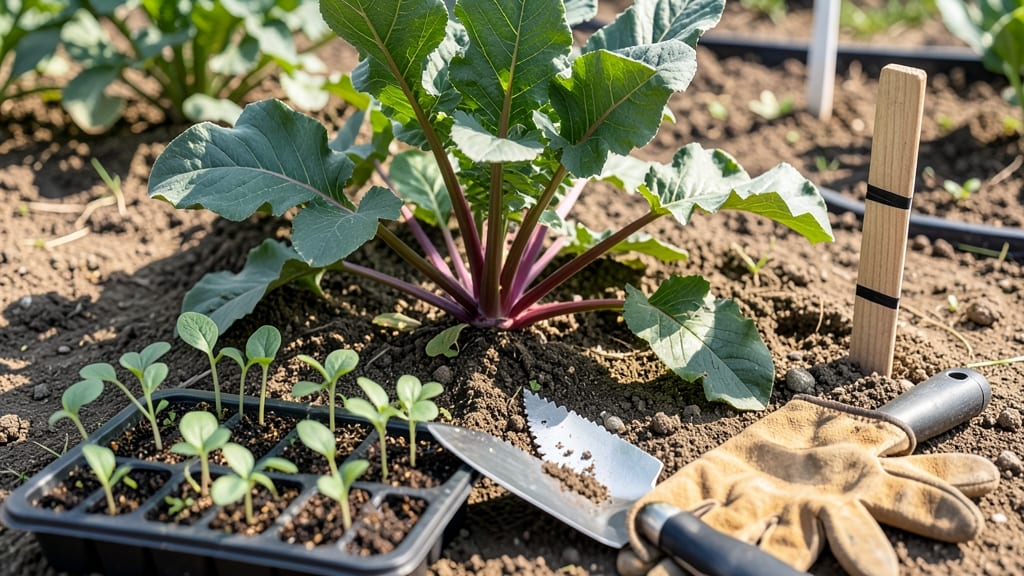
Timing your beet planting in Colorado can feel like a high-stakes game—get it wrong, and you might end up with bitter roots or wasted effort. But with the right schedule, you can enjoy a steady harvest of sweet 🍠 beets from early summer through fall, even in zones 5-8.
The key lies in understanding your local frost dates and microclimates, whether you're on the Front Range or the Western Slope.
Most gardeners in Colorado start sowing beets as early as March, once the soil warms to at least 40°F, but frost-sensitive varieties need to wait until after the last frost date—usually mid-April to early May.
This early start gives you a jump on the 60-70-day growing season, ensuring tender roots before summer heat sets in.
For a continuous supply, succession planting is your best friend. By sowing new seeds every 2-3 weeks from March through July, you’ll avoid the "all-at-once" harvest dilemma and keep fresh beets on the table from June through October.
Plus, fall plantings in August or September can still yield a crop before winter frost hits.
Don’t let Colorado’s short growing season hold you back—with the right timing and a few pro tips, you’ll master the art of beet-growing. Let’s dive into the exact dates and strategies that work best for your region.
Colorado’s frost-free window for beets: planting zones and exact dates
Colorado’s diverse microclimates mean your beet planting dates can vary by hundreds of miles—from the Front Range’s cooler springs to the Western Slope’s earlier last frosts. Understanding these differences is key to avoiding frost damage while maximizing your harvest window.
Beets thrive in USDA Zones 4-7, but Colorado’s elevation shifts (from 3,500 to 10,000 feet) creates unique challenges for gardeners.
Most Colorado gardens experience their last spring frost between mid-April and early May, while the first fall frost typically arrives in mid-October to early November. However, high-altitude areas like Steamboat Springs (Zone 5) may see frosts 2-3 weeks later than Denver (Zone 5) or Colorado Springs (Zone 6).
This variability means your planting schedule should account for local averages—and a buffer for unexpected cold snaps.
For spring plantings, aim to sow beet seeds 4-6 weeks before your last frost date. In Denver and Boulder, that’s typically mid-to-late March, while Grand Junction growers can start as early as late February.
Fall plantings should begin 8-10 weeks before your first frost, meaning late July to early August for most regions. These windows ensure beets mature before cold temperatures turn their leaves bitter or roots woody.
Altitude adjustments are critical: every 1,000 feet gain in elevation shortens your growing season by about 5-7 days. For example, Fort Collins (5,500 ft) may need to delay spring plantings until late March, while Pueblo (4,700 ft) can start earlier. Always check your local CoCoRaHS weather station or Colorado State University Extension frost maps for precise data tailored to your county.
Colorado’s short frost-free season (typically 120-180 days) makes succession planting essential for continuous harvests. Since beets take 60-70 days to mature,
Succession planting strategies for continuous beet harvests in Colorado gardens
Colorado’s short growing season makes succession planting your secret weapon for a steady supply of fresh beets. By staggering your sowings every 2-3 weeks from March through July, you’ll avoid the dreaded "all-at-once" harvest and enjoy tender roots from June through October.
This method works especially well in USDA Zones 5-8, where frost dates vary dramatically by elevation.
Start your first planting as early as late March for cold-hardy varieties like ‘Detroit Dark Red’ or ‘Golden’, which can tolerate light frosts. Follow up with new batches every 2-3 weeks—this keeps your harvest rolling even as early plantings mature.
For example, a March 15th planting will yield harvests by early June, while a May 1st planting will be ready by late July.
Don’t overlook late summer plantings either! Sow your final batch in early August for a fall harvest before frost. Choose heat-tolerant varieties like ‘Ruby Queen’ or ‘Chioggia’ for these later sowings, as they handle Colorado’s summer heat better than traditional types.
With this approach, you’ll have beets ready to harvest every 60-70 days—perfect for canning, roasting, or fresh salads.
📅 Succession Planting Timeline for Colorado
- 🌱 Late March: First sowing (cold-hardy varieties)
- 🌿 Every 2-3 weeks: Repeat sowings through July
- 🌻 Early August: Final heat-tolerant batch
- ✂️ June-October: Continuous harvest window
Pro tip: Use row covers or cold frames for early spring plantings to extend your season. These protect young seedlings from late frosts while still allowing sunlight to penetrate. In higher elevations like the Rocky Mountains, consider starting seeds indoors in February for an earlier transplant date.
For container gardeners, succession planting works too! Sow beets in 5-gallon pots every 3 weeks, ensuring each container gets 6+ hours of sun3-4 inches apart to prevent overcrowding and bolting.
By mastering succession planting, you’ll transform Colorado’s short growing season into a year-round beet bonanza. Whether you’re growing for fresh eating, pickling, or storage, this strategy ensures you’ll never run out of homegrown beets—even in the face of unpredictable mountain weather. Happy planting! 🌱