
Plants
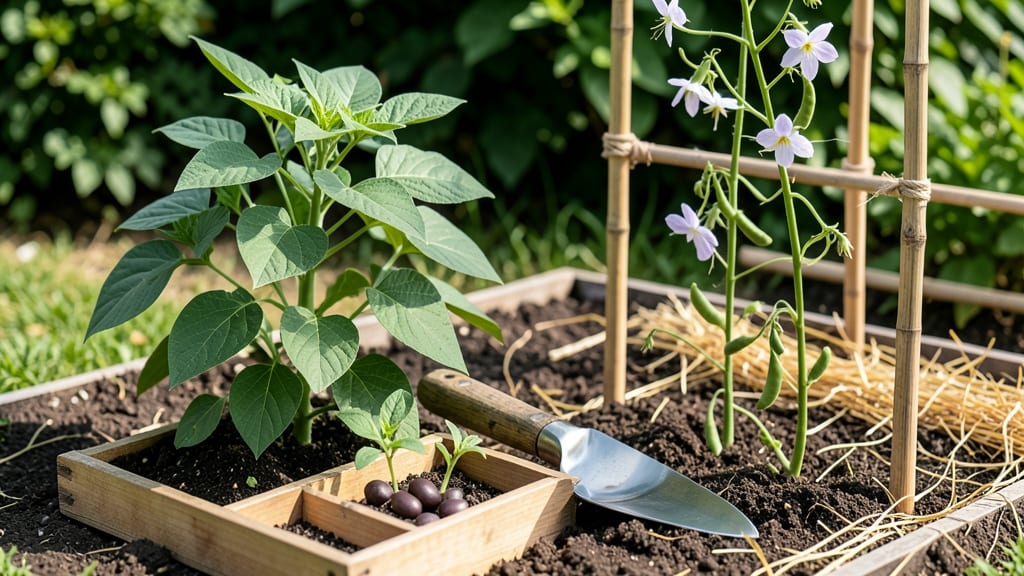
Planting beans in Zone 8 at the wrong time can turn your fast-growing 🌱 dreams into a sad, wilted disappointment—unless you know the secret trigger for success.
Here's the thing: those tiny seeds need soil that's warm enough to wake them up, and in Zone 8, timing it right means the difference between a bountiful harvest and wasted effort.
I've learned the hard way that rushing too early (when the ground is still cool) or waiting too long (when summer heat arrives) both sabotage your beans before they even get started.
In this guide, I'll show you exactly when to plant for fast germination—whether you're growing bush beans for quick snacks or pole varieties for a steady supply.
We'll cover the ideal soil temperatures, the best months for your specific microclimate, and how to stretch your planting season for continuous harvests.
Ready to grow beans that actually thrive? Let's get those seeds in the ground at the perfect moment—no more guesswork, just reliable results every time.
Optimal soil temperature ranges for planting beans in Zone 8
Beans are warm-season crops that thrive when soil temperatures hit 55-85°F, but timing matters more than you might think. In Zone 8, where winters are mild and summers scorching, getting the soil warmth right ensures fast germination and robust growth.
Planting too early when soils are still cool can leave seeds sitting dormant for weeks, while waiting too long risks heat stress before harvest.
Most bean varieties prefer soil temps between 60-70°F for ideal germination, but pole beans tolerate slightly warmer conditions (up to 85°F) better than bush beans. The key is testing your soil before planting—simply push a soil thermometer 2 inches deep in the ground on a sunny morning.
If it reads below 60°F, wait a few days or use black plastic mulch to warm the soil faster.
Why soil temperature matters: Cooler soils slow down germination, while overly hot soils can cause seeds to rot or sprout unevenly. In Zone 8, this means avoiding early February plantings in inland areas (where nights are still chilly) and waiting until mid-March for coastal regions. For summer plantings, aim for late August to give beans time to mature before fall frosts.
Here’s how different bean types respond to soil warmth:
| Bean Type | Ideal Soil Temp (°F) | Germination Time | Zone 8 Planting Window |
|---|---|---|---|
| Bush Beans (e.g., Blue Lake) | 60-70°F | 7-10 days | March-April or August-September |
| Pole Beans (e.g., Kentucky Wonder) | 65-85°F | 5-7 days | April-May or July-August |
| Snap Peas (e.g., Sugar Snap) | 55-65°F | 10-14 days | February-March (cool season) |
| Black-Eyed Peas (e.g., Purple Hull) | 70-80°F | 8-12 days | April-May or August-September |
To speed up soil warming, try these Zone 8-specific tricks:
- Black plastic mulch: Spread it over beds 1-2 weeks before planting to raise soil temps by 10-15°F.
- Clear plastic tunnels: Use hoop houses to trap heat for early spring plantings.
- Compost piles: Place them near planting areas to radiate warmth into the soil.
One common mistake is assuming air temperature equals soil temperature. In Zone 8, air might feel warm in February, but soil can still be 50°F or cooler. Always check with a thermometer—your seeds will thank you with faster sprouts and healthier plants.
Pro tip: If you’re planting in coastal Zone 8 (e.g., San Diego), start 2-3 weeks earlier than inland areas like Los Angeles, where hotter microclimates delay spring planting. For inland zones, wait until mid-April to avoid heat stress during flowering.
Remember, beans hate cold soil but also struggle in extreme heat. The sweet spot is 65-75°F—aim for that range, and you’ll see uniform germination and bountiful harvests.
For summer plantings, focus on late August to give beans time to mature before fall frosts hit in November. Use shade cloth if temps exceed 90°F to protect young plants.
Optimal soil temperature ranges for planting beans in Zone 8
Beans are warm-season crops that thrive when soil temperatures reach their ideal range—55-85°F—but timing matters more than you might realize.
In Zone 8, where winters are mild and summers scorching, planting too early risks frost damage, while waiting too long can lead to heat stress or poor germination. The key is understanding how soil temperature triggers germination and growth for both bush beans and pole beans.
Most bean varieties won’t germinate below 55°F, and temperatures above 85°F can stunt growth or cause seeds to rot. In my Zone 8 garden, I’ve learned to monitor soil temps closely—especially in coastal areas where cooler microclimates delay planting, and inland regions where summer heat arrives early.
A simple soil thermometer (just $10) saves me from wasted seeds every year.
Bush beans (like Blue Lake or Roma) prefer the cooler end of the range (55-70°F), while pole beans (such as Kentucky Wonder) tolerate slightly warmer soils (65-85°F). This difference explains why my pole beans often outperform bush varieties in late summer plantings—they handle heat better. However, both types struggle if soil temps spike above 90°F for more than a few days.
🌱 Bean Soil Temperature Guide for Zone 8
| Bean Type | Ideal Soil Temp (°F) | Germination Speed | Zone 8 Planting Window |
|---|---|---|---|
| Bush Beans | 55-70°F | 7-14 days | March-April (spring) or August-September (fall) |
| Pole Beans | 65-85°F | 5-10 days | April-May (spring) or July-August (summer) |
| Heat-Tolerant Varieties | 70-90°F | 5-7 days | June-July (late summer) |
Pro Tip: Use a soil thermometer to check temps 1 inch deep—where seeds will germinate. Morning readings are most accurate!
Testing soil temperature is simpler than it sounds. I use a digital soil thermometer (like the Thermopro TP12) to check depths of 1-2 inches—the zone where most bean seeds germinate.
In Zone 8, I aim for 60°F+ before planting, which typically aligns with mid-March for spring and late July for fall. If temps drop below 55°F, germination slows dramatically, and seeds may rot. Conversely, soils above 85°F can cause seedling stress or even death.
Another trick I’ve picked up? Black plastic mulch warms soil 5-10°F faster than bare earth, letting me plant 2-3 weeks earlier in spring. For fall plantings, I opt for white mulch to reflect heat and keep roots cooler during Zone 8’s intense summers.
This small adjustment has doubled my harvest success in both seasons. Pair this with well-draining soil (beans hate soggy roots), and you’re golden.
Remember, soil temperature ≠ air temperature. On a 70°F spring morning, soil might still be 50°F—too cold for beans. Always test! If you’re planting in containers, soil warms faster, so you can start 1-2 weeks earlier than in-ground plantings.
For direct-sown seeds, wait until soil hits 60°F consistently for 3-5 days.