
Plants
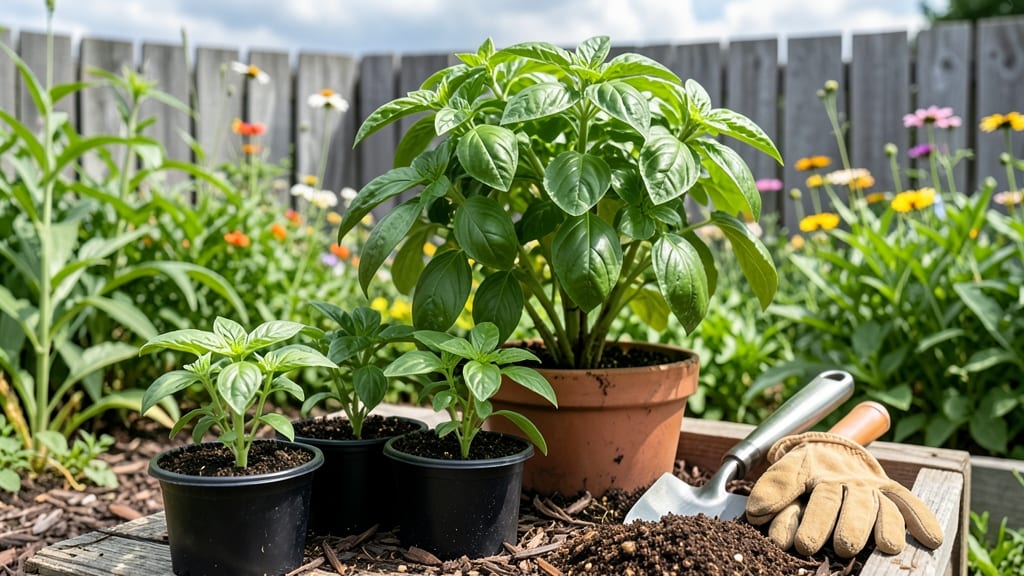
Planting basil in Oklahoma isn’t just about throwing seeds into the dirt—it’s about catching that perfect window between frost and scorching heat. Miss the mark, and you’ll either lose your crop to late frosts or watch it bolt in the summer sun.
The key? Understanding your USDA zone and working with Oklahoma’s unpredictable weather patterns.
In zones 6a-8a, your best bet is to wait until April 15–May 15 for spring planting, once soil temperatures hit at least 50°F. Fall planting? Aim for September 1–30 to give your 🌿 basil time to mature before the first frost.
But here’s the catch: Oklahoma’s microclimates can shift those dates by weeks—so knowing your local frost averages is non-negotiable.
Whether you’re starting seeds indoors or sowing directly, timing affects everything from flavor to yield. Too early, and frost will turn your tender seedlings into sad, wilted memories. Too late, and you’ll miss the 60-90 day window needed for a full harvest.
Let’s break down exactly when to plant for zero-frost survival and how to stretch your growing season.
Ready to grow basil that thrives? I’ll walk you through zone-specific planting schedules, frost protection tricks, and even how to plan for back-to-back harvests. No more guesswork—just lush, aromatic basil all season long.
Oklahoma’s USDA zone planting windows for basil success
Oklahoma’s diverse USDA zones 6b-8a create unique challenges for growing basil. In zone 6b, where frost lingers until mid-April, timing is critical. Meanwhile, zone 8a gardeners enjoy a 3-week longer growing season. Each zone demands precise planting windows to maximize your 60-90 day basil harvest cycle.
Basil seeds won’t germinate below 50°F soil temperature, and young plants can’t tolerate below 45°F. This means waiting for after last frost is non-negotiable. In Oklahoma, last frost dates vary dramatically: March 15 in northern zones to April 1 in southern regions.
For spring planting, aim to transplant basil 2-4 weeks after your last frost date. This gives seedlings time to establish roots before Oklahoma’s summer heat arrives. In zone 6b, this means late April to early May transplants, while zone 8a gardeners can plant as early as mid-April.
Fall planting offers a second chance for Oklahoma gardeners. Seed basil 8-10 weeks before your first frost (typically mid-September in most zones). This ensures plants mature before November’s first frost arrives. In zone 7a, for example, September 1-15 is ideal for fall basil.
Here’s the zone-specific breakdown you need to plan your basil planting perfectly:
| USDA Zone | Last Frost Date | Ideal Transplant Window | First Frost Date | Fall Planting Window |
|---|---|---|---|---|
| 6b (Northern OK) | March 15 | April 30 - May 15 | November 15 | September 1 - September 15 |
| 7a (Central OK) | March 31 | April 15 - May 1 | November 1 | September 1 - September 20 |
| 7b (Southern OK) | April 15 | April 1 - April 15 | October 31 | September 15 - September 30 |
| 8a (Southwest OK) | April 1 | March 20 - April 15 | November 15 | September 1 - October 1 |
Remember that Oklahoma’s microclimates can shift planting windows by 1-2 weeks. Urban areas often experience earlier last frosts than rural zones, while elevated gardens may face later frost risks. Always check your local weather station data for precise timing.
For container gardening, you gain flexibility to move pots indoors if frost threatens. This extends your growing season by 4-6 weeks compared to in-ground planting. Just ensure your containers have drainage holes and use lightweight potting mix to prevent overheating.
Pro tip: Start basil seeds indoors 6-8 weeks before your last frost date. This head start gives seedlings a 2-week advantage over direct-sown plants. Use grow lights for 12-14 hours daily until transplanting to ensure strong, stocky seedlings ready for Oklahoma’s intense sun.
Your basil’s growth rate will accelerate once soil temperatures exceed 70°F. In Oklahoma’s summer, this means rapid growth—expect 1-2 inches per week under ideal conditions. Regular harvesting encourages bushier growth and prevents flowering, which reduces flavor quality.
Oklahoma’s USDA zone planting windows for basil success
Oklahoma’s USDA zones 6b-8a create distinct planting windows for basil, where timing directly impacts your harvest. In zone 6b (northern OK), wait until April 15 after the last frost date of March 15.
Meanwhile, zone 8a (southern OK) can start as early as March 20 with frost risks minimal by March 1. The key is aligning basil’s 60-90 day growth cycle with your zone’s frost-free period.
For direct sowing, aim for April 15-May 15 across all zones to ensure seedlings establish before Oklahoma’s summer heat peaks. Transplants from indoor starts can go in 2-3 weeks earlier (around April 1 in zone 6b) once soil reaches 50°F.
Fall planting is also viable—sow September 1-September 30 for a late harvest before the first frost (November 15 in zone 8a).
| Zone | Last Frost | Ideal Planting Window | First Frost | Harvest Window |
|---|---|---|---|---|
| 6b (Northern OK) | March 15 | April 15-May 15 | December 1 | June-October |
| 7a (Central OK) | March 1 | April 1-April 30 | November 15 | May-November |
| 7b (Southern OK) | February 28 | March 15-April 15 | November 1 | April-December |
| 8a (Southwest OK) | March 1 | March 20-April 15 | October 31 | May-January |
Microclimates in Oklahoma can shift planting windows by 1-2 weeks. For example, elevated areas in zone 7a may experience frost until March 15, while urban heat islands in Oklahoma City might allow earlier planting.
Use a soil thermometer to confirm 50°F soil temps—cold soil stunts basil growth. In zone 6b, consider row covers to extend the season if you’re eager to plant early.
For succession planting, sow new seeds every 2-3 weeks from April through July to ensure a continuous supply of fresh basil. This works especially well in zone 8a, where you can harvest until November.
Pair this with heat-tolerant varieties like ‘Genovese’ or ‘Spicy Globe’, which thrive in Oklahoma’s summer heat (90°F+) better than standard sweet basil.
Monitor local weather forecasts for unpredictable frost events, even in late spring. In 2021, a late frost in May damaged basil plants across northern Oklahoma. If frost threatens, cover plants with lightweight row covers or move potted basil indoors near a south-facing window for temporary protection.
This gives your plants time to recover and continue growing.
Pro tip: Mark your last frost date on a calendar and count backward 60 days to determine your ideal transplanting window. For zone 7b, this lands around April 15—perfect for aligning with basil’s growth cycle. Adjust for your exact location using Oklahoma Mesonet data for hyper-local accuracy.