
Plants
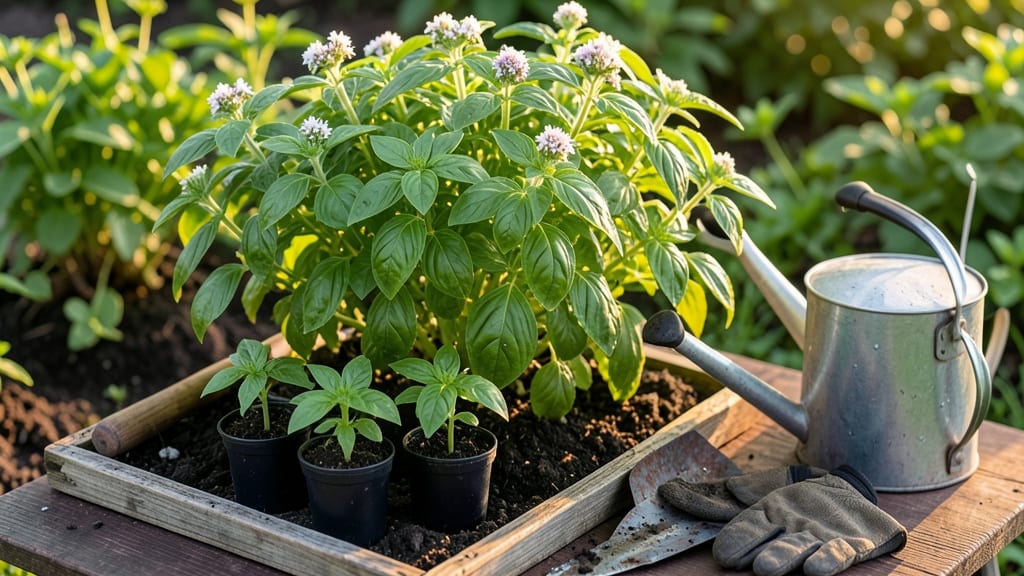
Timing your basil planting in Michigan can mean the difference between a thriving 🌿 herb garden and a sad, frost-nipped disappointment. Since Michigan's USDA Zones 5B-6B bring unpredictable springs, knowing exactly when to plant ensures your basil gets the head start it needs for a flavorful summer harvest.
Most gardeners in Michigan wait until mid-April to late May—after the last frost date—to plant basil outdoors. But if you're eager to get a jumpstart, beginning seeds indoors in March gives you a 3-4 week advantage.
The key is balancing patience with preparation, because basil hates cold soil and will bolt or wilt if planted too soon.
Whether you're a seasoned gardener or just starting, I'll break down the exact dates for your region, plus pro tips for extending your basil's growing season. From transplanting to succession planting, we'll cover everything so you can enjoy fresh basil from June through October—no frost-related heartbreak included.
Ready to grow basil that's bushier, tastier, and more productive than ever? Let's dive into the perfect planting schedule tailored just for Michigan's climate quirks. Your kitchen (and pesto recipes) will thank you!
Optimal basil planting dates in Michigan’s USDA Zones 5B/6A
Michigan’s USDA Zones 5B and 6A create unique challenges for basil growers—cool springs and early frosts demand precise timing. The last average frost date in most of Michigan falls between mid-April (northern regions) and late April (southern regions).
However, basil seedlings can’t handle even light frost, so waiting for consistent soil temperatures above 50°F is critical.
Southern Michigan (e.g., Detroit, Ann Arbor) typically has 2-3 weeks earlier planting windows than northern areas (e.g., Traverse City, Marquette). This difference means gardeners in Zone 6A can often start direct sowing by late April, while those in Zone 5B should wait until early May to avoid frost damage.
| Method | Zone 6A (Southern MI) | Zone 5B (Northern MI) | Key Consideration |
|---|---|---|---|
| Indoor Seed Start | 6-8 weeks before last frost (early March) | 6-8 weeks before last frost (late February) | Use grow lights for 14-16 hours/day to prevent leggy seedlings |
| Direct Sowing | Late April to early May | Early to mid-May | Wait until soil reaches 50°F+ and night temps stay above 45°F |
| Transplanting | Mid-May to early June | Late May to early June | Hardening off seedlings for 7-10 days before transplanting |
| Successive Planting | Every 2-3 weeks until July | Every 2-3 weeks until early August | Extend harvest season by 6-8 weeks |
For direct sowing outdoors, I recommend waiting until after Mother’s Day in most of Michigan—this gives you a 90% chance of avoiding late frosts. However, if you’re eager to start earlier, use biodegradable seed starter pots to transplant seedlings after the last frost date.
This method buys you 2-3 extra weeks of growing time.
Northern Michigan gardeners should prioritize container growing for basil, as it allows you to move pots indoors or under row covers when nighttime temperatures dip below 50°F. Containers also help prevent soil compaction, which basil hates.
I’ve had great success with 5-gallon fabric pots filled with 50% potting mix and 50% compost—this blend drains well while retaining moisture.
One common mistake I see is planting basil too close to the ground. Basil needs 12-18 inches of space between plants to avoid competition. In tight spaces, I recommend dwarf varieties like 'Spicy Globe', which stay compact at 12-15 inches tall and produce abundant leaves without sprawling.
Always check your local Michigan State University Extension frost maps before planting—these provide hyper-localized data that’s far more accurate than general USDA zone guidelines. For example, Grand Rapids (Zone 6A) often has 10-14 days earlier last frost dates than Sault Ste.
Marie (Zone 5B), even though they’re only 200 miles apart.
Pro tip: Mark your last frost date on your calendar using three years of historical data—this accounts for Michigan’s unpredictable weather patterns. I’ve found that adding 7-10 days to the average last frost date gives a safer buffer for basil planting.
Finally, remember that basil bolts quickly in Michigan’s hot summers. To delay flowering, I pinch off flower buds as soon as they appear. This keeps your plants focused on leaf production for 4-6 extra weeks of harvest time.
Optimal basil planting dates in Michigan’s USDA Zones 5B/6A
Michigan’s USDA Zones 5B-6A create a delicate balance for basil growers. The last frost date typically falls between mid-April (Northern Michigan) and early April (Southern Michigan), but your exact timing depends on microclimates. For example, Detroit’s Zone 6A warms faster than Traverse City’s Zone 5B, so adjust accordingly.
Basil thrives when soil temperatures reach at least 50°F (10°C). Using a soil thermometer ensures you don’t plant too early—cold soil stunts growth and invites disease. In my garden, I’ve seen seedlings wilt dramatically when planted before this threshold, even if air temperatures seem mild.
Here’s the breakdown for direct sowing vs. transplanting to maximize your harvest window:
| Method | Zone 5B (Northern MI) | Zone 6A (Southern MI) | Key Tip |
|---|---|---|---|
| Direct Sowing | Late May | Mid-May | Use row covers if frost threatens |
| Transplanting (from indoors) | Early June | Late May | Hardening off seedlings for 7-10 days first |
| Indoor Start (for transplanting) | Early March | Mid-March | Use grow lights if natural light is limited |
| Successive Planting | Every 2 weeks until July 4th | Every 2 weeks until July 15th | Ensures continuous harvest through October |
For Northern Michigan (e.g., Marquette, Sault Ste. Marie), err on the side of caution—wait until June 1st for direct sowing. Southern Michigan gardeners in Ann Arbor or Kalamazoo can push dates back by 1-2 weeks. Always check your local Michigan State University Extension frost date maps for real-time updates.
Pro tip: If you’re in a microclimate (like a sunny south-facing slope), you can plant basil 2 weeks earlier than the general guideline. I’ve seen basil thrive in these spots even when neighboring gardens were still waiting for frost-free days.
Remember, basil’s harvest window is short—once temperatures drop below 50°F (10°C) at night, growth slows dramatically. Planning ahead ensures you enjoy fresh basil from June through October, just in time for fall tomato harvests.