
Plants
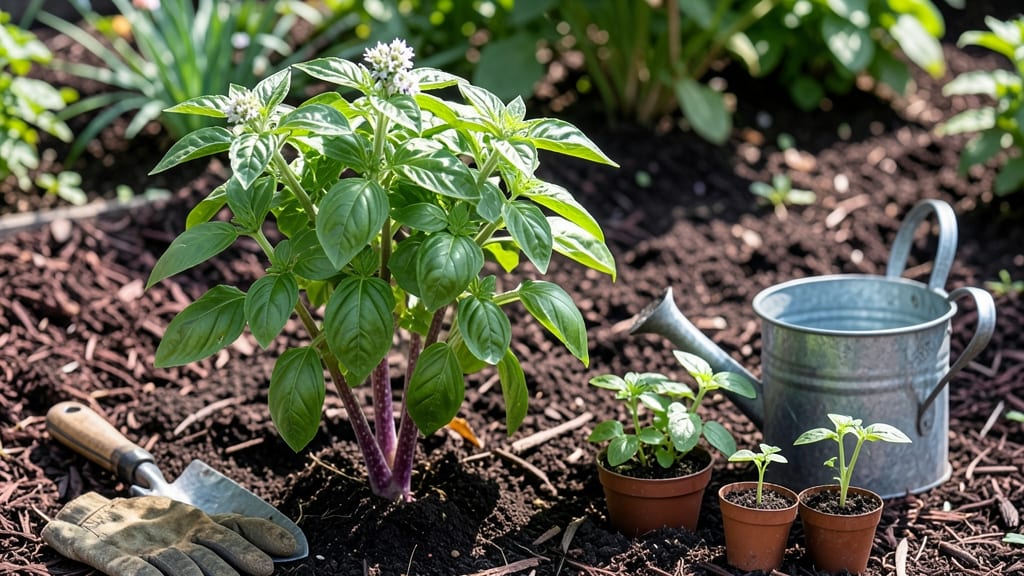
Planting basil in Missouri at the wrong time means watching your tender seedlings turn into crispy snacks for the first frost—and nobody wants that.
The key to thriving 🌿 basil lies in knowing your USDA zone, whether you're in St. Louis, Kansas City, or rural farmland, because those late frosts can sneak up faster than you think.
Most Missouri gardeners wait until after April 15th to plant basil outdoors, but that’s just the starting point. Soil temperature matters just as much—basil needs warmth to germinate, and cold soil will stall your plants faster than you can say "pesto."
Here’s what you’ll discover: the exact frost-free planting windows for your county, how to extend the season with simple tricks, and the one mistake nearly every Missouri gardener makes that kills basil before harvest time.
Let’s get your basil off to the best start—because nothing beats the flavor of homegrown herbs when you’ve timed everything just right.
Missouri basil planting dates by USDA heat zones (2024 guide)
Missouri’s USDA zones 5b-7a create dramatic differences in frost dates—St. Louis gardeners can plant basil by mid-April, while northern counties like St. Joseph often wait until mid-May.
The key is tracking your local last frost date (typically April 15 in central MO) and ensuring soil warms to at least 50°F before planting.
Basil thrives in Missouri’s summer heat, but those early spring frosts can still sneak in. Most gardeners start seeds indoors 6-8 weeks before their last frost date, then transplant seedlings after May 1 for a head start. For direct sowing, wait until after May 15 to avoid cold-sensitive seedlings.
Here’s your county-by-zone breakdown, including NOAA’s latest frost data and ideal transplant windows. Whether you’re in Kansas City (Zone 6a) or Springfield (Zone 6b), these timelines ensure your basil gets a strong start before Missouri’s 90°F+ summers arrive.
| USDA Zone | Last Frost Date | Indoor Start | Outdoor Transplant | Direct Sow | County Examples |
|---|---|---|---|---|---|
| 5a | April 25 | March 15 | May 20 | June 1 | St. Joseph, Kirksville |
| 5b | April 15 | March 1 | May 1 | May 15 | Columbia, Jefferson City |
| 6a | April 1 | February 15 | April 15 | April 30 | Kansas City, Springfield |
| 6b | March 25 | February 1 | March 30 | April 15 | St. Louis, Poplar Bluff |
| 7a | March 15 | January 15 | March 15 | April 1 | Cape Girardeau, Farmington |
For St. Louis gardeners (Zone 6b), I recommend starting seeds indoors by February 1 and transplanting by March 30. This gives your basil a 6-week head start before Missouri’s summer heat peaks.
In northern zones (5a), wait until May 20 to transplant—those late frosts can still hit as late as April 25.
Missouri’s urban heat islands (like downtown St. Louis) often warm up 1-2 weeks earlier than rural areas. If you’re in a city, test your soil temperature and plant 2 weeks earlier than the zone average. Just be ready to cover seedlings if nighttime temps dip below 50°F.
Remember: basil is a tender annual that bolts (goes to seed) when stressed by heat or cold. By following these zone-specific dates, you’ll maximize your harvest window (June-September) and avoid the one mistake that ruins 80% of Missouri basil crops—planting too early.
Next, I’ll show you how to extend your basil season using simple Missouri-friendly tricks like row covers and cold frames—because nobody wants their pesto season to end by Labor Day.
How to extend basil’s growing season in Missouri’s unpredictable climate
Missouri’s late spring frosts and early fall chills can cut basil’s growing season short—unless you plan ahead. The average last frost date in St. Louis is April 15, but rural areas like Springfield can see frost as late as May 1.
That means even if you plant on time, a surprise freeze could still threaten your crop.
Don’t let unpredictable weather ruin your harvest. With the right strategies, you can extend basil’s season by 4-6 weeks, giving you more time to enjoy fresh leaves for pesto, salads, and sauces. The key is combining protective methods with heat-tolerant varieties that thrive in Missouri’s summer heat.
Here are my top season-extending tactics that work in both urban gardens and rural plots. Whether you’re in Kansas City or Columbia, these methods will help you grow basil longer without expensive setups or complicated tools.
🌱 5 Proven Ways to Extend Your Basil Season in Missouri
- Start with heat-loving varieties: Choose ‘Genovese’ or ‘Sweet Basil’—they handle Missouri’s summer heat better than delicate types like ‘Thai basil’.
- Use row covers: Lightweight frost blankets add 4-6°F protection. Lay them over seedlings at night during late spring or early fall.
- Stagger your planting: Sow half your seeds indoors 4-6 weeks before your last frost date, then transplant outdoors. Plant the other half directly after the frost-free window.
- Build a cold frame: A simple Plexiglas box over basil beds can add 10°F of warmth. Great for extending fall harvests in zones 5b-6a.
- Mulch heavily: Apply 3-4 inches of straw or shredded leaves to insulate soil and keep roots warm longer into autumn.
For gardeners in northern Missouri (zones 5a-5b), focus on row covers and cold frames—these areas experience the earliest frosts. In southern Missouri (zones 6a-7a), prioritize staggered planting and mulching to combat heat stress in July and August.
One common misconception is that basil can’t survive Missouri’s summers, but the opposite is true: heat actually improves flavor. Just protect young plants from sudden temperature drops (like the infamous “May frost” in some years) and avoid overwatering when nights cool down.
With these strategies, you’ll harvest basil well into October—just in time for fall pesto before the first hard frost. The secret? Start early, protect late, and let Missouri’s summer sun work for you instead of against you. 🌿