
Plants
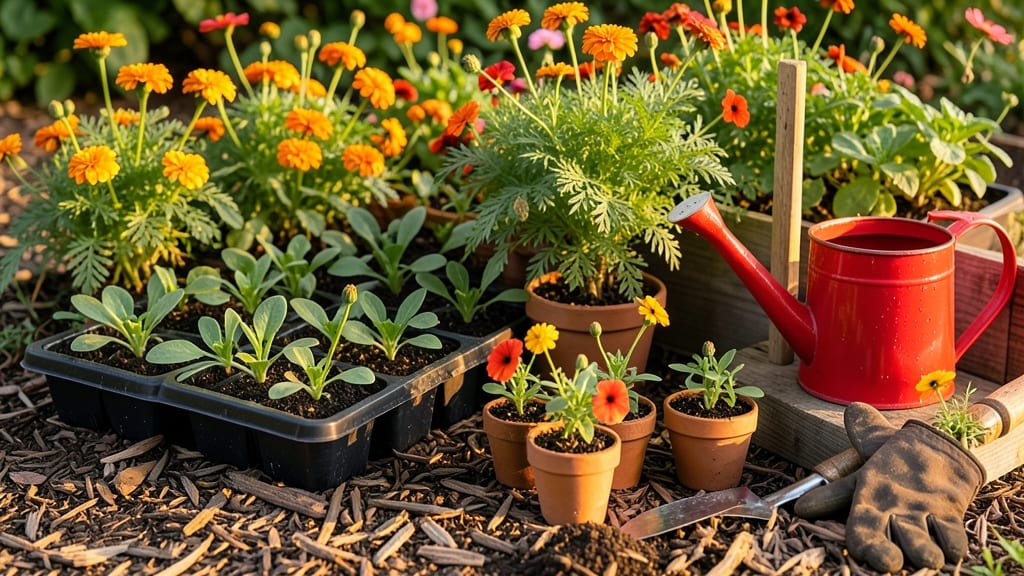
Planting annuals in Maryland isn’t just about grabbing seeds and sticking them in the dirt—it’s about mastering the perfect timing to beat frost and heat waves before they ruin your blooms.
Whether you're in Baltimore’s urban heat islands or Western Maryland’s cooler valleys, getting the dates wrong means the difference between a vibrant garden and a sad, wilted disappointment.
Most gardeners assume "spring" means March or April, but Maryland’s Heat Zones 5-8 demand a more strategic approach. Cool-season annuals like pansies can handle early planting, while heat-lovers like zinnias need to wait until soil warms—usually by mid-May in most regions.
Miss these windows, and you’ll either lose plants to frost or watch them bolt in summer’s sweltering heat.
Here’s the good news: with the right adjustments, you can stretch your annuals’ season from early spring to late fall. I’ll break down exactly when to plant in your specific corner of Maryland, plus pro tips to protect your flowers from unexpected frosts or scorching heat.
Ready to turn your garden into a year-round showstopper?
Let’s dive into the science behind Maryland’s planting deadlines—and how to outsmart Mother Nature’s mood swings. Your future marigolds will thank you.
Maryland heat Zone planting deadlines: exact dates for frost-free annual success
Maryland’s USDA Zones 7a-8a and Heat Zones 5-8 create a patchwork of planting opportunities, but timing is everything for tender annuals. Cool-season varieties like pansies and snapdragons can handle light frosts, while marigolds and zinnias need warmth to thrive.
Missing the window by even a week can mean stunted growth or failed blooms.
Your first step is knowing your last average frost date. In Maryland, this ranges from mid-April in Baltimore to late May in the Appalachian foothills.
Warm-season annuals should wait until soil temperatures hit 60°F+, while cool-season varieties can go in as early as 2-4 weeks before the last frost.
Here’s the key: Heat Zone 5 (Western MD) has a shorter growing season than Heat Zone 8 (Eastern Shore). Adjust your planting schedule accordingly—what works in Annapolis might fail in Cumberland.
| Heat Zone | Last Frost Date | Cool-Season Planting | Warm-Season Planting | Fall Planting Window |
|---|---|---|---|---|
| 5 (Western MD) | May 15 | March 15 - April 15 | May 20 - June 1 | August 1 - September 1 |
| 6 (Central MD) | April 20 | March 1 - April 1 | April 25 - May 15 | July 15 - August 15 |
| 7 (Eastern MD) | April 10 | February 28 - March 31 | April 15 - May 10 | July 1 - August 10 |
| 8 (Eastern Shore) | March 25 | February 15 - March 15 | March 20 - April 10 | June 15 - July 31 |
For warm-season annuals, aim to plant 2-3 weeks after your last frost date. Test soil temperature with a soil thermometer—if it’s below 60°F, wait. Marigolds and cosmos are heat-tolerant and can handle Heat Zone 8’s summer intensity, while petunias may need afternoon shade in Zone 7.
Cool-season annuals like pansies and calendula can handle light frosts down to 25°F. Plant them 4-6 weeks before your first frost for fall color. In Heat Zone 5, this means starting in late August, while Zone 8 gardeners can extend blooms until October.
Pro tip: Use row covers to push early spring plantings 2-3 weeks earlier or protect late-season blooms from unexpected frosts. Monitor local weather—Baltimore’s Inner Harbor often warms 1-2 weeks faster than rural areas due to the urban heat island effect.
If you’re in Zone 7a and want year-round blooms, start warm-season annuals indoors in February for early transplants. Heat Zone 8 gardeners can even try tropical annuals like hibiscus with winter protection.
Remember: Soil temperature matters more than air temperature. A 60°F soil is ideal for warm-season starters, even if daytime highs are in the 70s°F. Use a black plastic mulch to warm soil faster in Zone 5 areas.
For succession planting, schedule 2-week intervals
How to adjust planting times for Maryland’s microclimates: urban vs. rural tips
Maryland’s Heat Zones 5-8 create dramatic differences between Baltimore’s city heat islands and the cooler Appalachian foothills. Even within USDA Zone 7a, your last frost date can vary by 2-3 weeks—critical for tender annuals like marigolds or petunias.
Urban areas like Baltimore and Annapolis often see earlier blooms due to pavement heat, while Western Maryland gardens may need late-May starts for the same plants.
Wind exposure also plays a role—coastal Chesapeake Bay areas experience salty breezes that stress young seedlings, while inland Frederick County gardens face drier, hotter conditions. Microclimates even exist within yards: South-facing walls can add 10°F warmth compared to north-facing beds.
Use these local adjustments to match your garden’s unique conditions.
🌱 Urban Maryland (Baltimore, Annapolis) vs. Rural Maryland (Frederick, Western MD)
- Warmer soil (pavement radiates heat)
- Longer growing season (2-3 weeks earlier)
- More pollinators (city gardens attract bees)
- Drought stress (concrete absorbs rain)
- Wind exposure (tall buildings create gusts)
- Soil compaction (heavy foot traffic)
- Cooler nights (extends bloom time)
- Better soil drainage (less clay)
- Fewer pests (natural predators thrive)
- Later frost risk (mountain valleys)
- More extreme heat (Appalachian sun)
- Limited water access (well systems)
For urban gardeners, start warm-season annuals like zinnias and cosmos by April 15—soil warms faster near sidewalks. Rural gardeners should wait until May 1 or later, especially in mountainous areas where late frosts can linger into May.
Test soil temperature with a thermometer: warm-season plants need 60°F+, while cool-season types like pansies thrive at 50-60°F.
Use shade cloth in hot microclimates (like Frederick) to protect delicate annuals during July heat waves.
In cooler zones, extend fall blooms by planting cold-hardy annuals like stock or calendula as late as September 15. Container gardens also help—pots warm up 2-3 days faster than in-ground beds, giving you earlier planting windows.
Pay attention to wind patterns: Coastal areas (like Chesapeake Bay) need windbreaks for tall annuals such as sunflowers, while inland valleys may experience afternoon heat that stresses petunias.
Adjust watering schedules—urban gardens may need daily watering in summer, while rural areas can often go 3-4 days between waterings due to better soil moisture retention.
My top tip: Keep a gardening journal for 2 years to track your local microclimate. Note when zinnias bolt in July heat or pansies survive October frosts. This data becomes your personalized planting calendar, far more accurate than generalized Heat Zone maps.
With these adjustments, you’ll maximize blooms and minimize losses—no matter where in Maryland you garden! 🌿