
Planting
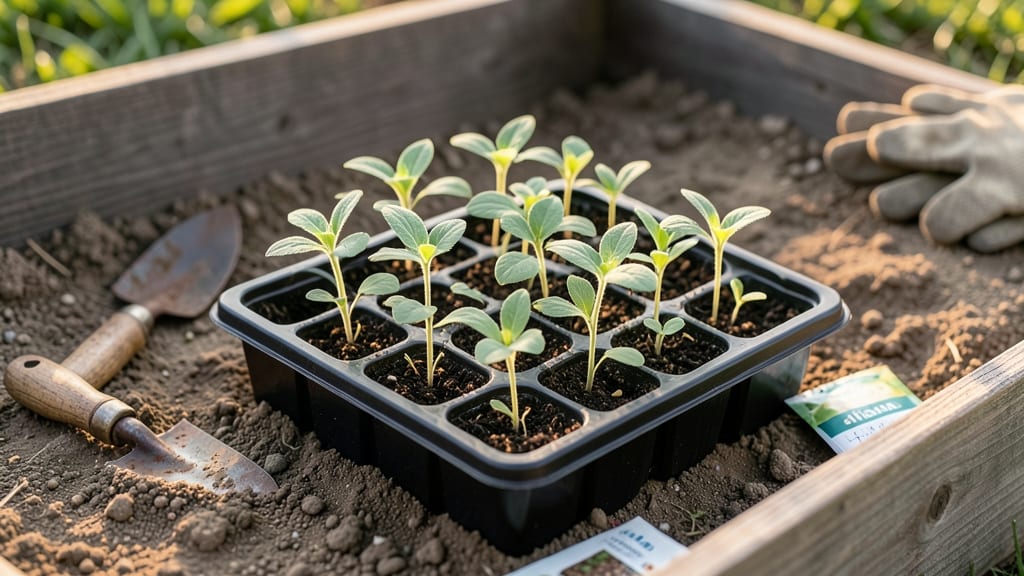
Planting alfalfa at the wrong time in spring can mean the difference between a thriving, nitrogen-rich crop and wasted seeds. This hardy perennial 🌱 needs precise timing to establish strong roots before summer heat sets in, and getting it right makes all the difference for your soil and future harvests.
Most gardeners in USDA Zone 6 should aim for early to mid-spring planting, typically between late March and early April, when soil temperatures hit 50°F+. But here's the catch: cooler climates need to wait until after the last frost, while warmer regions can plant later without risking cold damage.
I've learned the hard way that rushing alfalfa into cold soil leads to slow germination and weak starts. The key is balancing frost risk with warm enough conditions for those tiny seeds to sprout quickly. Let me show you exactly how to time it right for your climate.
Beyond the calendar, you'll need to check soil readiness and spacing strategies to ensure fast, healthy growth. Whether you're planting in raised beds or a backyard garden, these tips will help you avoid common mistakes and get your alfalfa off to a strong start.
Optimal spring planting dates for alfalfa by USDA hardiness zones
Alfalfa thrives when planted at the right time in spring, but the perfect window depends on your USDA hardiness zone. In colder zones (3-5), aim for early April when soil warms to 50°F+.
Warmer zones (7-9) can start as early as late February to avoid summer heat stress. The key is planting after the last frost but before soil temperatures exceed 75°F.
Northern gardeners in zones 1-4 should wait until mid-May to ensure frost-free conditions. Southern gardeners in zones 10+ can plant as early as January, but avoid extreme heat that slows germination. Always check your local frost dates—alfalfa seeds won’t sprout in cold, wet soil.
Here’s how to align your planting with your zone for fast establishment and strong root growth:
| USDA Zone | Ideal Planting Window | Soil Temp Threshold | Key Consideration |
|---|---|---|---|
| Zones 1-4 | Mid-May to early June | 50-55°F | Wait for last frost; use row covers |
| Zones 5-6 | Early to mid-April | 55-60°F | Plant after soil warms; avoid soggy soil |
| Zones 7-8 | Late February to March | 60-65°F | Avoid summer heat; mulch to retain moisture |
| Zones 9-10 | January to early February | 65-70°F | Plant early to escape summer drought |
For container gardening, adjust timing by 2-3 weeks later—pots heat up faster and dry out quicker. If you’re in a high-altitude area (e.g., Denver, Colorado), plant 1-2 weeks after your zone’s recommended date to account for cooler nights.
Pro tip: Use a soil thermometer to confirm readiness. Alfalfa seeds need consistent warmth to germinate—don’t rush! If your soil is below 50°F, wait or use a cold frame to speed up warming.
In community gardens, coordinate with neighbors to plant alfalfa in blocks—this creates a microclimate that retains heat and moisture, giving seeds a better chance to establish. Just avoid planting near shady trees or low-lying areas where cold air pools.
Remember, alfalfa’s nitrogen-fixing roots take time to develop. Planting too early risks frost damage or rotten seeds, while planting too late may lead to stunted growth before winter. Strike the balance for a lush, productive crop.
Once you’ve nailed the timing, focus on soil prep—alfalfa demands well-drained, slightly acidic soil (pH 6.5-7.0). Test your soil in early spring to adjust phosphorus and potassium levels before planting.
After planting, keep seeds moist but not soggy—alfalfa hates waterlogged soil. Mulch with straw or grass clippings to lock in moisture and regulate soil temperature. With the right timing and care, your alfalfa will thrive all summer.
Optimal spring planting dates for alfalfa by USDA hardiness zones
Alfalfa thrives when planted at the right time in spring—too early and frost will kill tender seedlings, too late and summer heat stresses young roots. The ideal window depends on your USDA hardiness zone, with soil temperatures above 50°F being critical for germination.
In northern zones (3-6), aim for early April to mid-May, while southern zones (7-10) can start as early as February.
For Zone 3-5 gardeners, wait until after the last frost date (typically late April) and test soil warmth with a soil thermometer.
In Zone 6-8, you can plant 2-4 weeks earlier since milder winters allow earlier warming. Zone 9-10 gardeners should plant in late winter to avoid summer drought stress.
🌱 Alfalfa Planting Timeline by Zone
| Zone | Last Frost Date | Planting Window | Soil Temp Threshold |
|---|---|---|---|
| 3-5 | Mid-April | Early April–Mid-May | 50°F+ |
| 6-8 | Late March | March–Early May | 55°F+ |
| 9-10 | None | Late Feb–Early April | 60°F+ |
Pro tip: Use a seedling heat mat in cooler zones to jumpstart germination if planting early. In warmer climates, opt for late winter sowing to avoid summer dormancy. Always mulch lightly after planting to retain moisture and regulate soil temperature.
For container gardening, plant alfalfa 2-3 weeks earlier than ground planting since pots warm faster. In raised beds, soil warms 1-2 weeks ahead of in-ground areas, so adjust your timeline accordingly. Monitor local weather forecasts for unexpected cold snaps—alfalfa seedlings can’t handle frost!
Remember: Alfalfa’s nitrogen-fixing roots take time to establish. Planting too late in spring may delay this process, leaving your soil less enriched. Aim for 60-70 days of growth before the first frost to ensure robust root development.
🌱