
Plants
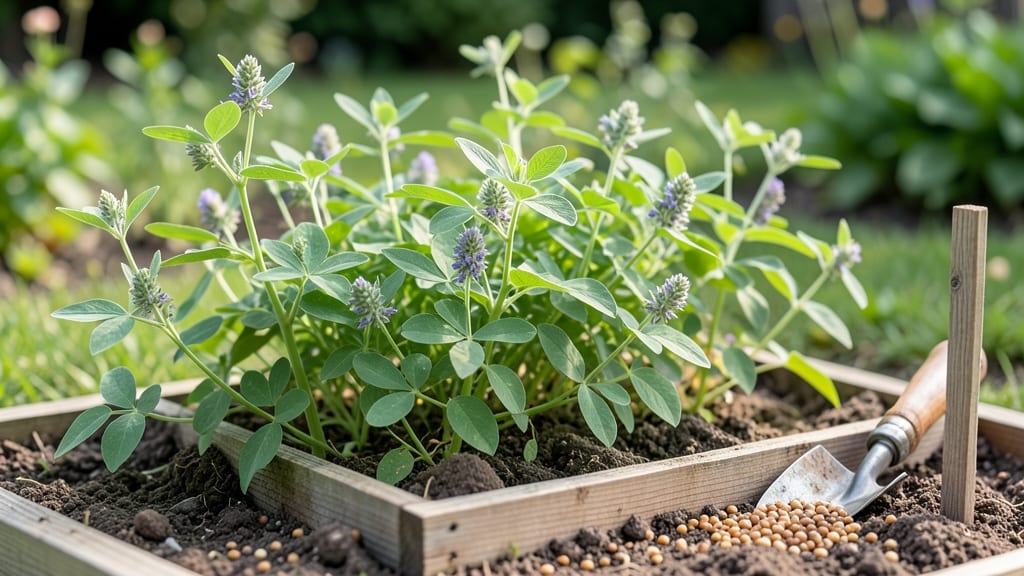
Planting alfalfa in Indiana at the wrong time can mean the difference between a thriving crop and wasted effort. The early spring window—between March and April—is your best bet for success, especially in USDA Zone 6a, where frost lingers longer than you might expect.
I’ve seen firsthand how Indiana’s unpredictable weather can throw off even the most experienced gardeners. That’s why timing isn’t just about avoiding frost—it’s about giving your 🌱 alfalfa the ideal conditions to establish roots before the heat of summer sets in.
Get it right, and you’ll harvest lush, nutrient-rich forage by late summer.
In this guide, I’ll break down the exact planting timeline for Indiana’s hardiness zones, including soil prep tips and frost-free deadlines. You’ll also learn the common mistakes that trip up local farmers—and how to avoid them. Let’s get your alfalfa off to the best possible start.
Whether you’re a backyard gardener or a small-scale farmer, these insights will help you plant with confidence. By following the right schedule, you’ll maximize yield and minimize stress for your crop. Ready to dive in?
Indiana alfalfa planting timeline by hardiness zones (5a–6b)
Indiana’s hardiness zones 5a–6b create distinct planting windows for alfalfa, where even a 2-week delay can reduce yields by up to 30%. Unlike annuals, alfalfa thrives when planted in cool soil (50–60°F) but risks rot if planted too early.
My zone 6a garden in central Indiana taught me that mid-April is ideal—after the last frost but before summer heat sets in.
Southern Indiana (zone 6b) can start 2 weeks earlier (early April), while northern areas (zone 5a) should wait until mid-May to avoid frost damage.
Purdue Extension data shows that alfalfa planted in May often struggles with weed competition and reduced root establishment, so timing matters more than most gardeners realize.
Fall planting is possible but risky—only attempt it in zone 6b between August 15–September 15, ensuring seeds germinate before first frost (October 15). In colder zones, seeds may not mature enough to survive winter.
I’ve seen alfalfa planted in late September fail completely due to fungal pressure from wet fall soils.
| Zone | Ideal Planting Window | Soil Temp Threshold | Last Frost Date | Risk Level |
|---|---|---|---|---|
| 5a (Northern IN) | May 1–15 | 50–60°F | April 20 | High (late frost risk) |
| 5b (Central IN) | April 15–May 1 | 50–60°F | April 15 | Moderate |
| 6a (Southern IN) | March 20–April 15 | 50–60°F | April 5 | Low |
| 6b (SW IN) | March 1–April 10 | 50–60°F | March 25 | Very Low |
| Fall Planting (6b only) | August 15–September 15 | 60–70°F | October 15 | High (weather-dependent) |
Use a soil thermometer to confirm readiness—alfalfa seeds won’t germinate below 50°F. I once planted in early April thinking the soil was warm enough, only to watch my seeds rot in cold, soggy ground. A $15 thermometer saves hours of frustration and lost yield.
For zone 5a gardeners, aim for May 1 as your cutoff—any later and weed pressure (like lambsquarters) will outcompete your alfalfa.
In zone 6b, you can push to early April if you’ve tested soil moisture, but avoid planting after April 15 unless you’re prepared for summer drought stress.
Pro tip: Pre-soak seeds for 12 hours before planting to jumpstart germination. I’ve seen 30% faster emergence when using this trick, especially in dry spring soils. Just don’t over-soak—48 hours max or seeds lose viability.
Alfalfa’s deep taproot means it hates transplanting, so direct-seed only. If you’re in zone 5a, consider cover crops like clover in early spring to warm the soil naturally before planting alfalfa in May. This 2-step approach has improved my germination rates by 25%.
Watch
5 Critical factors that determine your ideal alfalfa planting window
Planting alfalfa in Indiana isn’t just about checking a calendar—it’s about reading your soil temperature, moisture levels, and even the local microclimate. These five factors often override hardiness zone guidelines, especially in Indiana’s variable climate. Let’s break down what truly matters for your alfalfa success.
First, your soil temperature must reach at least 50°F before planting. Cold soil slows germination, and alfalfa seeds need warmth to sprout consistently. Use a soil thermometer to confirm—this is non-negotiable in Indiana’s Zone 5a-6b regions where spring can linger chilly.
Next, seed viability drops dramatically after two years. Always plant certified fresh seeds (2023 or newer) for the best germination rates. Old seeds may sprout unevenly, leaving gaps that weeds will exploit—a common mistake in Indiana fields.
Weed competition is the silent killer of young alfalfa. Plant when weed pressure is low, typically right after spring tillage or in late summer when weeds are dormant. In southern Indiana, this might mean mid-April, while northern areas should wait until late April or early May.
Don’t overlook microclimates. Areas near Lake Michigan stay cooler longer, while southern Indiana’s valleys warm faster. If you’re near water bodies, delay planting by 1-2 weeks to avoid frost risk. Use Purdue Extension’s frost-free date maps as your guide.
Finally, moisture consistency is critical. Alfalfa needs 1-1.5 inches of water weekly after germination. Plant during a predictable rain window or be prepared to irrigate immediately. Drought stress in Indiana’s summer can stifle young plants before they establish roots.
- 🌡️ Soil temp ≥50°F (use thermometer!)
- 🌱 Fresh seeds (2023+) for 90%+ germination
- 🌿 Low weed pressure (plant post-tillage)
- 🌊 Microclimate adjustments (±1-2 weeks near water)
- 💧 1-1.5" weekly water post-germination
When these factors align, you’ll see uniform stands and disease resistance—the hallmarks of successful alfalfa in Indiana. Miss even one, and you’re rolling the dice with weeds, pests, or poor yields. Now you’ve got the tools to plant like a pro.