
Planting
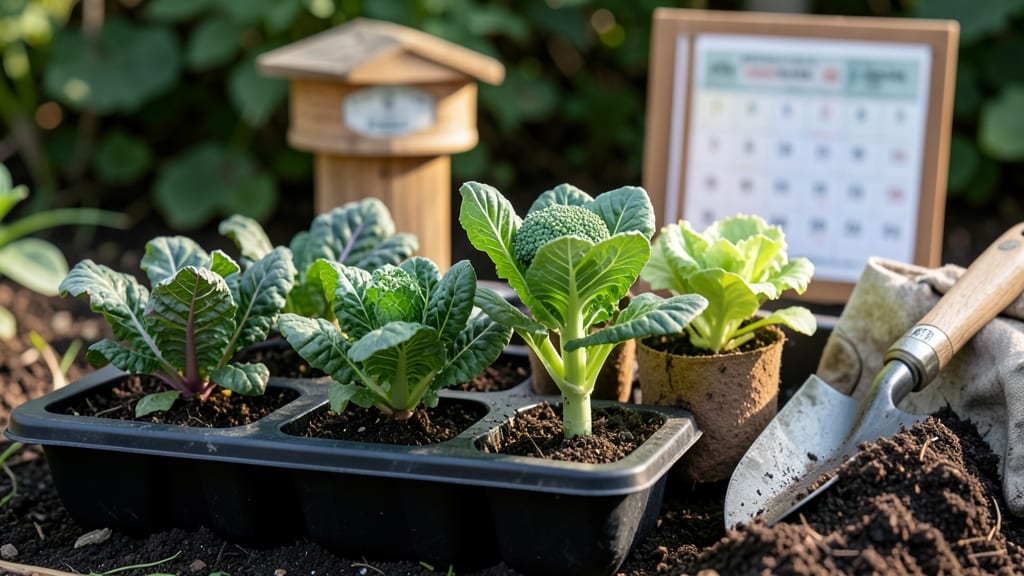
Planting a vegetable garden in Seattle isn’t just about grabbing seeds and sticking them in the dirt—it’s about mastering the perfect timing to beat the region’s unpredictable weather and maximize your harvest.
With its cool summers, rainy springs, and late frosts, Seattle demands a precise schedule that most planting guides overlook.
If you’ve ever watched your seedlings wilt in a surprise chill or your tomatoes struggle to ripen, you know how critical seasonal planning is.
The key lies in understanding when to start seeds indoors, when to transplant seedlings, and which crops thrive in Seattle’s 8a climate—all while working around the city’s famous April 15 last frost date.
I’ll break down the exact planting windows for everything from cold-hardy greens to heat-loving tomatoes, so you can avoid common mistakes and extend your harvest well into fall. Whether you’re a first-time gardener or a seasoned green thumb, these insights will help you grow like a pro.
Ready to turn your 🌱 vegetable garden into a year-round success? Let’s get started with the timing secrets that work in Seattle’s unique conditions.
Seattle’s planting zones: when to start seeds indoors vs. outdoor transplanting dates
Seattle’s USDA Zone 8a/8b climate creates a unique gardening challenge—cool, wet springs and mild summers demand precise timing. The average last frost date is around April 15, but microclimates (like urban heat islands or sheltered spots) can shift this by 1-2 weeks.
Warm-season crops like tomatoes and peppers need soil temperatures above 55°F to thrive, while cool-season crops (spinach, kale) tolerate frost down to 20°F. Planning your indoor seed-starting schedule 4–8 weeks before transplanting ensures seedlings are ready when conditions align.
For cool-season vegetables, I recommend starting seeds indoors 6–8 weeks before your target transplant date. For example, if you’re aiming to plant lettuce outdoors on March 15, begin seeds indoors around January 20. This head start helps seedlings outpace Seattle’s slow soil warming in early spring.
Warm-season crops, however, need a 4–6 week indoor start—think tomatoes or basil seeded in early March for outdoor transplanting after May 1, once nighttime temperatures stabilize above 50°F.
| Stage | Action | Notes |
|---|---|---|
| Indoor Seed Start (Cool Crops) | January 20 – March 1 | Spinach, kale, peas |
| Indoor Seed Start (Warm Crops) | March 1 – April 15 | Tomatoes, peppers, basil |
| Outdoor Transplant (Cool Crops) | March 15 – April 30 | Hardy greens, root veggies |
| Outdoor Transplant (Warm Crops) | May 1 – June 1 | Soil temp ≥55°F |
| Direct Sow (Cool Crops) | March 1 – April 15 | Peas, carrots, radishes |
| Direct Sow (Warm Crops) | May 15 – June 15 | Beans, corn, cucumbers |
Seattle’s rainy springs can delay soil warming, so I always monitor soil temperature with a thermometer. For warm-season crops, wait until the soil reaches 60°F at 4 inches deep—this usually happens by late May.
If you’re impatient, use black plastic mulch or row covers to warm the soil faster. For cool-season crops, direct sow as soon as the ground is workable (typically March), even if frost is still possible.
These varieties often bolt (go to seed) in Seattle’s long summer days, so succession planting every 2 weeks keeps harvests steady.
One of my biggest lessons? Adjust for elevation. Areas like Ballard or Fremont (higher elevation) may have 1–2 weeks later last frost dates than South Lake Union or West Seattle. Check local Cooperative Extension Service updates or use a frost calendar app to fine-tune your schedule.
For example, if you’re in Zone 8b (warmer microclimates), you might transplant tomatoes by mid-April, while Zone 8a gardeners should wait until May 1.
Don’t overlook fall planting—Seattle’s mild winters allow for cool-season crops like kale and carrots to thrive until November. Start seeds indoors in July for transplanting in August, aiming to harvest before the first frost (October 15).
This strategy maximizes your garden’s productivity and reduces winter grocery bills.
Pro tip: Use seedling trays with heat mats to jumpstart warm-season crops. I’ve had great success with peppers and eggplants by starting them indoors in February under grow lights, then transplanting after June 1 when nights stay above 55°F.
This extends the growing season for heat-loving plants that otherwise struggle in Seattle’s cool summers.
Finally, keep a gardening journal to track your local frost dates and soil conditions. Over time, you’ll notice patterns—like how 2023’s late spring rains delayed my cucumber planting by 3 weeks. Adjusting
Cold-hardy vegetables for Seattle: best varieties and their exact planting windows
Seattle’s cool, wet climate makes cold-hardy vegetables your best bet for early spring and fall harvests. These varieties thrive when most gardens are still too cold for warm-season crops, giving you a head start on fresh produce.
I’ve tested these top performers in my own garden, and they consistently deliver even in Seattle’s unpredictable weather.
For spring planting, focus on varieties that tolerate light frosts and cool soil. My go-to list includes ‘Sugar Snap’ peas, ‘Winterbor’ kale, and ‘Tyee’ broccoli, all of which can handle temperatures down to 25°F.
These crops can be sown directly into the garden as early as late February to early March, giving you a harvest by May.
For fall planting, these same varieties can be sown again in late August to early September to take advantage of Seattle’s mild autumns. I’ve had success with ‘Winterbor’ kale and ‘Tyee’ broccoli lasting well into November, even after light frosts.
The key is to succession plant every 2–3 weeks to ensure a continuous harvest.
Don’t overlook green onions and radishes, which are quick growers and perfect for filling gaps in your garden. They can be sown directly in late February or August, with harvests in as little as 30–40 days.
These crops are forgiving and adapt well to Seattle’s cool, damp conditions, making them ideal for beginners.
Pro tip: Use row covers or cold frames to extend the growing season for these cold-hardy crops. I’ve pushed my spinach harvests into December by adding a simple hoop tunnel, and the flavor is sweeter after a light frost.
With the right timing and a few protective tools, you can enjoy fresh vegetables year-round in Seattle.