
Trees
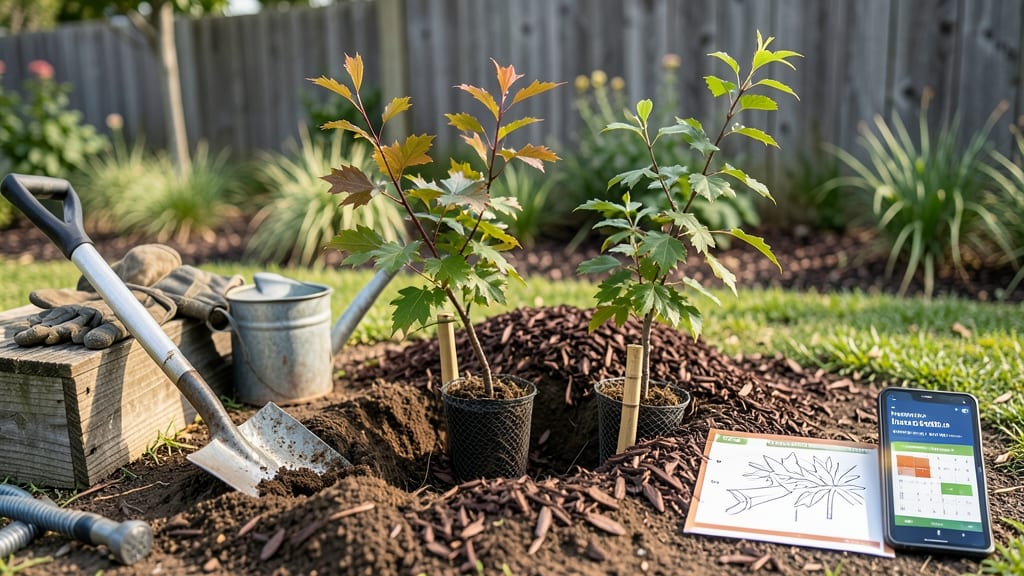
Planting a tree in Indiana at the wrong time can mean the difference between decades of shade and a struggling sapling that never thrives. With Indiana’s USDA Zones 5b-6b climate, timing is everything—so when exactly should you plant your 🌳 to give it the best shot at success?
Most gardeners know spring is ideal, but did you realize fall offers an equally strong window for root establishment? The key lies in avoiding extreme temperatures—planting too early in spring risks frost damage, while waiting too late in fall leaves your tree vulnerable before winter sets in.
In this guide, I’ll break down the exact deadlines for both seasons, including soil prep tips and how to choose between deciduous and evergreen species. Whether you’re adding shade to your yard or restoring native forests, these insights will help your trees take root with confidence.
Ready to plant? Let’s dive into the science behind Indiana’s planting windows and how to make your trees thrive for years to come.
Ideal planting windows for Indiana trees: spring vs fall deadlines
Indiana’s USDA Zones 5b-6a create a unique window for tree planting, where timing directly impacts survival rates. The two best times to plant trees in Indiana are early spring (March-April) and fall (October-November), when soil temperatures are cool and moisture levels are ideal for root establishment.
Spring planting gives trees a full growing season to establish roots before summer heat arrives, while fall planting allows roots to grow undisturbed in cool soil before winter dormancy. Both seasons avoid the extreme stress of summer droughts or freezing winter conditions.
Northern Indiana (Zone 5b) has earlier frost dates than southern Indiana (Zone 6a), so adjust your planting timeline accordingly. For example, north-central Indiana should aim for early April planting, while southern Indiana can wait until mid-April.
| Season | Best Months | Soil Temp | Key Benefits |
|---|---|---|---|
| Spring | March-April | 40-60°F | Full growing season ahead; avoids summer drought stress |
| Fall | October-November | 50-65°F | Cool roots establish before winter; less competition for water |
| Avoid | June-August | 70°F+ | Extreme heat and drought stress young roots |
| Avoid | December-February | Below freezing | Frozen ground prevents root growth; risk of winter dieback |
For bare-root trees, spring planting is ideal because they can be planted as soon as the ground is workable (typically late March in southern Indiana and early April in northern areas).
Container-grown trees, however, offer more flexibility and can be planted up to two weeks before or after these ideal windows.
Fall planting should wrap up by mid-November in northern Indiana and late November in southern regions to allow roots to establish before the first hard frost. A good rule of thumb is to plant trees 6-8 weeks before your area’s first average frost date.
Indiana’s microclimates can vary significantly even within short distances. Urban areas like Indianapolis often experience heat islands that delay frost by 1-2 weeks, while rural areas may see frost earlier. Check your local Cooperative Extension office for precise frost date data tailored to your county.
When selecting a planting date, also consider your tree’s species and size. Smaller, fast-growing trees like silver maples can handle a wider planting window, while slow-growing oaks benefit most from the extended root growth of fall planting.
Always avoid planting during extreme weather events, such as heatwaves or heavy rains, as these conditions can compact soil or cause erosion, making it difficult for roots to establish properly.
Pro tip: Use a soil thermometer to monitor ground temperatures. Ideal planting conditions exist when soil temps are between 40-65°F—this ensures roots grow actively without the stress of extreme heat or cold.
Ideal planting windows for Indiana trees: spring vs fall deadlines
Indiana’s USDA Zones 5b-6a create a narrow window for planting trees, where timing directly impacts survival rates. The two best seasons are early spring and fall, but each has critical deadlines to avoid stress from extreme temperatures or drought.
For spring planting, aim for March through mid-April—before the last frost (typically around April 15). This gives roots time to establish before summer heat arrives. Fall planting, however, must finish by mid-to-late October to allow roots to harden before winter dormancy.
Northern Indiana (Zone 5b) has slightly earlier deadlines—plant by April 1 in spring or October 1 in fall—while southern Indiana (Zone 6a) can stretch deadlines to April 15 and October 15.
Soil temperature is your best guide: roots need 40°F+ soil to grow. Use a soil thermometer to confirm—planting too early in cold soil can stunt root development.
| Season | Ideal Months | Deadline | Soil Temp | Key Risk |
|---|---|---|---|---|
| Spring | March–Mid-April | April 15 (Zone 6a) | 40°F+ | Late frost damage |
| Fall | October–Mid-Nov | October 15 (Zone 5b) | 50°F+ | Early freeze |
Bare-root trees thrive in early spring when soil is workable but not frozen. Container-grown trees, however, tolerate fall planting better because their roots won’t dry out as quickly. Always water deeply after planting—15–20 gallons per tree—to encourage root spread.
Missed the window? December planting is possible in mild winters, but avoid planting in January–February when frozen ground prevents root establishment. For container-grown trees, even late fall (November) can work if soil isn’t frozen.
Pro tip: Mulch heavily (3–4 inches) after planting to retain moisture and regulate soil temperature. Use shredded bark or wood chips, keeping mulch 6 inches away from the trunk to prevent rot.