
Plants
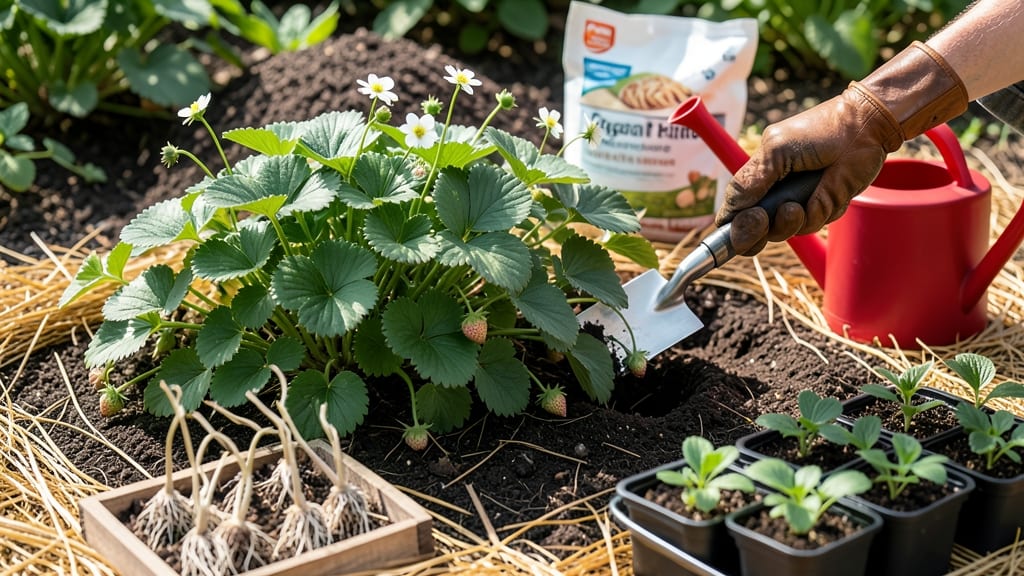
Planting strawberries in Texas isn't just about timing—it's about outsmarting the state's brutal heat and unpredictable freezes. The wrong window could mean your 🍓 plants bolt in summer or freeze overnight, leaving you with nothing but frustration.
I've learned the hard way that Texas gardeners need a heat-zone strategy—fall planting in North Texas (like Zone 6a) works best in October, while South Texas (Zone 10a) can handle early spring starts in February. But here's the kicker: soil temperature matters just as much as calendar dates.
Whether you're a first-time grower or a seasoned gardener, this guide will show you exactly when to plant for maximum yields. We'll cover the best varieties for your region, how to protect your crop from Texas extremes, and even how to stretch your harvest season.
Ready to grow strawberries that actually survive Texas summers? Let's dive into the perfect planting windows and proven techniques that work—no guesswork required.
Texas heat-Zone planting calendar: exact months for strawberry success
Texas stretches across three distinct heat zones (A, B, C), each with unique frost risks and planting windows for strawberries. Zone A (North Texas) faces harsher winters, while Zone C (South Texas) enjoys milder conditions. Understanding these differences ensures your strawberries thrive year-round.
For June-bearing varieties, plant in fall (October-November) to establish roots before winter. Everbearing and day-neutral types can handle spring (February-March) planting but need protection from late frosts. Let’s break down the exact timing for each zone.
| Heat Zone | Last Frost Date | Best Planting Window | Soil Temp Requirement | Variety Recommendation |
|---|---|---|---|---|
| Zone A (North TX) | Feb 15 | Oct 1 - Nov 15 | 45-55°F | Chandler (June-bearing) |
| Zone B (Central TX) | Jan 31 | Sep 15 - Nov 1 | 50-60°F | Seascape (Everbearing) |
| Zone C (South TX) | Jan 1 | Sep 1 - Oct 31 | 55-65°F | Camarosa (Day-neutral) |
In Zone A, strawberries must be planted 4-6 weeks before the first frost (around October 1) to establish roots. North Texas’ harsh winters demand cold-hardy varieties like Chandler, which survive 15°F without protection. Use straw mulch (3-4 inches) to insulate roots.
For Zone B, extend your planting window to September 15 for fall crops. Central Texas’ warmer winters allow everbearing varieties like Seascape to produce fruit twice yearly. Test soil temperature with a soil thermometer—plant only when it reaches 50°F.
In Zone C, South Texas’ mild winters let you plant as late as October 31. Day-neutral varieties like Camarosa thrive year-round but need shade cloth (30-50%) during 100°F+ summers. Avoid planting in July-August when soil temps exceed 85°F.
Spring planting in Texas is riskier due to late frosts (even in March). If planting in February-March, use frost cloth and monitor local weather alerts. Everbearing varieties are your best bet for spring harvests—they tolerate cooler temps better than June-bearing types.
Pro tip: Pre-chill bare-root plants for 2-3 weeks at 35-40°F before planting in spring. This mimics winter dormancy and jumpstarts growth. Store plants in a plastic bag with moist peat moss in your fridge’s crisper drawer.
Soil temperature is critical—use a soil thermometer to confirm 45-65°F before planting. Cold soil stunts root growth, while hot soil (above 85°F) causes rot. Amend heavy clay soil with compost and perlite to improve drainage.
After planting, water deeply (1-2 inches per week) and apply 2-3 inches of mulch to retain moisture. Texas summers dry out soil fast, so drip irrigation is ideal. Avoid overhead watering to prevent fungal diseases like gray mold.
Remember: Strawberries need 6-10 hours of sun daily, but afternoon shade helps in 100°F+ heat. Train vines to spread outward using hanging baskets or strawberry pots for better airflow and pest control.
How to extend your Texas strawberry season: fall vs spring planting strategies
Texas's unpredictable weather—with sudden freezes in winter and scorching summers—makes strawberry planting a high-stakes game. But with the right strategies, you can extend your harvest window by up to 3 months.
The key? Choosing between fall planting (for early spring harvests) or spring planting (for summer yields) while protecting plants from extremes.
Fall planting is my top recommendation for Texas gardeners because it lets strawberries establish roots before winter chill. But spring planting works too—if you time it right and shield plants from heat stress. Let’s break down the pros, cons, and critical protection methods for each approach.
🍓 Fall vs. Spring Strawberry Planting in Texas
| Factor | Fall Planting | Spring Planting |
|---|---|---|
| Best Months | October–November | February–March |
| Harvest Window | April–June | June–August |
| Key Challenge | Winter freezes | Summer heat |
| Protection Needed | Mulch + row covers | Shade cloth + drip irrigation |
| Soil Prep | Amend with compost | Test pH (5.5–6.8) |
For fall planting, aim to get plants in the ground 4–6 weeks before the first frost (typically late October in North Texas, early November in South Texas). This gives roots time to establish before winter.
Use 3–4 inches of mulch (straw or pine needles) to insulate soil and prevent freeze damage. If temperatures drop below 20°F, cover plants with frost blankets or old sheets.
Spring planting demands even more precision. Plant after the last frost date (usually mid-February in North Texas, January in South Texas) but before soil temps hit 80°F. Here, shade cloth (30–50%) becomes your best friend—it blocks excessive heat while allowing light.
Pair it with drip irrigation to keep roots cool and moist. Avoid overhead watering, which can spread fungal diseases in Texas’s humidity.
Pro tip: If you’re in South Texas (Zone 9–10), you can even plant year-round with minimal protection. But in North Texas (Zone 7–8), stick to fall or early spring to avoid summer’s brutal heat. The right strategy turns Texas’s extremes into your strawberry garden’s advantage.
🌱