
Plants
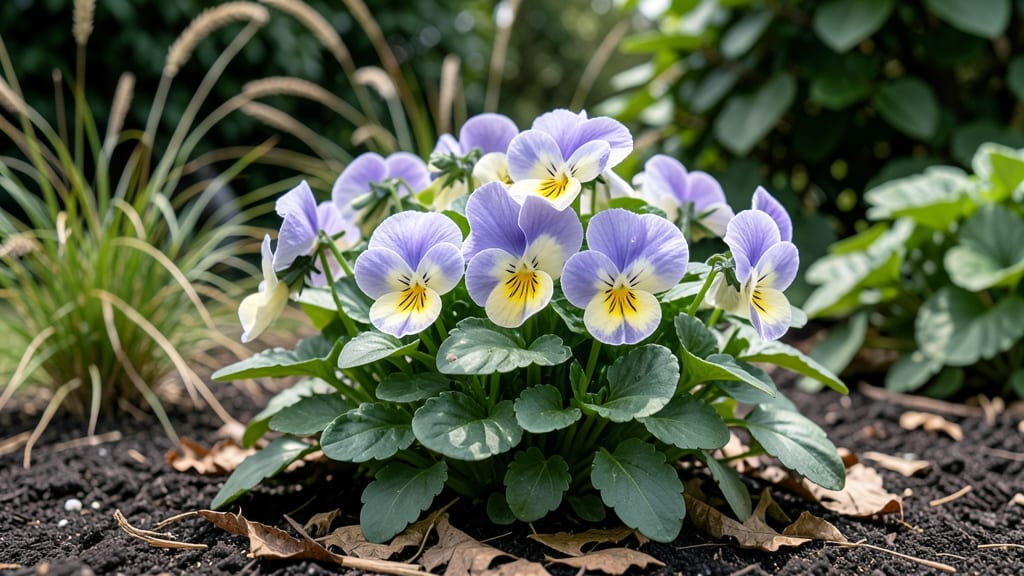
Planting pansies in Georgia at the wrong time can mean watching your vibrant blooms struggle through winter instead of thriving. The best time to plant pansies in Georgia is actually a two-part strategy: early fall for bold color before winter sets in, and late winter for a springtime pop.
With Georgia’s 7b-8b climate, you’ve got a unique advantage—mild winters that let pansies shine year-round. But timing matters: sow seeds or transplants 4-6 weeks before the first frost (typically September-October) to give roots time to establish before cold snaps hit.
Don’t stop there—late winter planting (January-February) ensures fresh blooms just as spring arrives. Whether you’re in Atlanta’s Piedmont or Savannah’s coastal zone, these windows maximize your 🌸 pansy’s resilience and beauty.
Ready to transform your garden? I’ll walk you through soil prep, spacing tricks, and how to protect your pansies from Georgia’s occasional frost—so you can enjoy color from fall through spring without the guesswork.
Optimal Georgia pansy planting times: fall vs. spring for maximum blooms
Georgia’s USDA Zones 7b-8b offer two perfect windows to plant pansies—fall and spring—but timing is everything. Fall planting yields earlier, longer-lasting blooms, while spring gives a second chance for summer color. Let’s break down the best months, temperature ranges, and microclimate adjustments for your region.
For fall planting, aim for September through early November—this gives pansies time to establish roots before winter. In Zone 7b (North Georgia), plant by mid-October to avoid early frosts. In Zone 8b (South Georgia), you can extend planting until late November thanks to milder winters.
Spring planting should happen January through early March to beat the heat. Early January plantings in Zone 8b will bloom by Valentine’s Day, while North Georgia gardeners should wait until late February to avoid winter freezes. Both windows rely on soil temperatures above 50°F for root growth.
🌸
| Planting Window | Ideal Months | Temperature Range | Bloom Time | Georgia Microclimate Notes |
|---|---|---|---|---|
| Fall Planting | September–November | 50–75°F | October–March | Zone 7b: Plant by mid-October; Zone 8b: Extend to late November. |
| Spring Planting | January–March | 50–70°F | March–May | Zone 8b: Early Jan; Zone 7b: Late Feb to avoid frost. |
Why does fall planting win for most Georgia gardeners? Pansies thrive in cool weather and bloom prolifically when days shorten. Planting in September gives them 8–10 weeks to establish roots before winter, ensuring vibrant flowers by November that last through March in most areas.
In Atlanta (Zone 7b), aim for September 15–October 15 to avoid early frosts that can damage young plants. Meanwhile, Savannah (Zone 8b) gardeners can push planting until November 15, thanks to its warmer coastal climate.
Use frost dates as your guide: plant 4–6 weeks before the average first frost.
Spring plantings are ideal for replenishing beds after winter or adding early-season color. For best results, choose cold-hardy varieties like ‘Matrix’ or ‘Cool Wave’, which tolerate light frosts.
In Zone 7b, wait until late February to avoid January freezes, while Zone 8b can start as early as January 1.
Pro tip: Use mulch after planting to regulate soil temperature and retain moisture. A 2–3 inch layer of straw or pine needles protects roots in winter and suppresses weeds. In South Georgia, where humidity is higher, opt for well-draining soil mixes to prevent fungal issues.
🌿
Optimal Georgia pansy planting times: fall vs. spring for maximum blooms
Georgia’s 7b-8b climate gives you two prime windows to plant pansies: early fall for winter-long color and late winter for spring blooms. The key is planting 4-6 weeks before the first frost—typically mid-September to October—to let roots establish before cold snaps arrive.
In Zone 7b (north Georgia), aim for September 15-October 15, while Zone 8b (south Georgia) can extend planting until November 1.
Fall planting rewards you with earlier, longer-lasting blooms because pansies thrive in cool weather. They’ll flower through winter and into early spring, often until March in Georgia’s mildest zones. For a spring pop, plant again in January-February—just as the days lengthen—to enjoy vibrant displays by April.
🌸 Pro Tip: Avoid planting in late summer (August) or late spring (April-May) when Georgia’s heat stresses young pansies. Heatwave-prone areas like Atlanta should prioritize fall planting, while coastal zones like Savannah can stretch planting into early November thanks to milder winters.
Sep 15-Nov 1 (Zone 8b)
40-55°F (night)
45-60°F (night)
For Atlanta’s Piedmont region, focus on September-October planting to beat early frosts, while Savannah’s coastal climate allows for a later fall window (up to November 1). In mountainous areas like Blue Ridge, plant earlier (August-September) to avoid Zone 7a’s harsher winters.
Always check your local frost dates—a quick Google search for “your city frost dates 2024” will give you precise timing.
🌿 Regional Adjustments: North Georgia gardeners should choose cold-hardy pansy varieties like ‘Matrix’ or ‘Cool Wave’, while coastal gardeners can opt for heat-tolerant types like ‘Majestic Giant’.
Both thrive in Georgia’s partial shade (4-6 hours of sun), making them perfect for woodland gardens, container displays, or mixed borders.
Timing isn’t just about months—it’s about temperature cues. Plant when soil temps drop below 75°F but stay above 40°F at night.
Use a soil thermometer to check, or follow the “10-10-10 rule”: wait until daytime highs are 70°F or lower, nighttime lows are 50°F or higher, and humidity drops below 70%.