
Plants
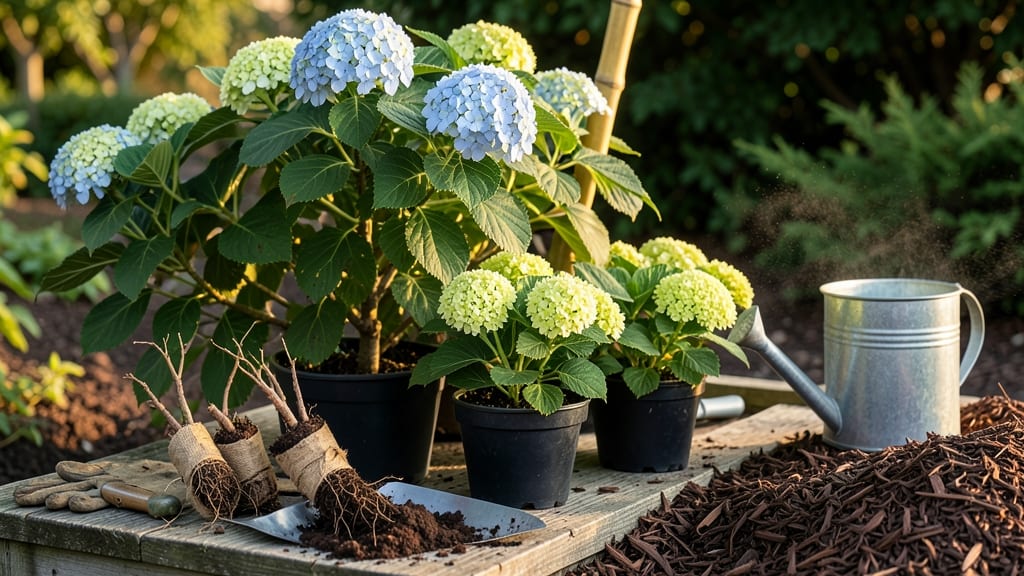
Ideal planting months for Northeast hydrangeas: a month-by-month guide
Timing your hydrangea planting in the Northeast isn’t just about avoiding frost—it’s about giving roots a 6-8 week head start before winter dormancy. The perfect window spans from late April to early June, when soil temperatures consistently stay above 50°F (10°C).
This aligns with the last frost dates in most USDA zones 5-7, including Boston, NYC, and Buffalo. Fall planting is also viable in September, but only if you can water deeply before the ground freezes.
For spring planting, aim for after Mother’s Day (mid-May) in colder regions like Portland, ME, but late April works for Philadelphia and DC. The key is soil warmth—hydrangeas hate soggy, cold roots.
Use your finger to check: if the top 6 inches of soil feels like a warm bath (not a fridge), it’s time to plant. In containers, you can push this window 2-3 weeks earlier since pots warm faster.
Fall planting in the Northeast requires extra caution. Plant 4-6 weeks before your first frost (typically late August to mid-September) to allow roots to establish before winter. In Zone 5 (e.g., Burlington, VT), this might mean early September—any later, and roots won’t harden off in time.
Always mulch heavily (3-4 inches) to insulate roots from freeze-thaw cycles.
Missed the window? Don’t panic. Bare-root hydrangeas can be planted throughout the dormant season (November to early March), but spring or fall is ideal for container-grown plants. If you plant in late summer (July-August), provide daily shade cloth and consistent watering to prevent transplant shock.
The Northeast’s microclimates complicate timing. For example, New England’s coastal areas (like Providence, RI) have 2-3 weeks earlier last frosts than inland Pittsburgh, PA. Check your local cooperative extension service for precise frost dates.
Pro tip: Observe your neighbor’s lilacs—when their buds swell, it’s time to prep your hydrangeas for planting.
Soil temperature is your best friend. Use a soil thermometer to confirm it’s above 55°F (13°C) before planting. In Zone 6 (e.g., Albany, NY), this usually happens by mid-May. If you plant too early, roots may stunt or rot—a common mistake that leads to poor blooms the first year. For container hydrangeas, warm the soil with black plastic mulch a week before planting to jumpstart root growth.
Regional adjustments matter. In Upstate New York (Zone 5), wait until after May 15 to avoid late frosts. Meanwhile, Washington, DC (Zone 7) can plant as early as April 1. The rule of thumb: Plant when daffodils bloom—this natural indicator aligns with optimal soil conditions for hydrangeas in most of the Northeast.
Container vs. in-ground also shifts timing. Potted hydrangeas can go in 2 weeks earlier than in-ground plants because their roots warm faster. However, bury containers slightly deeper (up to the rim) to protect roots from temperature swings. For in-ground planting, amend the soil with peat moss or pine bark to lower the pH (hydrangeas thrive at 5.0-6.0), and add compost for drainage.
After planting, water deeply for 10 minutes to eliminate air pockets, then mulch with 3 inches of shredded bark. This keeps roots 5-10°F warmer in winter and cooler in summer.
In Zone 4 (e.g., Burlington, VT), add an extra 2 inches of mulch to shield roots from extreme cold. Avoid synthetic mulches—they trap too much heat.
Finally, prune spent blooms in early spring (before new growth starts) to encourage larger flowers later. For Panicle hydrangeas, wait until late winter—they bloom on new wood.
If you’re unsure about your variety, do nothing until you identify it. Patience is key: hydrangeas planted at the right time can live for 50+ years with minimal care.
🌱 Northeast Hydrangea Planting Timeline
| Month | USDA Zones 5-7 | Soil Temp | Action | |||||||||||||||||||||
|---|---|---|---|---|---|---|---|---|---|---|---|---|---|---|---|---|---|---|---|---|---|---|---|---|
| April | Zones 6-7 (DC, NYC) | 50-55°F | Prep soil; plant containers | |||||||||||||||||||||
| May | Zones 5-7 (all) | 55-60°F | Ideal in-ground planting | |||||||||||||||||||||
Ideal planting months for Northeast hydrangeas: a month-by-month guideTiming your hydrangea planting is critical in the Northeast, where last frost dates vary from late March in NYC to late April in Boston. The sweet spot for planting is when soil temperatures reach a steady 55°F (13°C), ensuring roots establish before summer heat. For most of the Northeast (USDA zones 5-7), this means late April to early June for spring planting. Fall planting is also viable in September, giving roots time to settle before winter. In colder regions like Upstate New York or Maine, aim for early September to avoid early frosts. Hydrangeas planted in early spring (March) or late fall (October) risk frost damage or poor root growth. Here’s the breakdown of what to expect each month:
In New England (zones 5-6), prioritize late April to early May for spring planting, as soil thaws slower. For the Mid-Atlantic (zones 6-7), early April is safe in milder areas like Philadelphia or DC, but wait until mid-April in Pittsburgh. Pro tip: Test soil moisture before planting. If the ground feels dry 2 inches down, wait a week or water the area first. Hydrangeas hate soggy soil but also struggle in drought, so aim for well-draining, slightly acidic soil (pH 5.5-6.2). Amend clay soil with compost or peat moss for better drainage. After planting, mulch with 3 inches of organic mulch (like shredded bark) to retain moisture and protect roots. For container-grown hydrangeas, plant at the same depth as their nursery pot to avoid stem rot. |