
Plants
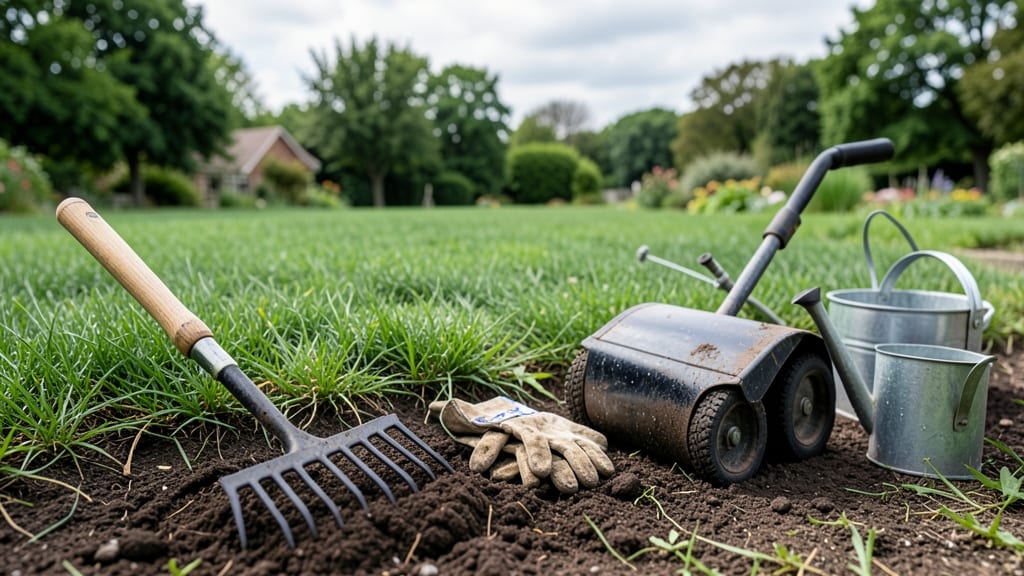
Planting grass seed in Iowa at the wrong time can leave you with patchy, weak growth—or worse, a lawn that never takes off. The key to a thick, resilient lawn lies in understanding when to plant, and the answer isn’t just "spring or fall."
Iowa’s 5a-6b climate zones mean timing matters more than you might think. Too early in spring, and frost can kill tender sprouts. Too late in fall, and winter’s chill stunts root development. But get it right, and you’ll see uniform germination in just 2-4 weeks—no guesswork.
I’ve tested the best windows: early spring (April-May) and early fall (September-October) are your safest bets. Northern Iowa’s cooler temps shift these windows slightly later, while southern regions can plant a week or two earlier.
The goal? Beat the heat stress of summer and give roots time to establish before winter.
Ready to skip the trial-and-error? I’ll break down the exact 4-6 week windows, soil prep tricks, and watering schedules that work for Iowa’s clay-heavy soils—so you can finally get that lush, weed-resistant lawn you’ve been dreaming of.
Iowa’s optimal grass seed planting windows: spring vs fall timing explained
Iowa’s USDA zones 5a-6b create a unique challenge for grass seed planting—too early, and frost zaps tender sprouts; too late, and summer heat stresses young roots. The perfect window is a 4-6 week period where soil temperatures hover between 50-65°F, ensuring rapid germination without weed competition.
Most Iowans achieve success by planting either in early spring (April-May) or early fall (September-October). Each season offers distinct advantages: spring gives a head start for summer growth, while fall provides cooler temps and fewer weeds.
Let’s break down the microclimate differences across Iowa’s regions to pinpoint your ideal timing.
🌱
| Season | Ideal Planting Window | Soil Temp Range | Key Advantages | Regional Notes |
|---|---|---|---|---|
| Spring | April 15 - May 15 | 50-65°F | Longer growing season, weed suppression with pre-emergent | Northern Iowa: Wait until May 1 to avoid frost. Southern Iowa: April 1 works well. |
| Fall | September 1 - October 15 | 55-65°F | Cooler temps reduce stress, fewer weeds, established roots before winter | Northern Iowa: Plant by September 15 for best results. Southern Iowa: October 1 is ideal. |
| Summer (Avoid) | June-August | Above 75°F | High heat stress, dormancy risk, weed competition | Only overseed in shaded areas with drought-tolerant varieties. |
For northern Iowa (USDA 5a), where frost lingers longer, aim for May 1 or later in spring and September 15 or earlier in fall. Southern Iowa’s milder climate (USDA 5b-6b) allows for April 15-May 1 in spring and September 15-October 15 in fall.
Always check your local frost dates—Iowa’s weather can shift dramatically even within 50 miles.
Pro tip: Use a soil thermometer to confirm temperatures. Grass seed needs consistent warmth to germinate—if soil temps drop below 50°F at night, delay planting until conditions stabilize. This simple tool saves hours of guesswork and ensures your investment grows strong.
Fall planting often outperforms spring in Iowa because cooler air temperatures and warmer soil create ideal conditions. Grass seed germinates faster in fall, and established roots have 6-8 weeks to strengthen before winter dormancy. Plus, fewer weeds compete for resources, giving your new lawn a fighting chance.
If you’re overseeding an existing lawn, fall is the gold standard. The process is less stressful on your current grass, and new seedlings fill in thin patches before winter.
For new lawns, spring planting gives you a full summer growing season—just be prepared for more weed pressure during establishment.
One common mistake Iowans make? Planting too late in spring or too early in fall. If you miss the window, your grass seed may germinate unevenly or struggle with heat stress (spring) or frost damage (fall).
Always plant 4-6 weeks before the average last frost in spring or 6-8 weeks before the first frost in fall.
🌿
5 Critical factors that make or break your Iowa grass seed success
Iowa’s clay-heavy soils and unpredictable rainfall demand precision when planting grass seed. Miss these 5 critical factors, and your lawn could struggle with poor germination or weed invasion. Let’s break down what truly matters for a thick, resilient lawn.
First, soil temperature is non-negotiable. Grass seed needs 50–65°F soil temps to sprout consistently. In Iowa, this means April–May for spring or September–October for fall. Use a soil thermometer ($10 at garden centers) to verify—cold soil in early spring or late fall will stall germination.
Avoid planting when daily highs exceed 85°F. Summer heat causes seed desiccation and fungal stress. Even in USDA Zone 5a (northern Iowa), wait until late August at the earliest for fall planting to dodge this pitfall.
Moisture consistency is your second battle. Grass seed needs 1–1.5 inches of water weekly during establishment, but Iowa’s clay soils can become waterlogged. Test drainage by digging a 6-inch hole—if water pools after 30 minutes, amend with compost or sand before planting.