
Flowers
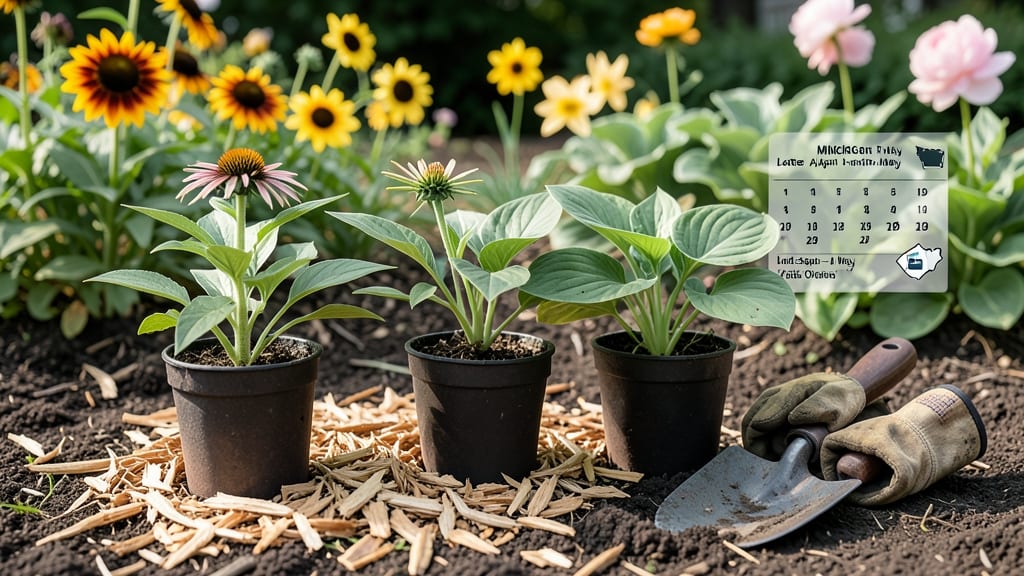
If you’ve ever stared at your calendar in early spring, wondering whether to plant those 🌸 flowers or wait just a little longer, you’re not alone—Michigan’s fickle weather makes timing everything.
The key to a garden bursting with color from spring to fall? Planting after the last frost, which typically lands between mid-April and early May in USDA Zones 5b-6b.
But here’s the catch: rushing too early can leave delicate blooms vulnerable to surprise freezes, while waiting too long might mean summer-heat wilting before they even take root.
I’ve spent years perfecting the timing for Michigan’s most reliable flowers—from hardy perennials like coneflowers to sun-loving annuals like marigolds—and the best strategy isn’t just about dates. It’s about reading the soil, the sky, and even your local microclimate to lock in those long-lasting blooms you’ve been dreaming of.
Let’s break down the exact windows, regional tweaks, and foolproof tips to turn your garden into a showstopper—no matter whether you’re in Detroit or Traverse City.
Michigan flower planting calendar by season: exact USDA zone 5b/6a deadlines for perennials, annuals, and bulbs
Michigan’s USDA Zones 5b-6a mean gardeners must work with a short growing season, but knowing the right planting deadlines can transform your garden into a year-round spectacle. The key is understanding last frost dates, soil temperatures, and how each flower type responds to Michigan’s climate.
For most regions, the last frost typically arrives between mid-April and early May, while the first frost hits around mid-October to early November.
Annuals like petunias and marigolds thrive when planted 2-4 weeks after the last frost, while perennials such as coneflowers can handle cooler spring soil. Bulbs like tulips and daffodils should be planted in fall (October) to establish roots before winter.
Missing these windows can leave your garden sparse or struggling to bloom.
Here’s a breakdown of when to plant each type for maximum blooms and minimum stress on your flowers:
| Season | Plant Type | Best Planting Time | Soil Temp Threshold | Notes |
|---|---|---|---|---|
| Early Spring | Perennials | March–April (after soil thaws) | 40–50°F | Divide perennials in early spring for stronger roots. |
| Late Spring | Annuals | May–June (after last frost) | 55–60°F | Start seeds indoors 6–8 weeks before last frost. |
| Summer | Heat-Tolerant Annuals | June–July (for fall blooms) | 60–70°F | Choose varieties like zinnias or cosmos for late-season color. |
| Fall | Bulbs | October (4–6 weeks before frost) | 50–60°F | Plant bulbs 3x as deep as their height for winter survival. |
| Fall | Perennials | September–October | 55–65°F | Fall planting gives roots time to establish before winter. |
For northern Michigan (e.g., Traverse City), aim for 2 weeks later than the deadlines above, while southern Michigan (e.g., Detroit) can push planting 1–2 weeks earlier. Always check your local Almanac frost dates for precision—Michigan’s climate shifts yearly.
Pro tip: Use row covers or cold frames to extend your planting season by 2–4 weeks in spring. This protects tender seedlings from late frosts and gives you an earlier start on annuals like impatiens or begonias. Just remove covers when daytime temps hit 70°F to prevent overheating.
If you’re planting bulbs in fall, don’t wait until the ground freezes. Aim for October so bulbs can root before soil hardens. For perennials, fall planting is ideal because cooler temps reduce stress, helping roots establish before winter dormancy.
Think of it as giving your plants a head start for next year’s blooms.
For annuals, the rush is on after the last frost. Wait too long, and you’ll miss the peak bloom window for summer favorites like petunias or geraniums. Start seeds indoors in March for early blooms, or buy transplants ready to plant after frost.
Just be prepared to water deeply for the first 2 weeks to help them establish.
Michigan’s humidity and variable weather can also impact planting success. Choose disease-resistant varieties like beebalm or daylilies, which handle Michigan’s moisture better than delicate roses or orchids. Always water at the base of plants in the morning to prevent fungal issues from overnight dampness.
Finally, don’t forget to mul
How to adjust planting times for Michigan’s microclimates: cold snaps, humidity, and soil conditions that change everything
Michigan’s diverse geography means planting times can vary by hundreds of miles. Northern regions like Traverse City often experience 2-3 weeks later last frost dates than southern areas like Detroit. Even within cities, urban heat islands can create microclimates where flowers thrive weeks earlier than rural areas.
Understanding these variations helps you avoid frost damage while maximizing bloom times. For example, hydrangeas planted in Detroit’s Zone 6a may flower 3 weeks earlier than identical plants in Marquette’s Zone 4b. The key is knowing your exact microclimate and adjusting accordingly.
🌱Soil temperature is your best indicator. Most flowers need soil at 50-60°F before planting. Use a soil thermometer to check—especially in northern Michigan where cold soils linger longer. In southern Michigan, you might plant pansies as early as late March, while northern gardeners should wait until mid-April.
⚠️ Watch for False Springs!
Michigan’s unpredictable cold snaps can kill tender plants. If you plant annuals like petunias too early, a late April frost will devastate them. Use row covers or wait until after May 15 in most areas to be safe.
🌡️ Pro Tip: Sign up for your local Cooperative Extension frost alerts or use the Michigan Garden Guide app for real-time updates.
Humidity also plays a role. Southern Michigan’s higher humidity favors impatiens and ferns, while drier northern climates suit lavender and sedum. If you’re in a humid pocket (like near the Great Lakes), choose fungus-resistant varieties like beard tongue or black-eyed Susans to avoid powdery mildew.
For extended seasons, try cold frames or hoop houses. These can push your planting window 2-4 weeks earlier in spring or 3-5 weeks later in fall. Just be prepared to remove covers during 90°F+ days to prevent overheating.
Finally, native Michigan flowers like columbine and bee balm are your best bet for reliable blooms. They’ve adapted to Michigan’s extremes and require minimal adjustments. Pair them with non-natives like daylilies for longer-season color.
🌿 By accounting for your local microclimate, you’ll double your chances of a flourishing garden—no matter where in Michigan you live.