
Plants
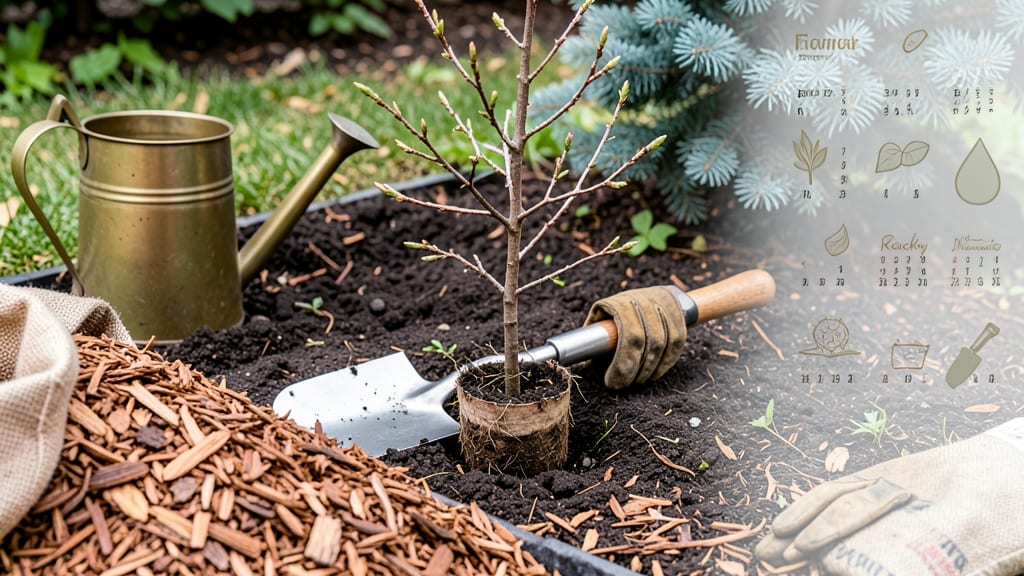
To plant a tree in Colorado with the best chance of thriving, timing is everything—and getting it wrong could mean years of struggling roots.
The ideal window for planting a 🌳 in USDA Zones 5-7 isn’t just about seasons; it’s about avoiding the brutal winter freeze or the scorching summer drought that can stunt growth.
Most gardeners know spring and fall are the go-to seasons, but Colorado’s microclimates—like the Front Range’s milder winters or the high plains’ earlier frosts—demand precision. Plant too late in fall, and your tree might not establish roots before the ground freezes.
Plant too early in spring, and you risk exposing young roots to late frosts.
I’ve seen firsthand how a well-timed planting can turn a fragile sapling into a thriving 🌳 within months. The key lies in understanding your specific zone’s last frost date, soil conditions, and even the type of tree you’re planting.
Let’s break down the exact deadlines and strategies to give your tree the strongest start possible.
Whether you’re adding shade to your yard or restoring native ecosystems, these insights will help you avoid common mistakes and maximize your tree’s long-term success. Ready to dig in?
Colorado tree planting deadlines by USDA Zone 5B/6A: exact months for optimal survival
Colorado’s USDA Zones 5B and 6A create a tight window for planting trees—too early, and roots freeze; too late, and summer drought stresses saplings. The ideal planting window spans late winter to early spring (February–April) and fall (September–October), aligning with soil temperatures and moisture availability.
In Zone 5B (e.g., Denver, Fort Collins), aim to plant 2–3 weeks before the last frost (typically mid-April) or after the first frost in fall (usually mid-Octobersoil temperature remains the critical factor—roots need 40–50°F to establish.
Bare-root trees (often cheaper) must be planted while dormant—November through early March—but container-grown trees offer more flexibility, allowing spring or fall planting with better root survival. Always check local frost dates via the Colorado Climate Center for precision.
| Season | Ideal Planting Window | Soil Temp Threshold | Key Considerations |
|---|---|---|---|
| Spring | Late Feb–Early April | 40–50°F | Avoid frost; water deeply |
| Fall | Mid-Sept–Mid-Oct | 50–60°F | 6+ weeks before frost; mulch heavily |
| Winter | Nov–Early Mar (bare-root only) | 32–40°F | High-altitude risk; protect roots |
| Summer | Avoid (except drought-tolerant species) | N/A | Heat stress; only plant container-grown |
The Front Range (e.g., Denver, Boulder) has a longer frost-free season (120–140 days), while the Western Slope (e.g., Grand Junction) may have only 90–110 frost-free days. Adjust deadlines accordingly—plant 2 weeks earlier in high-altitude areas (e.g., Aspen, Vail) where frost lingers longer.
Container-grown trees are your best bet for summer planting (June–July) in Colorado’s Zone 6A, but prioritize deep watering and shade cloth to reduce transplant shock. Native species like quaking aspen or Ponderosa pine handle stress better than non-natives.
For bare-root trees, soak roots for 4–6 hours before planting to rehydrate them. In Zone 5B, aim to finish by March 15 to avoid late-spring frosts. Use a soil thermometer to confirm 40°F+ soil temps—cold soil stunts root growth.
Colorado’s elevational microclimates complicate timing. At 6,000+ feet, plant 2 weeks earlier than at 5,000 feet. For example, Fort Collins (Zone 5B) may see frost until May 10, while Colorado Springs (Zone 6A) typically warms by April 15.
Pro tip: Mulch immediately after planting with 3–4 inches of wood chips to retain moisture and regulate soil temperature. In fall-planted trees, mulch 6 inches wide to protect roots from winter temperature swings.
Miss the window? Container-grown trees can be planted in late spring (May–June), but expect slower establishment. Pair with drip irrigation and windbreaks to improve survival odds.
🌳
5 Critical factors that determine your tree’s first-year survival in Colorado
Colorado’s dry air and temperature swings create unique challenges for young trees. Even if you plant at the perfect time, these five critical factors will make or break your sapling’s first year.
Ignore them, and you risk stunted growth, disease, or even death—especially in high-altitude areas where cold snaps hit unexpectedly.
First, soil moisture retention is non-negotiable. Colorado’s clay-heavy soils in the Front Range can suffocate roots, while sandy soils in the Western Slope drain too quickly. Amending with compost or organic matter before planting improves water retention by up to 30%.
A simple soil test will reveal if your yard needs gypsum (for clay) or peat moss (for sand).
Solution: Test soil, amend with compost, and mulch heavily (3-4 inches).
Pro Tip: Use drip irrigation for consistent moisture—critical in USDA Zone 5B where winters are harsher.
Second, wind exposure is a silent killer for young trees. Colorado’s prevailing westerlies and mountain winds can desiccate leaves and break tender stems.
If your planting site is exposed, choose wind-resistant species like Russian olive or serviceberry, or install a windbreak (e.g., a temporary fence or shrub barrier) for the first two years. Even a burlap windscreen can reduce stress by 40%.
Third, root flare depth is often overlooked but critical. Planting too deep can suffocate roots, while planting too shallow leaves them vulnerable to temperature fluctuations. The root flare (where roots meet the trunk) should sit 1-2 inches above soil level.
Dig a hole twice as wide as the root ball but only as deep as needed—no deeper! Use a level to ensure the tree stands straight.
Fourth, mulching technique separates thriving trees from struggling ones. Apply 3-4 inches of mulch (wood chips or straw) around the base, but never pile it against the trunk—this creates rot-prone pockets.
Mulch should form a donut shape, extending out to the drip line. Replenish mulch annually, as it breaks down quickly in Colorado’s dry climate.
Finally, watering consistency is the difference between a tree that survives and one that thrives. Deep watering once a week (or more in summer) is essential, but shallow watering encourages weak root systems. Use a soaker hose or drip system to deliver water directly to the root zone.
In Zone 6A, aim for 10-15 gallons per watering for the first year—adjust based on rainfall and soil type.