
Vegetables
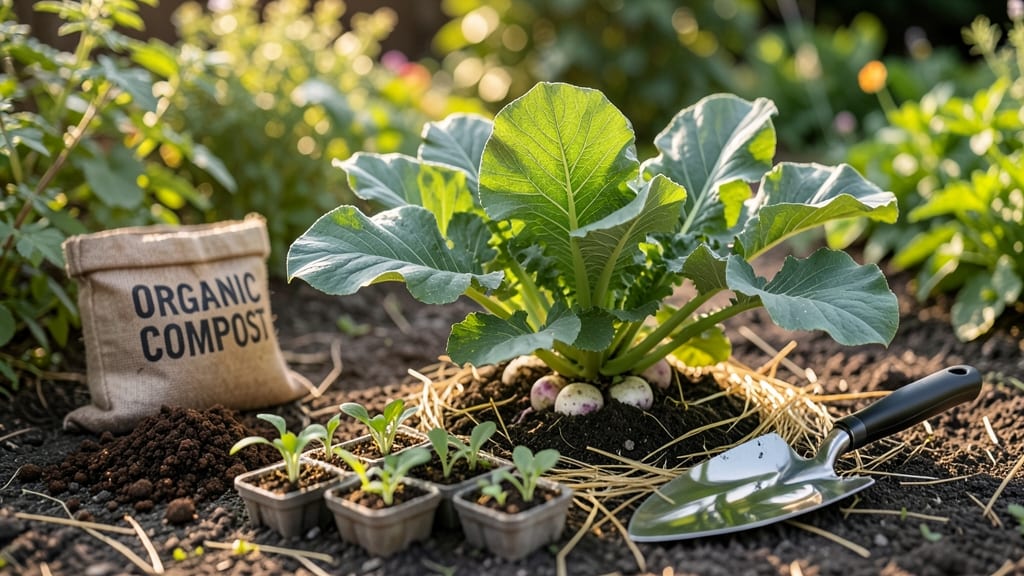
Planting turnips 🥕 in the fall can yield sweeter, more tender roots—but only if you time it perfectly. The 6-week pre-frost rule is your secret weapon, ensuring roots mature before cold snaps turn them woody or bitter.
Most gardeners in USDA Zone 6a (like me!) start seeds 4-6 weeks before the first frost, typically in late August or early September. This window gives turnips 60-80 days to grow before winter sets in, balancing harvest timing with frost protection.
Why does timing matter so much? Plant too early, and turnips may bolt (go to seed) before reaching peak flavor. Too late, and frost steals your harvest. I’ll show you how to adjust for your specific climate, whether you’re in the chilly Midwest or milder Southern regions.
Ready to grow the best fall turnips? Let’s break down the exact steps—from soil prep to frost-ready harvest cues—to guarantee a bountiful, delicious crop before winter arrives.
The 6-Week pre-frost rule: exact planting timeline for fall turnips
Timing your fall turnip planting is all about beating frost while avoiding early bolting. The 6-week pre-frost rule ensures roots mature before cold snaps turn them woody. This means if your first frost arrives in mid-October, aim to plant between early August and early September.
This window balances root development and harvest readiness before winter sets in.
Turnips thrive when planted 4-6 weeks before frost, giving them 60-80 days to reach harvest. Check your USDA zone—Zone 3 gardeners should plant by mid-August, while Zone 10 growers can extend until late September. Use your average first frost date as your anchor, then count backward.
🌱 Turnip Fall Planting Summary
| Stage | Action | Notes |
|---|---|---|
| Soil Prep | Test pH (6.0-7.0), add compost | Loosen soil 12" deep |
| Planting Window | 4-6 weeks before frost | Seed depth: ½ inch |
| Spacing | 1-2 inches apart | Thin to 3-4 inches |
| Harvest Ready | 60-80 days after planting | Roots 1-2 inches thick |
| Frost Buffer | Use row covers | Extends season by 2-3 weeks |
📅 Pro Tip: Use a frost calendar from your local cooperative extension for precise dates.
For container gardening, follow the same 6-week rule but use larger pots (12"+ diameter) to accommodate root growth. Smaller containers restrict development, leading to stunted turnips.
If you’re in a warmer microclimate (like near a south-facing wall), you might push planting to mid-September—but monitor weather forecasts for sudden cold snaps.
Soil temperature matters too. Turnip seeds need 40-85°F soil to germinate. In cooler climates, wait until soil warms to at least 50°F before planting. Use a soil thermometer to check—cold soil delays germination and invites damping-off disease.
If your soil stays chilly, try black plastic mulch to warm it faster.
Don’t overlook companion planting to protect your turnips. Pair them with bush beans or lettuce to improve soil structure and deter pests. Avoid planting near potatoes or tomatoes, which compete for nutrients. A 3-foot buffer between turnips and these plants prevents nutrient theft and reduces disease risk.
If you’re in a short-season zone (like Zone 4), opt for fast-maturing varieties like ‘Purple Top White Globe’ (58 days) or ‘Tokyo Cross’ (50 days). These varieties squeeze into tight schedules while delivering sweet, tender roots.
For longer seasons (Zones 7-10), you can even try a second planting in late September for a winter harvest under row covers.
Watch for false starts—some years, warm spells trick you into planting too early. If your turnips bolt (send up flower stalks), they’ll become bitter and tough.
To avoid this, choose cool-season varieties and plant when daytime highs stay below 75°F. If bolting happens, harvest the greens first—they’re still edible and nutritious.
Finally, mark your calendar with your harvest deadline. Turnips left in the ground too long develop wooden cores and lose flavor. Aim to harvest before hard frosts (below 25°F), even if roots aren’t perfect.
Store them in moist sand in a cool, dark place to extend freshness for 2-3 weeks post-harvest.
With this 6-week rule and a little local tweaking, you’ll enjoy homegrown turnips that rival store-bought—sweeter, crunchier, and packed with flavor. Happy planting! 🥕
The 6-Week pre-frost rule: exact planting timeline for fall turnips
Timing your fall turnip planting is all about working backward from your first frost date. Most turnip varieties need 60-80 days to mature, so aim to plant seeds 6 weeks before frost to ensure a harvest before winter sets in.
For example, in USDA Zone 6a, where my garden lives, that means starting seeds in late August to early September.
To find your exact window, check your local average first frost date (use the USDA Plant Hardiness Zone Map or your local cooperative extension service). Subtract 60 days from that date—this gives you your ideal planting window.
For instance, if frost hits October 15th, plant by August 25th.
Here’s the breakdown of what you need to know for perfect timing:
| Stage | Action | Notes |
|---|---|---|
| 60-80 Days Before Frost | Start seeds indoors or direct-sow outdoors | Use 1/2-inch depth, 1-2 inches apart |
| 4-6 Weeks Before Frost | Thin seedlings to 3-4 inches apart | Ensure full sun exposure (6+ hours/day) |
| 3 Weeks Before Frost | Apply balanced fertilizer (5-10-10) | Boost root development for sweetness |
| 1-2 Weeks Before Frost | Harvest turnips before hard frost | Roots should be 1-2 inches thick |
If you’re unsure about your frost date, I recommend using a frost calendar or planting two batches—one in late summer and another in early fall—to hedge your bets.
For example, in Zone 5, you might plant one batch in mid-August and another in early September to extend your harvest window.
Pro tip: Use row covers or cold frames to push your harvest window even later. These tools can protect turnips from light frosts, giving you an extra 2-3 weeks of growing time. I’ve successfully used row covers to harvest turnips in early November in my garden!
Remember, soil temperature matters too. Turnips grow best in 50-75°F soil. If your soil is still warm (above 80°F), wait a few weeks before planting to avoid stressing the seedlings. A soil thermometer is a game-changer for nailing the perfect timing.
Finally, choose fast-maturing varieties like ‘Purple Top White Globe’ or ‘Tokyo Cross’ for fall planting—they’re bred to handle cooler temperatures and still deliver sweet, tender roots. Happy planting! 🥕