
How To
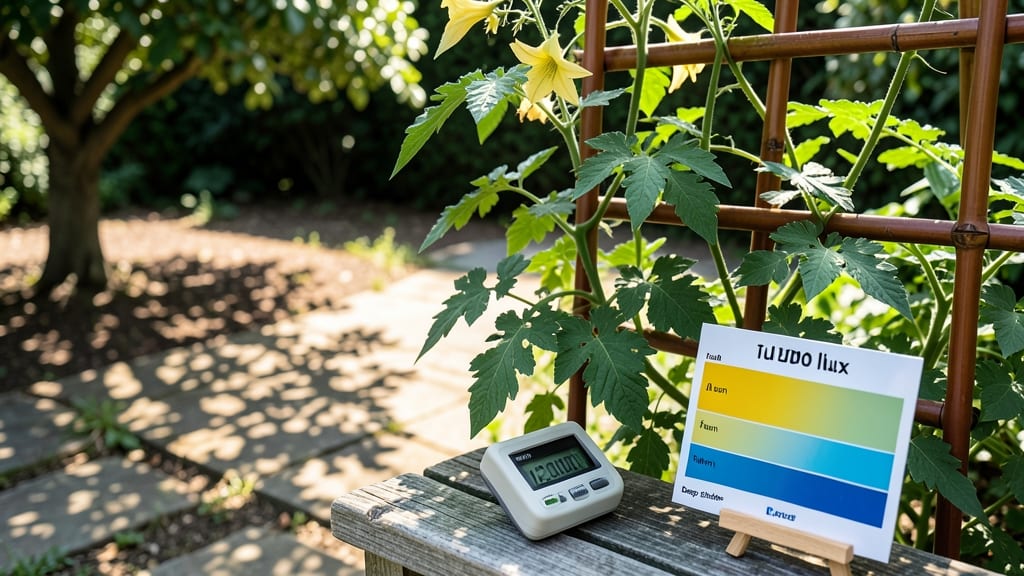
If your 🍅 tomato plants are struggling to produce fruit—or worse, just wilting in the pot—you might be getting how much light a tomato plant needs wrong.
Most gardeners think "full sun" just means "plenty of light," but tomatoes are picky about how much and what kind of sunlight they get. Without the right exposure, you’ll end up with leggy stems, bitter fruit, or no harvest at all.
Here’s the truth: tomato plants need 6 to 8+ hours of direct sunlight daily, but not every variety thrives under the same conditions. Determinate tomatoes (the bush types) might tolerate a little afternoon shade, while indeterminate vining varieties demand relentless sun.
And if you’re growing in containers or indoors, the rules change entirely—shade from nearby structures or weak window light can sabotage your harvest before it even starts.
Don’t guess whether your tomatoes are getting enough light. I’ll walk you through how to spot the signs of under- or over-exposure, adjust your setup for maximum yield, and even troubleshoot common mistakes that keep plants from reaching their full potential.
By the end, you’ll know exactly how to position your 🍅 for a bumper crop—no more sad, sun-starved vines.
The key isn’t just throwing your plants in the sunniest spot. It’s about understanding when they need light, how much they can handle, and what to do when your garden just doesn’t have enough. Let’s fix that.

Tomato plant sun requirements by variety: full sun vs partial shade explained
If you’ve ever planted tomatoes and watched them struggle—leaves yellowing, flowers dropping, or fruit tasting bland—chances are your plants weren’t getting enough sunlight. Tomato plants are sun-worshippers, and their light needs vary dramatically between determinate and indeterminate varieties.
Let’s break down exactly how much sun your tomato plants truly need to thrive, and why partial shade can be a recipe for disappointment.
Most tomato varieties thrive with 6-8+ hours of direct sunlight daily, but not all tomatoes are created equal. Indeterminate varieties (like 'Sungold' or 'Better Boy') need full sun exposure all day to produce their iconic vining growth and continuous fruit set.
Meanwhile, determinate types (like 'Roma' or 'Celebrity') can handle slightly less sun—around 6-7 hours—but still struggle in shade. The key difference? Indeterminate tomatoes keep growing and fruiting until frost, while determinate ones set all their fruit at once.
Here’s the catch: even 6 hours of sun isn’t enough in hot climates or during peak summer months. Tomato plants overheat when temperatures exceed 90°F (32°C), so afternoon shade can actually help prevent sunscald on fruits.
But this doesn’t mean you should plant them in partial shade—that’s where most gardeners go wrong. Let’s clarify the difference between morning shade (which is fine) and afternoon shade (which is critical in extreme heat).
⚠️ NON-NEGOTIABLE: Tomato plants in partial shade (less than 6 hours of sun) will produce smaller fruit, fewer blooms, and weak stems. If you’re growing in a shady spot, consider sun-loving alternatives like peppers or eggplants, which tolerate slightly less light.
| Variety Type | Sunlight Needs | Growth Habit | Shade Tolerance | Best For |
|---|---|---|---|---|
| Indeterminate | 8+ hours daily | Vining, continuous growth | Low (under 6 hrs = poor fruit) | Greenhouses, trellises, long seasons |
| Determinate | 6-7 hours daily | Bushy, compact | Moderate (can handle 5 hrs in cool climates) | Containers, short seasons, early harvests |
| Cherry Tomatoes | 7-8 hours daily | Vining or bushy | Low (needs strong light for sweetness) | Trellises, hanging baskets, urban gardens |
| Heirloom Varieties | 8+ hours daily | Varies (often indeterminate) | Very low (requires full sun for flavor) | Gourmet gardens, long growing seasons |
Now that you know the sunlight baseline, let’s talk about how to measure light exposure in your garden. Most gardeners assume their sunny spot gets enough light, but trees, buildings, and even nearby plants can block critical hours of sun.
Use a sunlight tracker (or a simple app) to monitor how many hours your spot gets direct light. If you’re in Zone 5-7, aim for morning sun + afternoon shade during summer to prevent heat stress.
For container growers, rotating pots every few days ensures all sides get equal sun exposure. A south-facing window provides the most light, but even there, tomato plants may need supplemental grow lights (12-16 hours/day) to mimic summer conditions.
If your tomatoes start looking leggy or pale, they’re begging for more light—don’t ignore these signs!
One common myth is that tomatoes can thrive in partial shade. While some varieties can tolerate 5 hours of sun in cooler climates, their fruit quality suffers. Blossoms may drop, stems weaken, and flavors become bland.
If you’re set on growing tomatoes in a shady spot, choose determinate varieties and supplement with reflective mulch or white walls to bounce extra light onto the plants.
Pro tip: Prune lower leaves to improve airflow and sunlight penetration to the fruit clusters. This simple trick can boost your harvest by 20-30% by ensuring the plant’s energy isn’t wasted on shade-covered foliage.
And if you’re growing in a greenhouse, consider shade cloth during peak summer to protect plants from sunburn
Signs your tomato plants aren’t getting enough light (and how to fix it)
Even with the best soil and consistent watering, your tomato plants can still struggle if they’re not getting enough sunlight. The first sign is often pale or yellowing leaves, especially on the lower stems.
This happens because the plant stretches toward light, creating long, weak stems—a classic symptom called etiolation. Without enough energy from sunlight, your tomatoes may also produce fewer flowers or develop small, misshapen fruit.
Another red flag is leggy growth—when your tomato plants grow tall and spindly with large gaps between leaves. This isn’t just unsightly; it makes your plants more prone to falling over or breaking under fruit weight.
Even worse, the fruit itself may lack flavor or develop poorly if the plant isn’t getting the sunlight it needs to photosynthesize properly.
If you’re growing tomatoes in containers or indoors, watch for leaves touching the window or growing toward one side. This means they’re reaching for light and aren’t getting enough from their current spot.
Even outdoor plants can suffer if nearby trees, buildings, or other plants cast too much shade, especially during peak sunlight hours.
To diagnose the issue, check your plants midday. If the leaves are dark green and healthy but the stems are weak and stretched, it’s a clear sign of light deprivation.
Compare this to a well-lit tomato plant, which will have deep green, sturdy leaves and compact growth. The difference is night and day!
Fixing the problem starts with relocating your plants. Move containers to a sunnier spot or rotate them daily to ensure even light exposure.
For indoor growers, a south-facing window is ideal, but you may need a reflective surface (like aluminum foil on the wall) to bounce extra light onto your plants. If natural light is limited, consider a grow light—even a simple LED bulb can make a huge difference.
For outdoor gardeners, prune nearby shade-casting plants or trim tree branches to allow more sunlight to reach your tomatoes.
If you’re in a high-rise apartment or urban area, a small greenhouse or sunroom can extend the growing season and ensure your plants get the 6-8 hours of direct sunlight they crave. Don’t underestimate the power of a little extra light—it’s the secret to bigger, tastier tomatoes!