
Plants
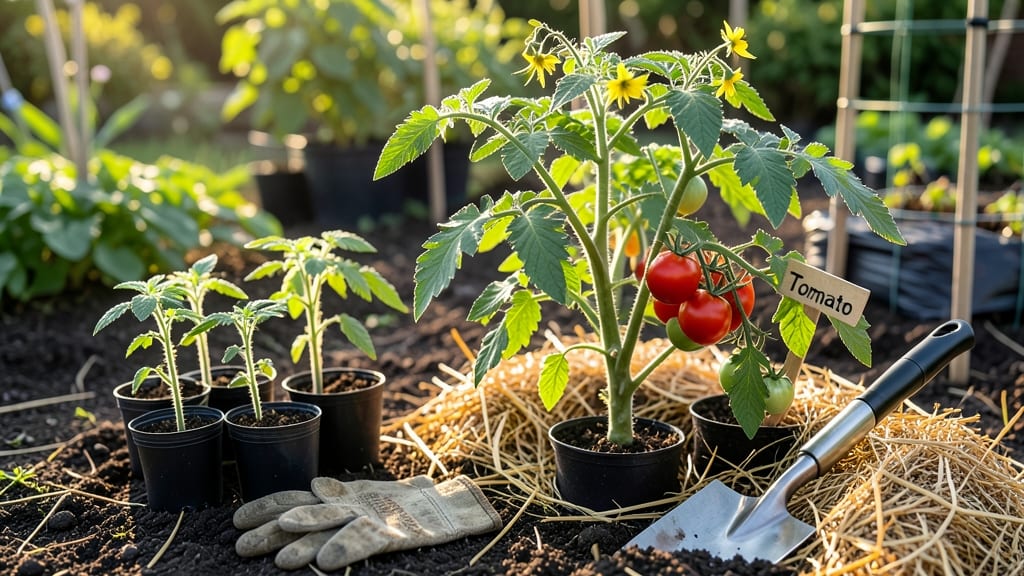
Planting your 🍅 tomatoes at the wrong time in Indiana can mean the difference between a bountiful harvest and a sad, wilted disappointment. The 5b-6a climate demands precision—wait too long, and you’ll miss the summer growing window; rush it, and a late frost will wipe out your hard work.
I’ve seen firsthand how April 15 to May 15 is the sweet spot for Indiana gardeners, but the exact timing depends on your location and soil conditions.
Whether you’re starting seeds indoors or transplanting seedlings, knowing when to put them in the ground is the key to avoiding common mistakes that derail even the most eager gardeners.
In this guide, I’ll break down the frost-free deadlines for your part of the state, share proven strategies to extend your growing season, and reveal the simple soil temperature tricks that make all the difference. Let’s get your tomatoes off to the right start!
You’ll learn how to calculate your local planting window, when to use row covers for extra protection, and how to tell if your soil is truly ready—no guesswork involved. By the end, you’ll be confident in your timing and ready to enjoy homegrown tomatoes from June through October.
Indiana tomato planting deadlines: frost-free dates by last spring average
Indiana’s USDA Zones 5b-6a create a narrow window for planting tomatoes, where even a few days off can mean the difference between a bountiful harvest and lost seedlings.
The average last frost date across the state typically falls between April 15 and May 1, but your exact timeline depends on whether you’re in northern Indiana (closer to Zone 5b) or southern Indiana (near Zone 6a).
For example, Fort Wayne (Zone 5b) often sees its last frost around April 22, while Indianapolis (Zone 6a) usually warms up by April 15. Always check local NOAA frost data or use a frost calculator to pinpoint your county’s risk.
Planting too early can leave your tomatoes vulnerable to blackened leaves or stunted growth from nighttime chills.
Here’s the critical rule for Indiana: Wait until soil temperatures consistently reach 60°F and nighttime lows stay above 50°F. A soil thermometer is your best friend—tomatoes won’t thrive in cold ground, even if daytime temps are warm. This often means holding off until mid-to-late May in colder microclimates.
Pro tip: Use black plastic mulch to warm soil faster, giving you a 2-week head start on the natural timeline. This is especially useful for early varieties like 'Stupice' or 'Mountain Merit,' which need every warm day to mature quickly.
| Region | Last Frost Avg. | Safe Planting Window | Harvest Start |
|---|---|---|---|
| Northern Indiana (Zone 5b) | April 22 | May 10–15 | Late July |
| Central Indiana (Zone 5b-6a) | April 15 | April 25–May 5 | Mid-July |
| Southern Indiana (Zone 6a) | April 5 | April 15–25 | Early July |
*Based on 30-year NOAA averages; adjust for microclimates (e.g., hills vs. valleys).
If you’re starting seeds indoors, begin them 6-8 weeks before your target outdoor planting date. For northern Indiana, that means early March seed starts, while southern Indiana gardeners can wait until late February.
Use grow lights to prevent leggy seedlings, and harden them off for 1 week before transplanting.
For transplanting seedlings, buy healthy 4-6 inch plants from a nursery and set them out after the last frost. Choose determinate varieties (like 'Roma') for earlier harvests or indeterminate types (like 'Better Boy') for continuous production, but know indeterminates need stakes or cages and a longer season.
Don’t forget succession planting: In Indiana’s short season, you can squeeze in 2-3 plantings spaced 2 weeks apart for a staggered harvest. Your last planting should go in by June 15 to ensure tomatoes mature before the first frost in mid-October.
Track your local frost dates using the Old Farmer’s Almanac or your county’s Purdue Extension office for real-time updates. Even a 5-day extension can mean the difference between a full tomato cage and a bare stem by harvest time.
🌱
Indiana tomato planting deadlines: frost-free dates by last spring average
Indiana’s USDA Zones 5b-6a create a tight window for planting 🍅 tomatoes, where a single late frost can ruin your entire crop. The average last frost date across the state typically falls between April 15 and May 1, but this varies dramatically depending on your location.
Northern Indiana (e.g., Fort Wayne) often sees frost lingering until May 10, while southern Indiana (e.g., Louisville) can safely plant by April 20.
To pinpoint your exact deadline, check NOAA’s historical frost data for your county. For example, Indianapolis usually hits its last frost around April 25, giving you a 165-day growing season if you plant by early May.
Missing this window means risking stunted plants or no harvest at all—so mark your calendar accordingly!
| Region | Last Frost Date | Safe Planting Window | Harvest Start |
|---|---|---|---|
| Northern Indiana (Fort Wayne) | May 10 | May 15-June 1 | Late July |
| Central Indiana (Indianapolis) | April 25 | April 30-May 15 | Early July |
| Southern Indiana (Louisville) | April 15 | April 20-May 1 | Mid-June |
Don’t rely solely on dates—always check soil temperature before planting. Tomatoes thrive when soil reaches 60°F or warmer. Use a soil thermometer to confirm readiness; cool soil delays germination and weakens seedlings.
Pro tip: Lay down black plastic mulch 1-2 weeks before planting to warm the soil faster and give you an earlier start.
If you’re starting seeds indoors, begin them 6-8 weeks before your last frost date. For northern Indiana, that means sowing seeds by March 15, while southern Indiana gardeners can wait until March 1.
Use grow lights to ensure strong seedlings, as weak starts struggle to recover after transplant shock.
For container growers, extend your season by planting 1-2 weeks later than in-ground plants. Pots heat up faster and dry out quicker, so monitor soil moisture closely. Place containers in south-facing spots to maximize sunlight exposure, which is critical for fruit production.
Remember: Indiana’s first frost typically arrives around October 15, so plan your varieties accordingly. Fast-maturing types like ‘Early Girl’ (60 days) work well for northern areas, while slower growers like ‘Brandywine’ (85 days) need southern Indiana’s longer season.
Adjust your planting timeline to match your chosen variety’s days to maturity.