
Plants
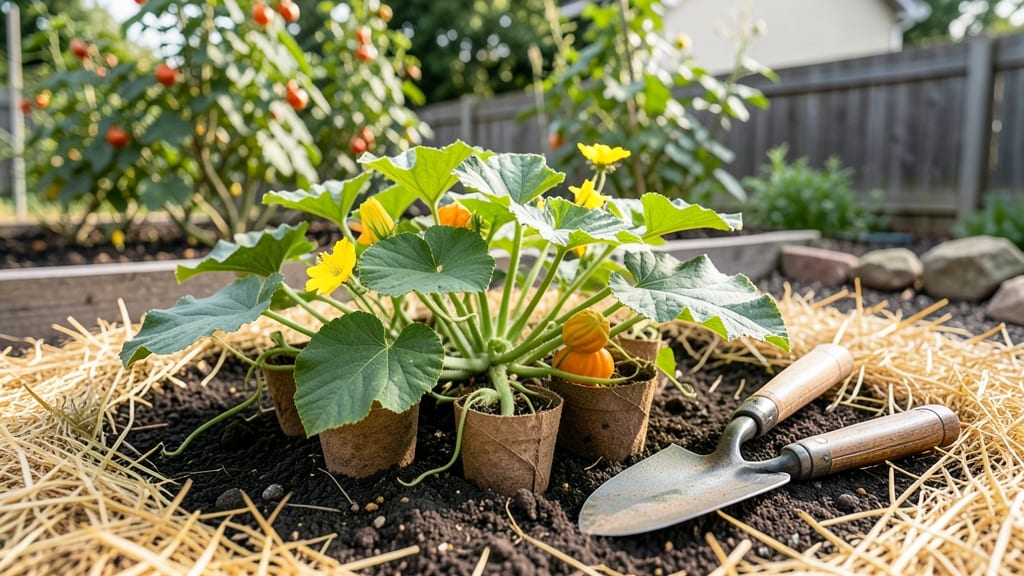
Planting pumpkins in Kentucky isn't just about dropping seeds in the dirt—it's a race against the clock to beat those unpredictable frosts and snag a bountiful harvest. With USDA zones 6a-7a and frost dates that can swing wildly, timing is everything for your 🎃 to thrive.
Most gardeners here swear by mid-April to early June as the sweet spot, but there's more to it than just months. Soil temperature matters just as much—waiting until it hits 60°F ensures your seeds sprout strong and fast.
Skip this step, and you might end up with leggy, weak plants that struggle to produce.
Whether you're growing classic carving pumpkins or sweet pie varieties, knowing when to plant saves you from wasted effort. I'll break down the best schedules for Kentucky's climate, plus pro tips to protect your crop from late frosts that could ruin your hard work.
Ready to grow pumpkins that win at the county fair? Let's dive into the exact planting windows, frost dates, and variety-specific tricks that work best for Kentucky gardens.
Kentucky’s frost dates & ideal pumpkin planting windows by month
Planting pumpkins in Kentucky requires precision timing to avoid late spring frosts or early fall freezes. The state’s USDA Zones 6a-7a mean you’ll need to work with a 165-day frost-free window, typically from mid-April to mid-October.
Missing these dates risks stunted vines or frost-damaged fruit, so let’s break down the best planting windows by month.
Kentucky’s average last frost date hovers around April 15, but this varies by region. The Bluegrass Region (Lexington/Louisville) tends to warm up slightly earlier, while Eastern Kentucky (Appalachian areas) can linger 1-2 weeks longer.
Always check your local frost date maps from resources like the Kentucky Climate Center before planting.
For summer squash varieties (like Jack Be Little), you can start seeds indoors 4-6 weeks before your last frost (around early March). However, winter squash (like Sugar Pie) needs a longer growing season, so direct-sow seeds after your last frost—typically mid-April to early May.
| Month | Action | Notes |
|---|---|---|
| March | Start summer squash indoors | Use grow lights for 12+ hours/day |
| April | Direct-sow winter squash after last frost | Soil temp must reach 60°F+ |
| May | Transplant summer squash or sow more seeds | Best for early harvests |
| June | Last chance for late varieties | Risk of early frost increases |
If you’re growing heirloom or long-maturing varieties, like Howden or Cinderella, aim to plant by mid-May to ensure they mature before the mid-October frost. These varieties need 100-120 days to harvest, so timing is everything.
For smaller varieties (like Jack Be Little), you have a bit more flexibility—plant as late as early June if needed.
Kentucky’s microclimates can also affect planting. If you’re in a valley or low-lying area, expect colder nights and plant 2 weeks earlier than the average. Conversely, urban heat islands (like Louisville) may allow for 1-2 weeks later planting. Use a soil thermometer to confirm 60°F soil temps before planting.
For fall planting, some gardeners attempt a late summer sowing (around July 15) for smaller varieties, but this is risky. The vines need time to establish before fall frosts hit. If you’re determined to try, use row covers and choose fast-maturing varieties like Autumn Gold.
Always monitor your local extended weather forecasts in April and October, as Kentucky’s frost dates can shift 1-3 weeks earlier or later. A sudden cold snap in June or a late warm spell in October can throw off your entire harvest.
When in doubt, plant on the earlier side—pumpkins tolerate heat better than cold.
Pro tip: Mark your planting dates on a garden calendar and set reminders for fertilizing (every 4-6 weeks) and watering (deep soaks every 3-5 days). Consistency is key to avoiding blossom-end rot or powdery mildew, two common Kentucky pumpkin problems.
🎃
Best pumpkin varieties for Kentucky gardens & their planting schedules
Not all pumpkins thrive equally in Kentucky’s USDA Zones 6a-7a. Some varieties mature too slowly and face early fall frost, while others ripen just in time for Halloween. Choosing the right type means the difference between a bountiful harvest and wasted effort.
Here are my top recommendations tailored to Kentucky’s climate, with their ideal planting windows and maturity timelines.
For fast-growing varieties, opt for Jack Be Little or Sugar Pie—both mature in 75-85 days, giving you a buffer against late frosts. Plant these between mid-April and early May to ensure harvest before October 15.
Their compact size also makes them ideal for smaller gardens or containers, though they still need full sun and well-draining soil.
Howden and Cinderella pumpkins are my go-to for larger harvests, with maturity times of 90-100 days. These need a longer growing season, so I plant them by late April to early May. Their vines spread aggressively, so allocate space or use trellises if your garden is small. These varieties are perfect for carving or baking, but watch for powdery mildew in Kentucky’s humid summers—space plants 3-4 feet apart to improve airflow.
If you’re aiming for winter squash like Long Island Cheese or Butternut, plant seeds in early May. These take 100-120 days to mature, so they’re riskier but reward you with longer storage life. Use black plastic mulch to warm the soil faster and extend the season.
For late-summer harvests, consider Connecticut Field or New England Pie, which mature in 90-110 days. Plant these by mid-May to avoid frost damage. Their thick rinds and sweet flesh make them excellent for pies and roasting.
Pro tip: Kentucky’s microclimates can vary by region. In Eastern Kentucky, where nights cool faster, plant 2 weeks earlier than the Bluegrass region. In Western Kentucky, you might push planting to early June for late-season varieties, but monitor soil temperatures—they must stay above 60°F for germination.
Always test your soil pH (aim for 6.0-6.8compost before planting. I’ve found that cover crops like clover, planted the previous fall, boost soil fertility naturally for pumpkins. Pair this with a balanced 10-10-10 fertilizer at planting and again when flowers appear for best results.