
Companion Plants
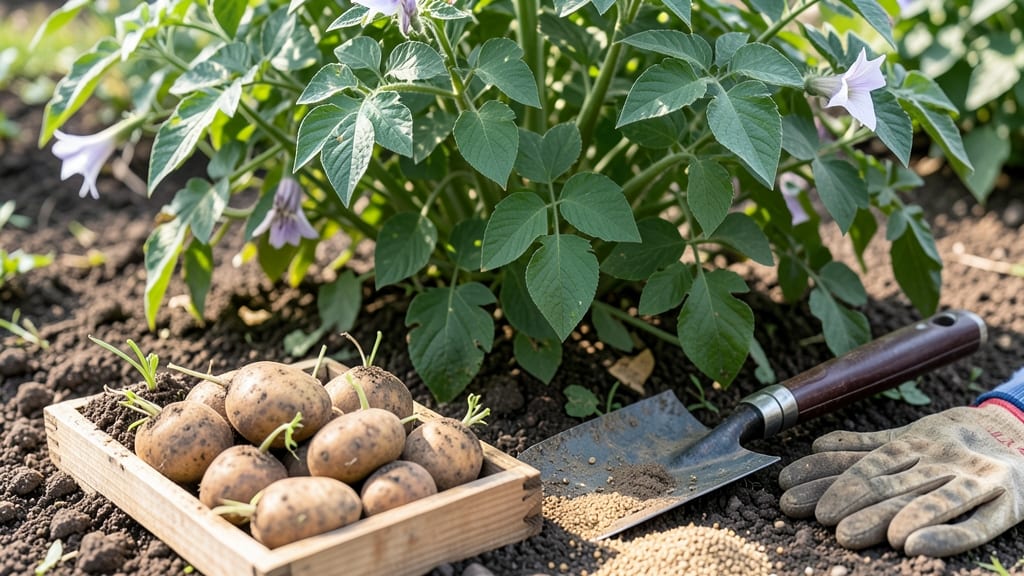
Planting potatoes in Pennsylvania at the wrong time can turn your 🥔 dreams into a soggy mess—frost nibbling sprouts or stunted tubers are no one’s idea of a harvest.
The key to success lies in those 4-6 weeks before your last frost date, when soil warms just enough to kickstart growth without inviting early cold snaps.
Most gardeners in USDA Zone 6a swear by mid-to-late March as their sweet spot, but Pennsylvania’s varied microclimates demand flexibility. Whether you’re in the cooler northwest or the milder southeast, knowing your exact frost dates and soil temperature thresholds is the difference between a bountiful harvest and a wasted effort.
Here’s the game-changer: early varieties like Yukon Gold thrive when planted by early April, while late-season types need a head start in March. I’ll break down the exact weeks to plant, how to prep your soil, and what to watch for when those first green shoots appear.
Ready to turn your garden into a potato powerhouse? Let’s dig into the timing, tricks, and tools that’ll have you pulling tubers by July—no guesswork required.
Best planting weeks before last frost in Pennsylvania (by region)
Pennsylvania’s diverse climate means your potato planting timeline should align with your specific region—whether you’re in the warm Southeast, temperate Central area, or the cooler Northwest. The key is planting 4-6 weeks before your last frost date, but soil temperature matters just as much as calendar dates.
Aim for 45°F soil at planting depth, or sprouts will struggle to emerge.
Most of Pennsylvania falls in USDA Zone 6a, but microclimates create variations. For example, Philadelphia’s last frost typically arrives by April 15, while Erie’s can linger until May 1.
These differences mean your planting window shifts by 3-4 weeks across the state. Always check your local Almanac frost dates for precision.
Here’s how to pinpoint your ideal planting window based on Pennsylvania’s three main regions, complete with soil temperature guidelines and frost-free days to help you plan:
| Region | Last Frost Date (Avg.) | Optimal Planting Window | Soil Temp. at Planting | Frost-Free Days |
|---|---|---|---|---|
| Southeast (Philadelphia, Allentown) | April 15 | March 15–April 1 | 45–50°F | 160–170 days |
| Central (Harrisburg, Lancaster) | April 22 | March 20–April 8 | 45–50°F | 155–165 days |
| Northwest (Erie, State College) | May 1 | April 1–April 15 | 48–52°F | 140–150 days |
For Southeast Pennsylvania, you can start as early as mid-March if you use black plastic mulch or a cold frame to warm the soil faster. In the Northwest, wait until after April 1 to avoid frost damage, even if soil feels warm.
A soil thermometer is your best tool—plant only when readings hit 45°F at 4-inch depth.
Pro tip: If you’re unsure about your local frost dates, check the Penn State Extension website or use the National Oceanic and Atmospheric Administration (NOAA) frost calculator. These resources provide hyperlocal data that’s far more accurate than general averages.
Once you’ve nailed your planting window, focus on seed potato quality. Certified disease-free seed potatoes (not grocery store spuds!) sprout faster and yield better.
Cut larger potatoes into 2-ounce pieces with at least one eye, let them heal for 24 hours, and plant 2-4 inches deep in loose, well-draining soil.
Remember: Early planting doesn’t always mean better yields. If soil is too cold (<40°F), potatoes rot instead of sprouting. Use straw mulch to insulate soil and maintain even temperatures, especially in Central and Northwest PA where nights stay chilly longer.
For gardeners in Zone 6a, aim to have your potatoes fully sprouted and 6 inches tall by the last frost. This gives them enough time to establish roots before summer heat sets in.
If you’re growing late varieties like ‘Kennebec,’ you can even plant a second crop in June for a fall harvest!
Finally, keep an eye on weather forecasts in late April. If a late frost is predicted, cover young plants with frost cloth or a row cover to protect tender sprouts. A little preparation now saves headaches later.
How to adjust planting time for early vs late varieties
Pennsylvania’s short growing season demands smart planning when choosing potato varieties. Early-maturing types like 'Yukon Gold' (90 days) can handle late-March planting, while late-season varieties like 'Kennebec' (120 days) need to go in by early May for a full harvest.
The key is matching your planting window to the variety’s days to maturity.
For early potatoes, aim to plant 4-6 weeks before your region’s last frost date.
These varieties thrive when harvested by July 4th, avoiding summer blight risks. 'Red LaSoda' and 'Kennebec' are great choices if you want to extend harvests into late August—but plant them no later than mid-May in most of PA.
If you love new potatoes, try successive planting: start with early varieties in March, then add mid-season types in April, and finish with late-season potatoes in May. This staggered approach ensures a continuous harvest from July through September—perfect for fresh eating or storage.
For late-season varieties, focus on soil warmth over speed. Wait until soil reaches 50°F+ at 4-inch depth before planting. In cooler Northwest PA, this might mean delaying until late May. Use row covers to protect young plants if nighttime temps dip below 50°F after planting.
Don’t forget about storage potential. Late varieties like 'Russet' store better for winter, but they need longer daylight to develop thick skins. Plant them in well-drained, sandy loam and avoid over-fertilizing with nitrogen—this leads to more foliage, fewer tubers.
Experiment with container growing for early starts. Fill pots with lightweight potting mix and plant seed potatoes in late February near a south-facing window. Move them outdoors after last frost for a 3-week head start—ideal for short-season areas like Erie or Scranton.