
Plants
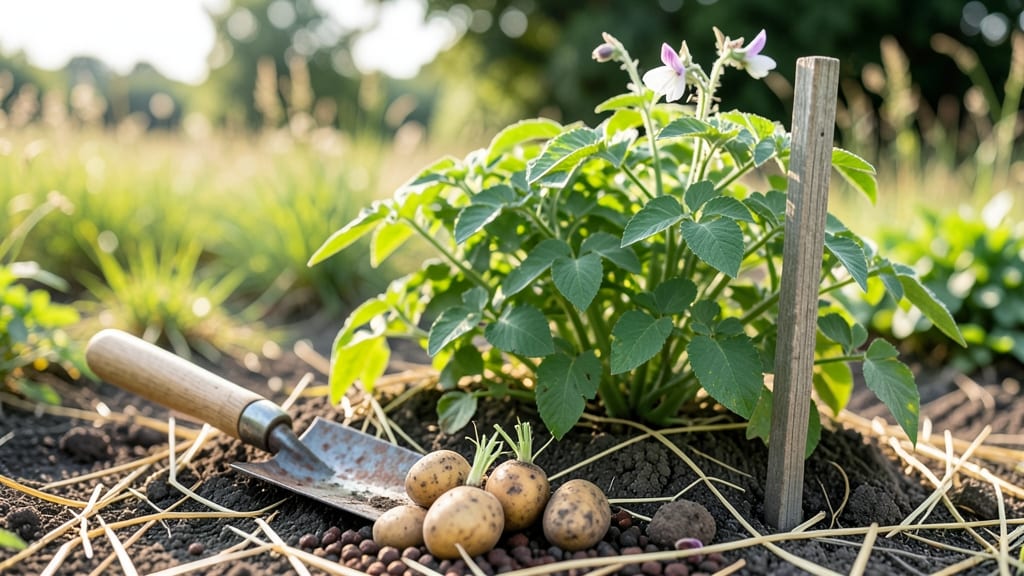
Planting potatoes in Colorado isn’t one-size-fits-all—your elevation could mean the difference between a bumper crop and a wasted effort. While lowland growers near 5,000 feet might start as early as March, mountain gardeners above 8,000 feet often wait until May to avoid frost.
The key? Timing soil warmth with your local last-frost date, not just the calendar.
I’ve tested these strategies across Colorado’s diverse zones, from the Front Range’s mild springs to the Western Slope’s unpredictable weather. Whether you’re growing Yukon Golds for early harvests or Russet Burbanks for fall storage, getting the timing right maximizes your yield.
Let’s break down the exact windows—and how to adjust for microclimates that can shift your schedule by weeks.
Most gardeners overlook soil temperature, but potatoes need 45°F minimum to sprout consistently. That’s why a 3,000-foot Denver garden might plant in late April, while a 10,000-foot plot near Leadville waits until June.
We’ll show you how to check soil readiness and choose varieties that thrive in your specific zone—no guesswork involved.
Ready to avoid the common mistakes that leave Colorado gardeners digging up blighted tubers? By the end of this guide, you’ll know not just when to plant, but why those dates matter for your location—and how to push your season longer if needed.
Let’s get those 🥔 in the ground the right way.
Colorado potato planting dates by elevation zone (2024 guide)
Colorado’s elevation changes dramatically from the Front Range to the Western Slope, creating planting zones that can shift your potato schedule by up to 120 days. At 3,000 feet in Denver, you’ll plant in early April, while at 8,000 feet in the mountains, wait until late May.
Understanding these zones ensures your seed potatoes sprout before frost kills them.
Potatoes thrive when soil temperatures hit 45°F (7°C), but they also need 120–140 frost-free days to mature. In Colorado, this means early varieties in lowlands and late varieties in highlands. Miss the window, and you’ll either harvest shriveled tubers or watch them rot in the ground before fall frost.
Here’s how to match your elevation to the perfect planting window, including last-call deadlines for fall harvests and variety recommendations:
| Elevation Zone | Planting Window | Soil Temp Goal | Last-Call Deadline | Best Varieties |
|---|---|---|---|---|
| Lowland (3,000–5,000 ft) | Early April–Mid-April | 45–50°F (7–10°C) | June 15 (fall frost risk) | Red Pontiac, Yukon Gold |
| Mid-Altitude (5,000–8,000 ft) | Late April–Early May | 50–55°F (10–13°C) | July 1 (earlier frost) | Kennebec, Fingerling |
| Highland (8,000+ ft) | Late May–Early June | 55–60°F (13–16°C) | August 1 (short season) | Russet Burbank, Purple Viking |
For Denver and the Front Range (3,000–5,000 ft), aim to plant Red Pontiac or Yukon Gold by April 15 to harvest by mid-July. These early-maturing varieties (90-day cycle) thrive in warmer soils and avoid the late-spring frosts that hit unexpectedly.
Use a soil thermometer to confirm readiness—planting too early in cold soil stunts growth.
In mid-altitude zones like Colorado Springs or Fort Collins (5,000–8,000 ft), shift to Kennebec or Fingerlings and plant by May 1. These varieties tolerate cooler soils and longer daylight, but their 110–120-day harvest window demands precision.
Mark your calendar for July 1 as the last day to plant for a fall harvest before early September frosts.
At high elevations (8,000+ ft), like near Leadville or Durango, only late varieties like Russet Burbank or Purple Viking survive. Plant no later than June 1—soil warms slowly, and the growing season shrinks to 90–100 days.
Use black plastic mulch to accelerate warming by 2–3 weeks and protect against late frosts.
Pro tip: Check the Colorado State University Extension’s frost maps for your exact location. For example, Grand Junction’s last frost averages April 15, while Aspen’s can linger until June 10. Adjust your schedule accordingly to avoid blossom-end rot or stunted tubers.
If you’re unsure about your elevation’s frost dates, plant a test row of early potatoes in late April. If they sprout and survive, you’re safe to plant the rest of your crop. If not, wait another 2–3 weeks—your harvest will thank you.
Remember, soil temperature matters more than air temperature. A 50°F soil can still kill seedlings if air temps drop below 32°F. Use row covers or straw mulch to insulate plants until the danger of frost passes.
For a second harvest, try late-season varieties like Mona Lisa planted in early July. These need 130+ days and thrive in cooler soils, perfect for highland gardeners.
How to adjust planting dates for Colorado’s microclimates
Colorado’s microclimates can make or break your potato harvest. A 500-foot elevation change might shift your ideal planting window by 2-3 weeks, so knowing how to adjust is key. Start by checking your local last frost date—but don’t stop there.
Soil temperature matters just as much, as potatoes need 40°F+ soil to sprout reliably. Use a soil thermometer to confirm readiness, especially in high-altitude zones where cold lingers longer.
For lowland areas (3,000–5,000 ft), like the Front Range, aim to plant 2-4 weeks before your last frost date. In Denver or Colorado Springs, this typically lands in late April to early May.
But if you’re in mountain valleys (5,000–8,000 ft), wait until mid-May to early June—soil warms slower at these elevations. At 8,000+ ft, like in Steamboat Springs, you might need to plant as late as early June to avoid frost damage.
🌱 Key Adjustments for Colorado Microclimates
- Lowland (3,000–5,000 ft): Plant late April–early May; soil warms fastest here.
- Mid-altitude (5,000–8,000 ft): Wait for mid-May–early June; frost risk lingers.
- Highland (8,000+ ft): Plant early June or use cold frames for earlier starts.
- Urban heat islands: Plant 1–2 weeks earlier—concrete holds heat, speeding soil warming.
- North-facing slopes: Delay planting by 1–2 weeks; these areas stay colder longer.
Don’t forget about chilling requirements for seed potatoes. Most varieties need 4–6 weeks of 40°F+ soil to sprout, but high-altitude areas may require row covers or cold frames to jumpstart growth.
If you’re planting early varieties like ‘Red LaSoda,’ you can push the envelope slightly, but late varieties like ‘Russet Burbank’ need the full season—so adjust accordingly. Pro tip: Pre-sprout your seed potatoes indoors 4–6 weeks before planting to give them a head start in cooler zones.
Watch for common timing mistakes that Colorado gardeners make. Planting too early? Your potatoes may rot in cold soil. Planting too late? You’ll miss the harvest window before first frost. A checklist helps: verify soil temperature, confirm frost dates, and account for your local microclimate.
For example, Boulder’s urban areas can be 5–10°F warmer than nearby foothills—so adjust your schedule if you’re in the city versus the mountains.
Extend your season with row covers or black plastic mulch. These tools can raise soil temperature by 5–10°F, letting you plant 2–3 weeks earlier in spring or harvest 1–2 weeks later in fall.
In high-altitude gardens, this difference can mean the difference between a bountiful harvest and a failed crop. Just remember: remove covers during flowering to allow pollination—unless you’re growing certified seed potatoes, which don’t need it.
Finally, track your progress with a garden journal. Note when you plant, when sprouts emerge, and when you harvest. Over time, you’ll refine your localized planting schedule—because every yard in Colorado is unique.
Start with these guidelines, but trust your observations. Your potatoes will thank you with bigger yields and fewer blights! 🌱