
Plants
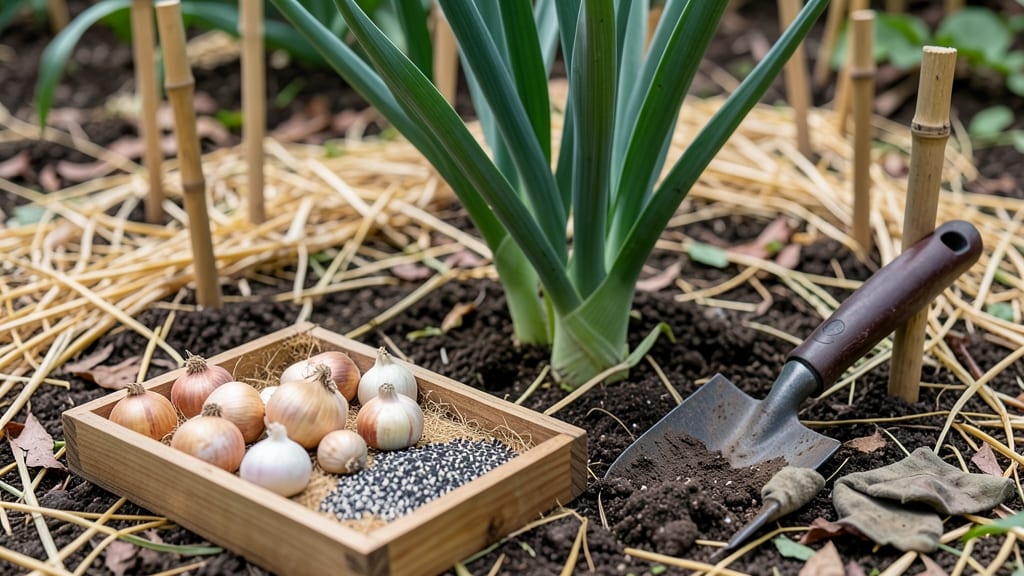
When do you plant onions in Georgia? Timing your 🧅 onion plantings in Georgia isn’t just about following a calendar—it’s about outsmarting the state’s unpredictable weather swings and heat spikes that can turn your crop into bitter greens before you even get a harvest. Whether you’re a first-time gardener or a seasoned grower, getting those sets in the ground at the wrong time means watching your hard work bolt into seed stalks instead of swelling into sweet, plump bulbs.
Here’s the secret: Georgia’s 7b-8a climate gives you two prime windows—late winter/early spring and late summer/early fall—each with its own tricks to avoid common mistakes.
Plant too early, and your onions might rot in soggy soil; too late, and the summer heat will send them shooting up before they bulb. I’ll walk you through the exact months to aim for, plus which cold-hardy varieties actually thrive in Georgia’s mild winters without turning to mush.
You’ll also discover how to adjust your schedule based on whether you’re in the Piedmont’s cooler springs or the coastal plains’ extended growing season. No more guessing games—just a clear, step-by-step plan to maximize your harvest from April through November. Let’s get those onions in the ground the right way.
The best part? These strategies work whether you’re growing in raised beds, containers, or straight in the garden soil. By the end, you’ll know exactly when to plant for zero-frost success, how to prep your soil for Georgia’s clay-heavy dirt, and which varieties play nice with the heat.
Ready to turn your onion dreams into reality?
Georgia’s two best onion planting windows: spring vs fall timing explained
Georgia’s mild winters and hot summers mean onions thrive in two distinct planting windows—spring and fall. Unlike northern states, you can avoid bolting (premature flowering) by choosing the right variety and timing.
The key? Plant 60-90 days before your expected first frost (usually mid-November) for fall harvests, or 2-3 months before last frost (around March 15) for spring.
Spring-planted onions need cold exposure to form bulbs, so choose short-day varieties like 'Texas Early White' or 'Yellow Granex'. Fall-planted onions, however, benefit from Georgia’s cooler nights and warmer days, making them ideal for 'Red Creole' or 'Sweet Spanish'. Both strategies work—but timing is everything.
⚠️ CRITICAL NOTE: Georgia’s USDA Zones 7b-8a mean no harsh winters, so onions won’t survive winter outdoors. Always treat them as annuals and harvest before first frost. For year-round green onions, plant every 2-3 months.
| Planting Window | Best Varieties | Planting Months | Days to Harvest | Key Risk |
|---|---|---|---|---|
| Spring | Texas Early White, Yellow Granex | February–March | 90–120 days | Bolting from heat |
| Fall | Red Creole, Sweet Spanish | August–September | 100–130 days | Fungal diseases |
🌱 Pro Tip: For larger bulbs, plant sets (pre-grown onions) instead of seeds.
Spring planting starts as early as February in coastal Georgia (like Savannah) but wait until late February to March in northern zones (like Athens or Dalton).
The goal? Get onions 4-6 inches tall before soaring summer temps trigger bolting. Use shade cloth (30-50%) if planting in May to protect young plants.
Fall planting is trickier—aim for August 1–September 15 to ensure bulbs mature before first frost. Short-day onions (like '1015Y') are your best bet, as they won’t bolt from Georgia’s long daylight hours. Mulch with straw to insulate bulbs and prevent splitting from uneven growth.
Both seasons require well-draining soil with a pH of 6.0–7.0. Test your soil 4-6 weeks before planting—Georgia’s clay-heavy soils (common in Piedmont) need compost or sand to improve drainage. Never plant in low-lying areas where water pools after rain.
For green onions (scallions), you can plant year-round in Georgia, but spring and fall yield the thickest stalks. Harvest outer leaves as needed—they’ll keep regrowing for 3-4 months per planting. This is the easiest way to enjoy fresh onions without the timing stress of bulbs.
Remember: Onions hate heat. If your spring planting gets too hot (85°F+ for weeks), switch to fall or grow green onions instead. The fall window is your safest bet for large, sweet bulbs in Georgia’s climate.
Start with small batches to test your timing—once you nail the perfect month for your microclimate, you’ll enjoy homegrown onions from April through November. Happy planting! 🧅
How to adjust planting dates by Georgia region (coastal vs Piedmont vs mountains)
Georgia’s diverse climate zones mean your onion planting schedule should shift dramatically depending on whether you’re in Savannah’s coastal warmth, Atlanta’s Piedmont variability, or the Appalachian foothills’ cooler springs.
Each region has unique frost dates and soil conditions that demand tailored timing to avoid bolting or stunted growth.
For coastal Georgia (USDA Zone 8a), where winters are mild and frost is rare, you can plant onion sets as early as January for a spring harvest. The last frost typically hits around February 15, giving you a longer growing window than inland areas.
In Piedmont (Atlanta area, Zone 7b), aim for February 20–March 15 for spring plantings, as frost can linger until mid-March. For fall, plant August 1–September 15 to harvest before the first frost in November.
| Region | Spring Planting Window | Fall Planting Window | Key Soil Prep Tip |
|---|---|---|---|
| Coastal (Savannah) | January–February 15 | August 15–September 30 | Amend sandy soil with compost |
| Piedmont (Atlanta) | February 20–March 15 | August 1–September 15 | Test pH (6.0–7.0) and lime if needed |
| Mountains (Blue Ridge) | March 15–April 15 | July 15–August 30 | Use raised beds for drainage |
In the mountain regions (Zone 7b-6b), where springs are cooler, delay planting until March 15–April 15 to avoid frost damage. For fall, plant July 15–August 30—earlier than Piedmont—to ensure bulbs mature before early frosts in October.
Regardless of your location, soil preparation is critical. Coastal areas often have sandy soil, while Piedmont gardens may need lime adjustments for pH balance. Mountain gardeners should prioritize drainage to prevent rot in heavy clay soils.
Pro tip: Use short-day onion varieties like ‘Texas Early White’ for fall plantings—they’re better suited to Georgia’s heat than long-day types. Mulch with straw to retain moisture and suppress weeds during the hottest months.