
Plants
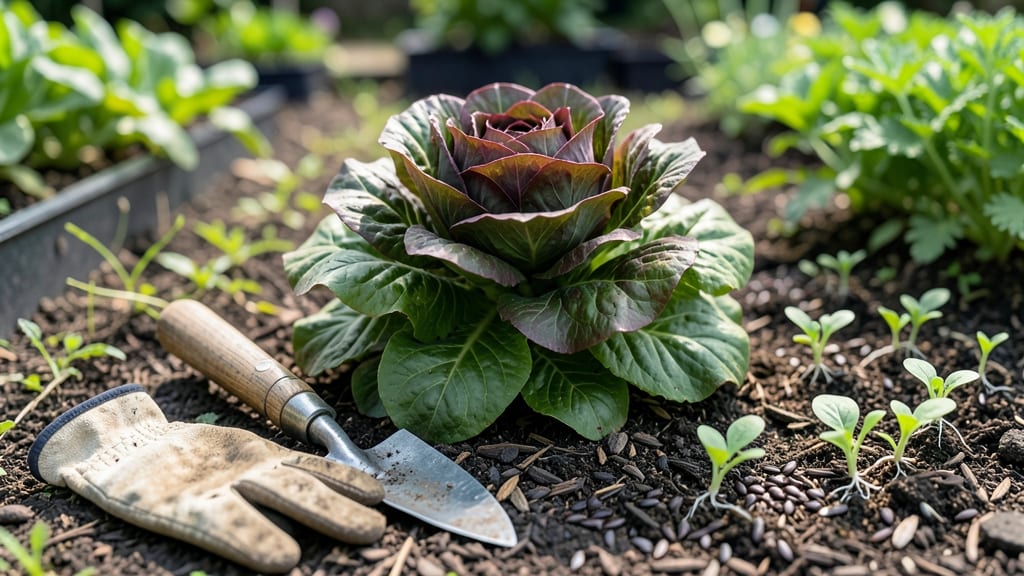
Planting lettuce in Texas at the wrong time can turn your crisp 🥬 into bitter disappointment—but timing it right unlocks a thriving harvest year-round. With scorching summers and unpredictable winters, knowing the exact months to plant lettuce in Texas means avoiding bolting, pests, and wasted effort.
Most gardeners assume spring is the only window, but Texas actually offers three ideal planting seasons. Whether you're in North, Central, or South Texas, the key is understanding how microclimates affect your lettuce's success. Let me show you exactly when to start seeds and transplants for maximum yield.
Heat-resistant varieties like 'Jericho' or 'Black Seeded Simpson' can push your growing window later into spring, while shade cloth and mulching extend summer harvests. The secret isn't just about months—it's about working with Texas' unique growing conditions to keep your lettuce happy and productive.
Ready to grow lettuce that thrives in Texas heat? I'll walk you through the best planting months, variety selection, and pro tips to keep your greens crisp all season long. Let's get started!
Best months to plant lettuce in Texas: a seasonal breakdown by region
Texas’s diverse climate means your lettuce planting schedule depends heavily on your USDA zone and microclimate. North Texas gardeners (Zones 7-8) enjoy longer growing seasons, while South Texas (Zones 9-10) can grow lettuce year-round with the right heat-resistant varieties.
The key? Avoiding summer heat (above 85°F) that triggers bolting, and protecting seedlings from late winter freezes.
For most Texans, the sweet spot is fall and spring planting, with strategic winter crops in protected beds. Let’s break down the optimal planting windows by region, including frost dates and heat tolerance tips to maximize your harvest.
🌱 Visual Guide: Texas Lettuce Planting Calendar
| Region | Best Planting Months | Avoid Planting | Key Notes |
|---|---|---|---|
| North Texas (Zones 7-8) | September-October, March-April | June-August, December | First frost: November. Use row covers for winter crops. |
| Central Texas (Zones 8-9) | August-September, February-March | May-July, December-January | First frost: late November. Shade cloth helps in summer. |
| South Texas (Zones 9-10) | September-October, January-February | April-July | No frost risk. Focus on heat-tolerant varieties. |
| All Regions | Succession plant every 2 weeks | Direct seed in hot summer months | Use drip irrigation to prevent bolting. |
In North Texas, aim for September-October and March-April plantings. The first frost typically arrives in November, so protect late-season crops with floating row covers or move pots indoors. For Central Texas, shift your focus to August-September and February-March to avoid the brutal summer heat.
South Texas gardeners have the advantage of year-round growing, but even here, April-July is a no-go for traditional lettuce. Instead, opt for heat-resistant varieties like 'Jericho' or 'Black Seeded Simpson' and plant in September-October or January-February for peak performance.
Pro tip: Succession planting every 2 weeks ensures a continuous harvest. For example, if you plant your first batch in September, follow up with seeds in October, November (under cover), and even January for a spring crop.
This strategy works especially well in containers or raised beds where you can control microclimates.
One common mistake is planting lettuce in summer without shade. Even with shade cloth, most varieties will bolt within 2-3 weeks when daytime temps exceed 85°F.
If you’re determined to grow summer lettuce, choose leaf varieties like 'Oakleaf' or 'Red Sails'—they’re faster to mature and more tolerant of heat.
For winter crops, focus on cold-hardy varieties like 'Winter Density' or 'Arctic King'. These can handle light frosts (down to 20°F) and even improve in flavor after exposure to cool temperatures. Just be sure to mulch heavily to protect roots from temperature swings.
🌿 Key Takeaway: Texas lettuce success hinges on timing and variety selection. Stick to fall and spring, use shade cloth in summer, and never skip succession planting for a steady supply of fresh greens.
Heat-resistant lettuce varieties that thrive in Texas summers
Texas summers can turn your lettuce into sad, bolting messes—but not if you pick the right varieties. Heat-resistant lettuce like 'Jericho' and 'Black Seeded Simpson' stay crisp and sweet even when temps hit 95°F+.
These varieties are bred to handle Texas' brutal heat without going bitter or flowering too soon. I’ve grown these in my East Texas garden, and they’ve never let me down.
For leaf lettuce lovers, 'Oakleaf' and 'Red Sails' are fantastic choices. They bolt slower than traditional head lettuces and produce harvestable leaves in just 30 days. Meanwhile, 'Romaine' varieties like 'Parris Island' hold up better in heat than iceberg types, making them perfect for year-round Texas growing.
If you’re in South Texas, where summers last longer, these heat-tolerant picks are your best bet.
| Variety | Type | Heat Tolerance | Days to Harvest | Best For |
|---|---|---|---|---|
| Jericho | Butterhead | Very High | 50-60 | Salads, heat waves |
| Black Seeded Simpson | Loose-Leaf | High | 30-45 | Cut-and-come-again |
| Oakleaf | Leaf | High | 45-55 | Urban containers |
| Parris Island Romaine | Romaine | Moderate-High | 60-70 | Sandwiches, heat |
| Red Sails | Leaf | High | 35-45 | Colorful salads |
If you’re growing head lettuce, 'Little Gem' and 'Lollo Rossa' are two of my top picks for Texas gardens. They stay crisp longer in heat and don’t bolt as quickly as iceberg.
For shade-loving varieties, 'Green Ice' and 'Winter Density' perform well under partial shade, which is a game-changer in Central Texas where afternoon sun can be brutal.
Pro tip: Pair these varieties with drip irrigation to keep roots cool. I’ve seen lettuce bolt 3x faster when watered inconsistently, so a morning watering schedule is non-negotiable. Even heat-tolerant varieties need consistent moisture to avoid bitterness.
For container growing, 'Salad Bowl' and 'Merlot' are compact and perfect for balconies or patios. They thrive in 5-gallon pots and can be harvested leaf by leaf, extending your growing season by weeks.
If you’re in West Texas, where summers are even hotter, these container varieties let you grow lettuce year-round with minimal fuss.
Remember, even the best heat-resistant lettuce will struggle if planted in full afternoon sun without shade. If your garden gets hotter than 90°F after noon, consider using 30% shade cloth or planting near taller crops like tomatoes or cucumbers for natural shade.
It’s a small tweak that makes a huge difference** in Texas summers.