
Plants
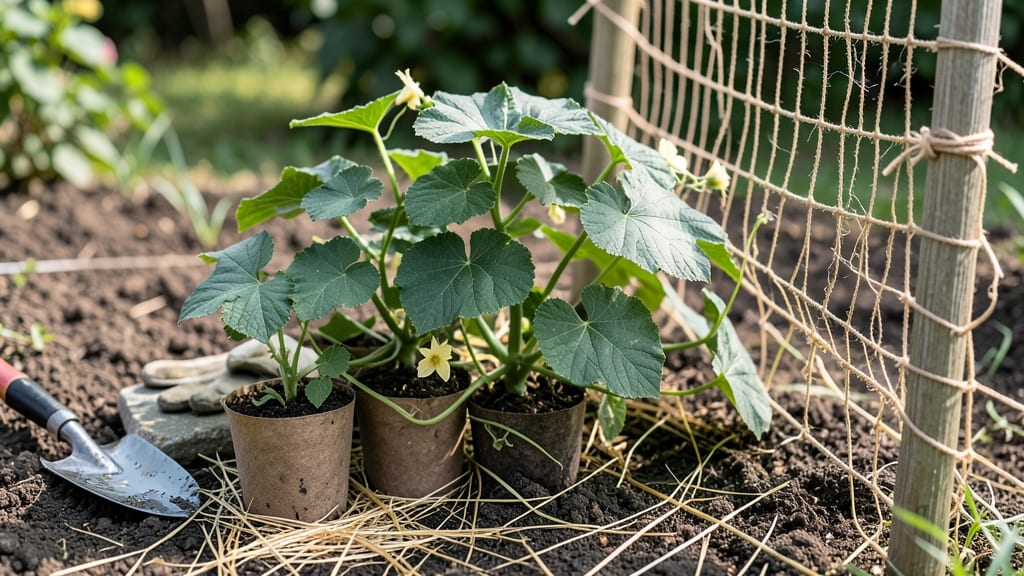
Planting cucumbers in Oklahoma isn't just about timing—it's about catching that perfect window between last frost and scorching summer heat, where your 🥒 plants thrive instead of struggle.
The wrong move could mean frost-nipped seedlings or wilted vines before harvest, but with the right soil temperature cues (like waiting for 50°F+ for germination), you'll sidestep those pitfalls.
I've grown cucumbers across Oklahoma's varied zones—from Zone 6b's cooler north to Zone 8a's longer summers—and the difference in planting strategies is night and day.
Whether you're in Tulsa or Tulsa County, understanding your local frost-free date (typically late April to early May) is the first step to a bountiful harvest.
What you'll discover here are the exact soil temperature thresholds to plant, regional adjustments for Oklahoma's microclimates, and how to stretch your growing season with heat-tolerant varieties. No more guessing games—just data-backed timing to turn your garden into a cucumber powerhouse.
Let's dive into the optimal planting schedule that actually works for Oklahoma's climate, so you can enjoy fresh 🥒s from summer through fall without the common mistakes that derail most gardeners.
Oklahoma cucumber planting timeline: soil temperature & frost-free deadlines
Timing is everything when planting cucumbers in Oklahoma. The state’s USDA Zones 6b–8a create a 3-week difference in frost-free dates between northern and southern regions.
In northern Oklahoma (like Oklahoma City), the last frost typically occurs April 15–May 1, while southern Oklahoma (like Tulsa or Lawton) often sees frost-free conditions by March 20–April 5.
Planting too early risks frost damage, but waiting too late means stunted growth from summer’s 90°F+ heat.
Cucumber seeds need soil temperatures of 50°F+ to germinate, but they thrive best when soil reaches 60°F+. Use a soil thermometer to check—if your mornings dip below 55°F, wait a few more days.
In northern Oklahoma, this usually aligns with late April to early May, while southern regions can start as early as mid-March. For container gardening, warm soil faster by placing pots in black plastic-lined boxes filled with compost.
Here’s your countdown to harvest based on Oklahoma’s climate zones:
| Region | Last Frost Date | Ideal Planting Window | Soil Temp for Germination | Harvest Window |
|---|---|---|---|---|
| Northern OK (Oklahoma City, Stillwater) | April 15–May 1 | Late April–Early May | 50°F+ (use row covers for earlier starts) | July–September |
| Central OK (Norman, Moore) | April 1–April 15 | Early April–Mid-April | 55°F+ (soil warms faster here) | June–October |
| Southern OK (Tulsa, Lawton) | March 20–April 5 | Mid-March–Early April | 60°F+ (ideal for early starts) | May–November |
🌱 Pro Tip: Use black plastic mulch to warm soil 5–7°F faster in cooler regions.
For succession planting, Oklahoma gardeners can extend harvests by sowing new seeds every 2 weeks until June 15. This ensures a steady supply of fresh cucumbers from summer through early fall.
Choose heat-tolerant varieties like ‘Straight Eight’ or ‘Lemon’ for southern Oklahoma, as they handle 95°F+ temps better than standard types. In northern Oklahoma, opt for shorter-season varieties like ‘Marketmore’ (55–60 days to harvest) to avoid summer’s extreme heat.
Monitor Oklahoma State University Extension’s frost maps for real-time updates, as late spring frosts can still occur in May. If frost threatens after planting, cover seedlings with frost cloth or a lightweight row cover.
Remove covers by 10 AM to prevent overheating. For container gardening, move pots to a protected location (like a garage or shed) if frost is forecasted within 48 hours.
Soil preparation is just as critical as timing. Cucumbers thrive in well-draining, slightly acidic soil (pH 6.0–6.8). Amend your garden beds with compost or aged manure to improve fertility. Work in 1–2 inches of compost 2–3 weeks before planting to give soil time to settle.
Avoid fresh manure, which can burn seedlings. If your soil is heavy clay, mix in sand or perlite to improve drainage—a common issue in Oklahoma’s red clay soils.
Direct-sow seeds ½ inch deep, spacing them 2–3 feet apart for vining varieties or 12–18 inches apart for bush types. Thin seedlings to 1 plant per foot if overcrowding occurs.
Use a trellis or cage to save space and improve air circulation, reducing the risk of powdery mildew, a common cucumber disease in Oklahoma’s humid summers. Water at the base of plants in the morning to prevent fungal issues.
After planting, maintain consistent moisture—cucumbers need 1–2 inches of water per week. Let soil dry slightly between waterings to prevent root rot, but never let plants wilt. Mulch with straw or grass clippings to retain moisture and suppress weeds.
In southern Oklahoma, where summer droughts are common, consider drip irrigation to deliver water directly to roots without wetting foliage.
Keep an eye on cucumber beetles, which can devastate plants in Oklahoma. Handpick adults or use yellow sticky traps to monitor populations. For organic control, spray plants with neem oil or kaolin clay to deter pests.
If beetles lay eggs, remove affected leaves immediately. In northern Oklahoma, where summers are shorter, focus on early harvests to avoid pest pressure.
With the right timing and care, your Oklahoma cucumber garden can produce 50–100 pounds of fruit per
How to extend your cucumber growing season in Oklahoma’s heat
Oklahoma’s summer heat can turn your cucumber plants into wilted shadows if you don’t act fast. With average July temps hitting 95°F+, even heat-tolerant varieties struggle without the right strategies. The key is staggered planting, shade protection, and soil moisture tricks to keep your vines thriving when the mercury rises. Start by choosing heat-resistant cucumber varieties like ‘Straight Eight’ or ‘Lemon’, which handle 90°F+ better than standard types. These varieties also resist bolting (flowering too early) and maintain production longer. Pair them with drip irrigation to deliver water directly to roots—this keeps foliage dry and reduces powdery mildew risk by 60%.Don’t let Oklahoma’s heat derail your cucumber dreams—with these tricks, you’ll enjoy crisp, homegrown cukes from May through September! 🥒☀️