
Companion Plants
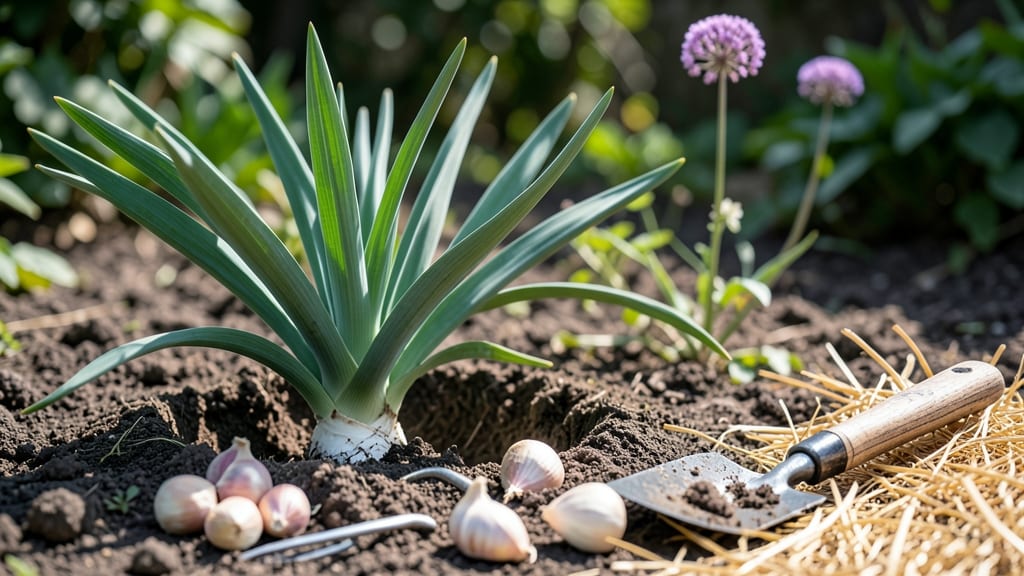
Planting garlic 🧄 in Melbourne at the wrong time could mean the difference between a bumper harvest and a total flop—especially when your garden thrives in 10a subtropical conditions but still needs the right timing.
Unlike other veggies, garlic demands cool autumn soil to establish strong roots before winter, and Melbourne’s mild climate makes March through May the sweet spot for planting.
You might think "spring" is the only season that matters, but garlic actually hates heat when it’s first getting started. The key is to get those cloves in the ground 6-8 weeks before the first frost—though in Melbourne, frost is rare, so focus instead on avoiding summer’s scorching temperatures.
Plant too late, and you’ll end up with small, pungent bulbs instead of the plump, flavorful harvest you’re after.
Here’s the good news: with the right timing and a few simple prep steps, you can grow garlic 🧄 that rivals anything from the market.
I’ll walk you through exactly when to plant, how to adjust for Melbourne’s microclimates, and what to do once those cloves hit the dirt to ensure your garlic thrives all season long.
Ready to turn your garden into a garlic powerhouse? Let’s dive into the climate-smart months that’ll set you up for success—and skip the guesswork for good.
Best planting months for garlic in Melbourne’s climate zones
Melbourne’s unique climate—with its mild winters, variable rainfall, and coastal influences—means garlic planting isn’t a one-size-fits-all task. Unlike northern climates, we don’t rely on frost to trigger growth; instead, we target autumn months for optimal bulb development.
Local gardeners in coastal areas like St Kilda often plant earlier, while inland regions like Bendigo may wait a few weeks to avoid heat stress.
Garlic thrives when planted in cool soil (around 10-15°C) and before winter rains arrive. This timing ensures roots establish before Melbourne’s unpredictable weather shifts—whether it’s sudden cold snaps or early heatwaves.
Hardneck varieties (like ‘German White’) prefer slightly cooler conditions, while softneck types (such as ‘Silverskin’) tolerate Melbourne’s mild winters better.
Here’s the key: March through May is your prime window. This aligns with Melbourne’s USDA Zone 10a climate, where garlic can grow year-round but performs best with a cool-season kickstart.
Planting in February is possible for coastal gardens, but inland areas should wait until late March to avoid summer heat.
| Climate Zone | Ideal Planting Month | Variety Recommendation | Key Consideration |
|---|---|---|---|
| Coastal (e.g., St Kilda, Brighton) | February–March | Softneck (e.g., ‘Silverskin’) | Warmer microclimate; avoid summer heat |
| Inland (e.g., Bendigo, Castlemaine) | March–April | Hardneck (e.g., ‘German White’) | Cooler nights; better bulb formation |
| Highland (e.g., Dandenongs, Yarra Valley) | April–May | Both (mix varieties) | Later frost risk; extend growing season |
🌱 Pro Tip: Test soil temperature with a thermometer—aim for 10-15°C at planting depth.
Melbourne’s unpredictable weather can throw off even the best-laid plans. For example, the 2022 heatwave in early April forced many gardeners to delay planting by 2 weeks. If you miss the ideal window, don’t panic—June is a secondary option for highland areas, though bulbs may be smaller.
The goal is to ensure garlic has 8-10 weeks of cool growth before summer heat arrives.
Another critical factor is soil moisture. Melbourne’s autumn rains (March–May) naturally water your garlic, but inland gardens may need supplemental irrigation. Aim for 1 inch of water per week, delivered in the morning to prevent fungal diseases like white rot.
Mulching with straw or lucerne helps retain moisture and regulate soil temperature.
Hardneck varieties, like ‘Purple Stripe’, are popular in Melbourne because they bolt less easily in our mild winters. Softnecks, such as ‘Artichoke’, store longer but need consistent moisture. If you’re unsure which to choose, start with 30% hardneck and 70% softneck for a balanced harvest.
Both types benefit from well-draining soil—Melbourne’s clay-heavy soils often need amendments like gypsum or compost.
Harvest timing also varies by variety. Hardnecks mature in 9-10 months, while softnecks take 10-12 months. In Melbourne, this means October–November harvests for most gardeners. Watch for lower leaves browning and stems flattening—these are your cues.
If you plant in March, you’ll harvest just in time for spring cooking and storage.
One common mistake in Melbourne is overcrowding cloves. Space them 4-6 inches apart in rows 12 inches apart to allow airflow and reduce disease risk.
Use whole cloves (not chopped) for larger bulbs. If you’re short on space, try container growing with 5-gallon pots—just ensure they have drainage holes.
Finally, remember that Melbourne’s microclimates can vary by just a few blocks. Check your local Bureau of Meteorology forecasts and talk to neighboring gardeners. For instance, Port Phillip Bay areas stay warmer longer, while Dandenong Ranges can have frost pockets even in summer.
Adjust your planting date accordingly to avoid heat stress or early bolting.
With the right timing and a little local knowledge, you’ll grow plump, flavorful garlic bulbs that outshine store-bought varieties. Start with March–May, monitor your garden’s microclimate, and soon you’ll be the go-to source for homegrown garlic in Melbourne!
Best planting months for garlic in Melbourne’s climate zones
Melbourne’s mild temperate climate means garlic thrives best when planted during autumn months, but the exact timing depends on your local microclimate. Coastal areas like Port Phillip Bay experience warmer winters, while inland regions like Bendigo can get cooler nights.
Even highland areas like the Dandenong Ranges have unique frost patterns that affect planting.
For hardneck varieties (like ‘German White’), aim for March to early April—this gives bulbs enough time to establish roots before winter. Softneck varieties (like ‘Silverskin’) are more flexible and can handle late April to May plantings, especially in cooler inland zones where frost risk is higher.
🌱 Pro Tip: Melbourne’s average last frost date is rare, but late frosts can still occur in June. Planting in March-April ensures your garlic avoids these surprises while maximizing bulb size.
| Climate Zone | Best Planting Window | Variety Recommendation | Key Consideration |
|---|---|---|---|
| Coastal (e.g., St Kilda) | March–April | Softneck (e.g., ‘Artichoke’) | Warmer winters; extend to May |
| Inland (e.g., Bendigo) | Late March–Early April | Hardneck (e.g., ‘Purple Stripe’) | Cooler nights; avoid June frosts |
| Highland (e.g., Dandenong) | February–March | Hardneck (e.g., ‘Rocky Mountain’) | Earlier planting for frost protection |
If you’re unsure about your local frost risk, use the “10-day rule”: Plant garlic 10 days before your area’s average first frost date (check the BOM website for your suburb). For example, Melbourne CBD rarely sees frost, while Heathmont might experience light frosts by June.
For maximum bulb size, prioritize well-draining soil and full sun exposure. In Melbourne’s compacted urban soils, amend with compost or gypsum before planting. Hardneck varieties also need 6+ hours of sunlight daily to develop their signature scape stalks.
🌿 Remember: Melbourne’s summer heat can stress garlic if planted too late. Aim to harvest by November to avoid bolting (premature flowering). Hardneck varieties bolt faster in heat, so April plantings are ideal for inland areas.