
Flowers
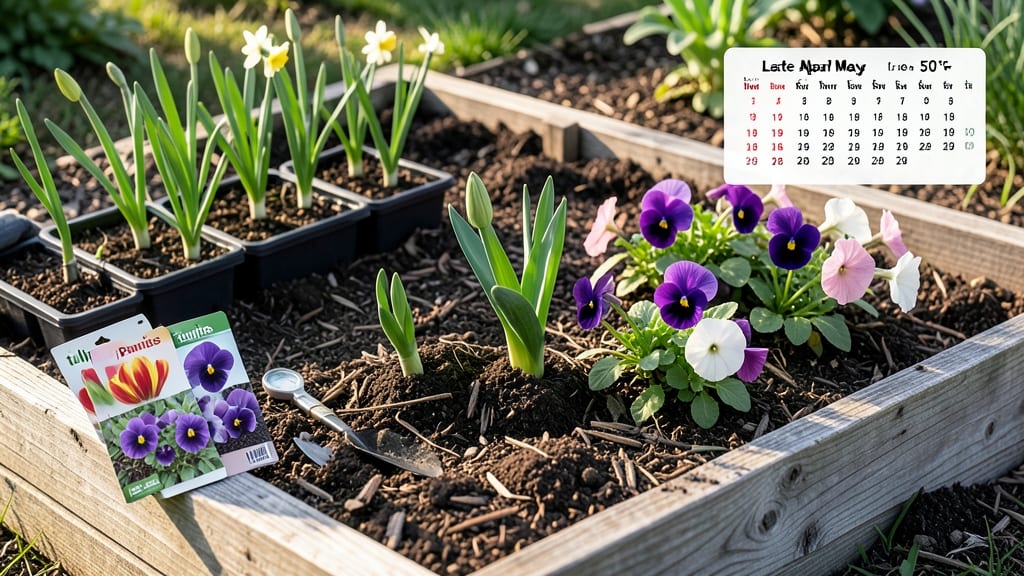
Timing your flower planting in Michigan can mean the difference between a garden bursting with vibrant 🌸 blooms and one that barely survives the first frost—so let’s get this right from the start.
You’ve probably heard the general rule of thumb: wait until after the last frost. But in Michigan’s Zones 5b and 6a, that date shifts from late April in the south to mid-May in the north.
Getting it wrong could leave your tulips or marigolds struggling—or worse, dead before they even bloom.
Here’s the good news: with the right schedule, you can plant cool-season flowers like pansies as early as March (yes, really) and still enjoy summer-long color from heat-loving varieties like zinnias.
I’ll break down the exact windows for both spring and fall planting—plus how to adjust if Mother Nature throws you a curveball.
Ready to turn your Michigan garden into a showstopper? Let’s dive into the frost-free dates, flower types, and pro tips that’ll have your yard looking like a postcard by summer.
Michigan last frost dates by Zone: 5b vs 6a planting schedule
Michigan’s USDA Zones 5b and 6a create distinct planting windows for your flowers. Zone 5b (northern Michigan) typically has a later last frost around May 15, while Zone 6a (southern Michigan) averages April 25.
These dates mark when you can safely plant warm-season flowers like marigolds and zinnias after the soil warms to 50°F (10°C).
For cool-season flowers like pansies or snapdragons, you can start seeds indoors as early as March 1 in both zones. These hardy blooms tolerate light frosts and even thrive in cooler temperatures.
Always check your local Michigan State University Extension for hyper-local adjustments—some years bring early or late frosts that shift these dates by 1-2 weeks.
Here’s a quick reference for your planting timeline based on Michigan’s zones:
| Zone | Last Frost Date | Plant Warm-Season Flowers | Plant Cool-Season Flowers |
|---|---|---|---|
| 5b (Northern MI) | May 15 | After May 15 (soil at 50°F) | March 1 (indoors) or April 15 (outdoors) |
| 6a (Southern MI) | April 25 | After April 25 (soil at 50°F) | February 15 (indoors) or March 15 (outdoors) |
Warm-season flowers like petunias and geraniums need those warmer temps to germinate, so don’t rush them into cold soil. Test your soil temperature with a soil thermometer—it’s the most accurate way to confirm readiness.
For Zone 6a, you can even plant tender annuals like impatiens a week earlier than Zone 5b gardeners.
Fall planting is another key window for Michigan gardeners. Biennial flowers like foxgloves and hollyhocks benefit from being planted in late summer (August-September), giving their roots time to establish before winter. This strategy often results in earlier and more robust blooms the following spring.
If you’re in Zone 5b, aim to plant fall flowers by September 15 to avoid early frosts. In Zone 6a, you have until October 1.
Use mulch to insulate soil and protect emerging roots from temperature swings. A 2-3 inch layer of straw or shredded leaves works perfectly.
For bulbs like tulips, plant them in fall (October-November)—they need cold stratification to bloom the following spring. This timing ensures they’re established before Michigan’s first frost, which typically arrives in mid-October for Zone 5b and early November for Zone 6a.
Remember, Michigan’s weather is famously unpredictable. Even if the calendar says it’s safe, a late frost can still sneak in. Use frost cloth or row covers for an extra layer of protection for your tender seedlings until you’re confident the danger has passed.
Pro tip: Mark your calendar with your local last frost date and set reminders for 6-8 weeks before that date. This gives you time to harden off seedlings and prepare your garden beds for planting. With these dates in hand, you’ll never miss a planting window again!
Best flowers to plant in Michigan by season: timing tips for full blooms
Michigan’s variable climate means your flower planting schedule should shift with the seasons. Whether you’re dreaming of vibrant summer blooms or hardy fall flowers, knowing the right planting windows will give you the most stunning garden.
Let’s break down the best flowers to plant by season and how to time it perfectly for Michigan’s Zone 5b and 6a.
For spring bloomers, start with tulips and daffodils—plant their bulbs in fall (September-October) so they’ll reward you with early color. Annuals like pansies and violas can handle cool spring soil and will brighten your garden as soon as the frost risk passes, usually by mid-April in Zone 6a or late April in Zone 5b.
- 🌱 March-April: Plant hardy perennials like peony and iris once soil is workable.
- 🌿 Mid-April (Zone 6a) / Late April (Zone 5b): Sow cool-season annuals like pansies and snapdragons after last frost.
- 🌷 May: Transplant tender perennials (e.g., black-eyed Susan) and direct-sow sunflowers.
Summer is all about bold annuals that thrive in Michigan’s warm, sunny days. Marigolds, zinnias, and cosmos are easy to grow from seed and will bloom nonstop from June through frost.
For extended color, plant petunias and geraniums after the last frost date—usually May 15 in Zone 6a and June 1 in Zone 5b.
Don’t overlook fall planting! Many perennials and bulbs benefit from being planted in early fall (September-October), giving their roots time to establish before winter. Chrysanthemums and asters will add late-season color, while fall-planted bulbs like crocuses will surprise you with early spring blooms.
Even some annuals like sweet alyssum can handle light frosts and add a delicate touch to your garden as temperatures drop.
Pro tip: Use mulch to protect fall-planted flowers from early frosts. A 2-3 inch layer of straw or shredded leaves will insulate roots and keep soil temperatures stable. This small step can mean the difference between wilted blooms and a prolonged flowering season.
For Michigan gardeners, the key to year-round blooms is layering plants with different planting times. Start with early spring bulbs, add summer annuals, and finish with fall perennials—this way, your garden stays colorful from March through October.
With these timing tips, you’ll never have a bare patch again!