
Plants
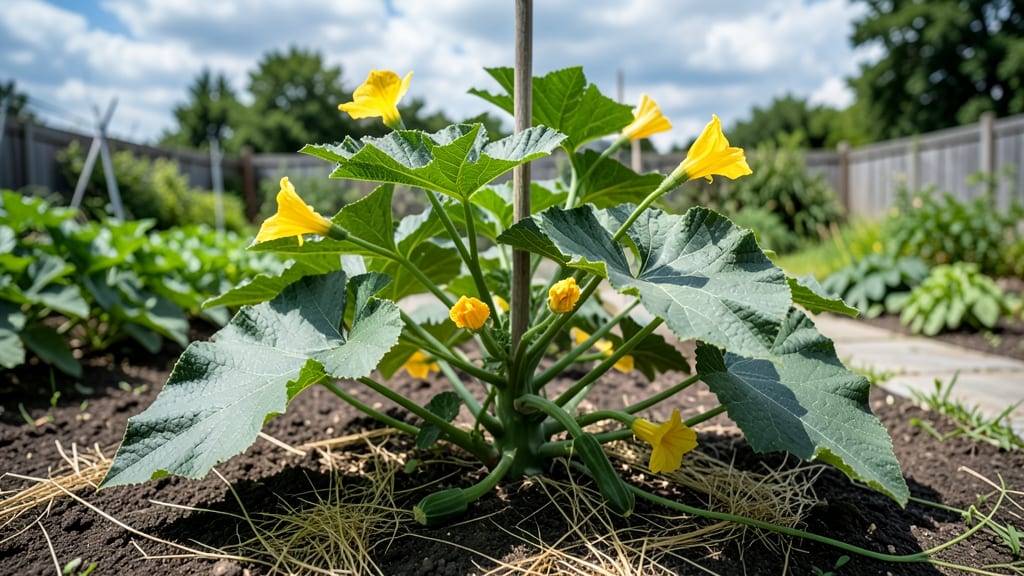
Wondering how tall your zucchini plants 🎃 will grow this season? The answer isn't one-size-fits-all—some varieties stay compact like a 2-foot bush, while others stretch toward the sky like 6-foot vines, and getting the support right can mean the difference between a thriving harvest and a tangled mess.
If you've ever planted zucchini only to watch it sprawl unpredictably, you're not alone. The height of your plants depends on more than just genetics—sunlight, pruning, and even the variety you choose play a huge role.
I'll break down exactly what to expect from each type, so you can plan your garden layout with confidence and avoid common mistakes that stunt growth.
The key to managing zucchini height starts with knowing your plants' potential. Bush varieties stay low and sturdy, while vining types need trellises or cages to reach their full height without taking over your garden.
I'll show you how to support them properly, whether you're working with limited space or a sprawling backyard, and how to maximize your yield without sacrificing quality.
Ready to turn your zucchini patch into a productive, space-efficient zone? Let's dive into the exact heights by variety, the best support strategies, and the simple tricks that keep your plants happy—and your harvest bountiful—all season long.


Zucchini plant height by variety: compact vs. vining types
Zucchini plants come in a surprising range of heights, from compact bush varieties that stay under 2 feet to sprawling vining types that can reach 6 feet or more. The height you’ll end up with depends entirely on the variety you choose—and whether you provide support.
For example, my 'Eight Ball' zucchini plants stay neatly contained at just 12–18 inches, while my 'Black Beauty' vines stretch toward the sky if left unchecked.
Knowing these height differences is key to planning your garden layout. A 6-foot vining zucchini planted in a small container will quickly outgrow its space, while a compact bush variety might not produce as much if crowded.
I’ve learned the hard way that ignoring these details can lead to tangled vines, missed harvests, or even broken trellises under the weight of heavy fruit!
Here’s a breakdown of the most popular zucchini varieties and their mature heights, so you can pick the perfect fit for your space:
| Variety | Type | Mature Height | Best For |
|---|---|---|---|
| Eight Ball | Bush | 12–18" | Containers, small spaces |
| Patio Star | Bush | 18–24" | Balconies, raised beds |
| Black Beauty | Vining | 4–6 ft | Trellises, large gardens |
| Costata Romanesco | Vining | 3–5 ft | Vertical gardens, heirloom varieties |
| Gold Rush | Bush | 20–24" | Small gardens, early harvests |
| Rampage | Vining | 5–7 ft | Trellises, high yields |
| Sunburst | Bush | 18–24" | Containers, urban gardens |
If you’re working with limited space, bush varieties like 'Eight Ball' or 'Patio Star' are ideal—they stay compact and produce abundantly without needing support.
Meanwhile, vining types like 'Black Beauty' or 'Rampage' will reward you with larger fruits but require trellises or cages to keep them off the ground and maximize your garden’s vertical real estate.
One mistake I’ve seen new gardeners make is assuming all zucchini plants grow the same way. Vining varieties can sprawl up to 7 feet if given the chance, while bush types might only reach 18 inches.
Planting a vining zucchini in a small pot without support will lead to frustrated plants—and frustrated you when harvest time comes!
For container gardening, stick to dwarf or bush varieties with mature heights under 2 feet. Even then, ensure your container is at least 12 inches deep and 18 inches wide to accommodate root growth.
I’ve had great success with 'Sunburst' in 5-gallon buckets, and the plants thrive with regular watering and morning sunlight.
If you’re growing zucchini in raised beds, leave 3–4 feet of space between vining plants to prevent overcrowding. Bush varieties can handle 18–24 inches of spacing, but remember: more space = better airflow, which reduces the risk of powdery mildew and other fungal diseases.
Trust me, your plants will thank you!
Pro tip: If you’re unsure about your variety’s growth habit, check the seed packet or plant tag. Many modern hybrids are bred for specific heights, like the 2-foot-tall 'Gold Rush' or the 6-foot 'Rampage'.
When in doubt, ask your local nursery—they’ve seen it all and can steer you toward the perfect match for your garden’s layout.
When and how to provide support for tall zucchini plants
Supporting your zucchini plants isn't just about aesthetics—it's about maximizing yield and preventing disease. Without proper support, vining varieties like 'Black Beauty' or 'Straight Eight' can sprawl up to 6 feet, creating tangled messes that block sunlight and invite pests.
The right support system keeps your plants upright, improves airflow, and makes harvesting a breeze.
Most zucchini varieties benefit from support once they reach 12-18 inches tall, but timing depends on your climate and variety. In warmer regions, you might need support earlier, while cooler areas can wait until plants are more established.
I recommend installing support within 3-4 weeks after germination to avoid overcrowding and stem stress.
There are three main support options: trellises, cages, and stakes. Trellises work best for vining varieties, allowing them to climb vertically and saving garden space. Cages are ideal for bush types or mixed varieties, while stakes provide targeted support for individual plants.
Each method has its pros, but the key is choosing based on your plant's mature height and your garden's layout.
Ignoring support needs can lead to stunted growth, fruit rot, and pest infestations. Signs your zucchini needs support include:
- Leaning stems that touch the soil
- Yellowing leaves from blocked sunlight
- Fruit touching the ground, increasing rot risk
For vining types, install support before plants reach 18 inches—delaying support can cause permanent damage to stems.
DIY support solutions are cost-effective and easy to assemble. For trellises, use bamboo stakes or metal cages (4-6 feet tall) and attach them to the ground with staples or twine.
For stakes, drive them 6 inches deep next to the plant and tie stems loosely with soft garden twine to avoid cutting into the plant. Avoid tight ties—they can strangle stems as plants grow.
When training vining zucchini, gently guide stems upward and secure them every 12-18 inches. Prune side shoots that form at leaf junctions to encourage upward growth and improve airflow. This not only supports the plant but also reduces disease risk by minimizing humidity trapped in dense foliage.
For heavy fruit loads, add extra support mid-season—a simple wire mesh or additional stakes can prevent toppling.
Pro tip: If you're growing zucchini in containers or small spaces, opt for dwarf varieties like 'Eight Ball' (18 inches tall) and use mini trellises or tomato cages. Even bush types benefit from light staking to keep fruits off the soil and improve visibility during harvests.
With the right support, you'll turn sprawling vines into a neat, productive vertical garden.