
How To
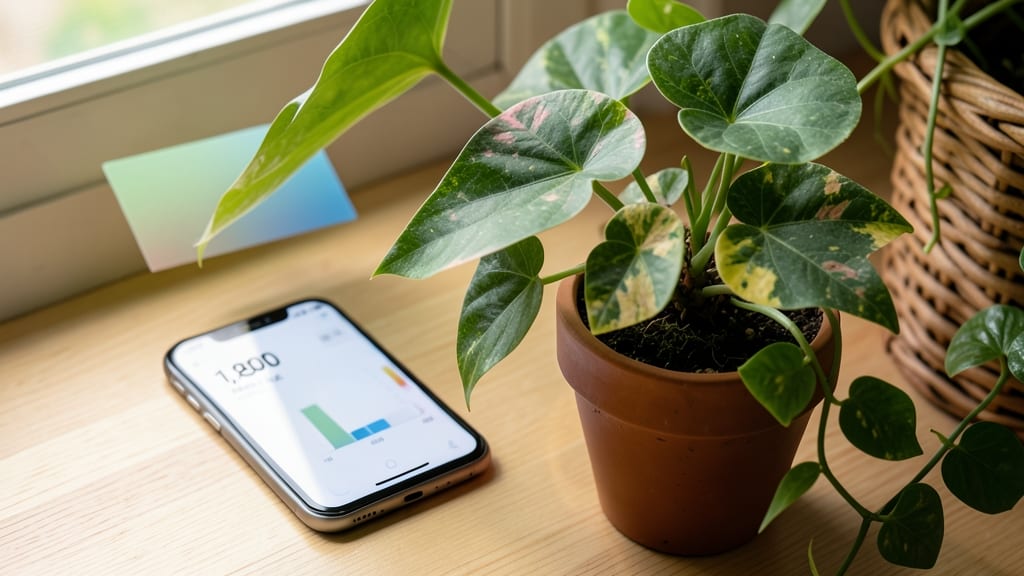
If your Arrowhead Plant 🌿 is struggling with pale leaves or stretched stems, you’re probably dealing with a light issue—and fixing it could be the game-changer your plant needs. This easygoing houseplant thrives in bright indirect sunlight, but too much or too little can send it into a downward spiral.
Most people assume any light will do, but the truth is, Arrowhead Plants are picky about their lighting conditions. Too much direct sun? Watch for crispy brown edges.
Too little light? You’ll see leggy growth and weak leaves. The key is finding that sweet spot where your plant gets enough brightness without getting stressed.
Don’t worry—adjusting the light doesn’t have to be complicated. Whether you’re dealing with a dim corner or a window that’s too harsh, I’ll show you exactly how to create the perfect lighting setup for your Arrowhead Plant. Let’s get your plant back to its vibrant best in no time.
From choosing the right window to using grow lights when natural light falls short, you’ll discover simple tricks to keep your Arrowhead Plant happy and thriving. Ready to transform those sad leaves into lush, healthy foliage?

Optimal light requirements for arrowhead plants: bright indirect sunlight explained
The arrowhead plant (Syngonium podophyllum) thrives in bright indirect sunlight, making it perfect for indoor spaces with filtered light. This tropical beauty needs about 4-6 hours of bright light daily, ideally between 3,000–5,000 lux—similar to the light under a canopy of trees.
Too little light causes leggy growth and pale leaves, while too much leads to brown leaf tips and scorched foliage.
Bright indirect light means the plant should never receive direct midday sun, which can cause sunburn. Instead, position it near east or west-facing windows where morning or late afternoon light gently filters in.
If your home lacks natural light, grow lights with full-spectrum bulbs can mimic these ideal conditions effectively.
Seasonal adjustments are key: during summer months, your arrowhead plant may need slightly more shade to protect it from intense afternoon rays. In winter, supplement with artificial light if natural light dims significantly.
Watch for yellowing leaves or slow growth—these are clear signs your plant needs more light.
Here’s how to identify bright indirect light in your space: stand near a window and hold your hand up. If you can see your shadow but still feel warmth, that’s the perfect spot. Avoid harsh shadows or cold drafts, which indicate direct sun or poor light quality.
| Light Condition | Ideal Placement | Signs of Stress |
|---|---|---|
| Bright Indirect Light | 1-3 ft from east/west window | Healthy green leaves, compact growth |
| Low Light | North-facing window or dim room | Leggy stems, pale leaves, slow growth |
| Direct Sunlight | South-facing window without filter | Brown leaf tips, crispy edges, wilting |
For new growth, ensure your arrowhead plant receives consistent light. If you notice stunted growth or small leaves, it’s likely not getting enough light. Rotate the pot quarter-turns weekly to ensure even exposure and prevent the plant from leaning toward the light source.
This simple habit promotes balanced, bushier growth.
If your home lacks natural light, LED grow lights are a game-changer. Place them 6-12 inches above the plant and provide 12-14 hours of light daily. Look for bulbs with a cool white or full-spectrum color temperature to mimic natural sunlight.
Avoid cheap bulbs, as they often emit too much heat, which can damage delicate foliage.
In winter months, when daylight is shorter, supplement with artificial light to maintain your plant’s health. Even 2-3 hours of extra light can prevent the etiolation (stretching) that occurs when plants don’t get enough light.
Pair this with regular misting to keep humidity levels high, as dry air exacerbates light-related stress.
Pro tip: Use a light meter app to measure lux levels in your space. Aim for 3,000–5,000 lux near your arrowhead plant. If readings are lower, adjust placement or invest in a grow light setup. This data-driven approach ensures you’re providing the perfect light balance for lush, vibrant growth.
Remember, arrowhead plants are adaptable but thrive best with consistent light conditions. Avoid sudden changes, like moving from a dark corner to a sunny window, as this can cause shock. Gradual adjustments over 1-2 weeks help the plant acclimate smoothly.
With the right light, your arrowhead plant will reward you with glossy, arrow-shaped leaves and vigorous growth. Keep experimenting with placement to find the sweet spot in your home—your plant will thank you with stunning foliage year-round! 🌿
How to adjust light for arrowhead plants in different rooms
Finding the perfect spot for your arrowhead plant depends on your home’s layout. East-facing windows provide the ideal morning light, while west-facing ones can deliver too much intense afternoon sun. Let’s break down how to optimize light in every room for vibrant growth.
Start by assessing your window exposure. East windows offer gentle bright indirect light for 4-6 hours, perfect for arrowheads. West windows, however, can scorch leaves with harsh direct sunlight—use sheer curtains to diffuse it.
Room-by-Room Light Guide
- East Window: Best location—place 1-3 feet from glass for bright indirect light.
- West Window: Use sheer curtains to filter afternoon sun and prevent leaf burn.
- North Window: Too dim—supplement with a grow light 12 inches above for 6 hours/day.
- South Window: Risk of direct sun—rotate plant quarter-turn weekly to avoid uneven growth.
- Interior Rooms: Place near a bright lamp (6000K LED) 2 feet away for artificial light.
If your arrowhead starts looking leggy or pale, it’s craving more light. Move it closer to the window or add a LED grow light for 4-6 hours daily. Avoid placing it in dark corners—low light causes slow growth and weak stems.
For west-facing windows, monitor leaves daily. If edges turn brown or crispy, the plant is getting too much sun. Adjust with curtains or a sheer screen to create a filtered light environment.
In north-facing rooms, arrowheads may struggle without extra light. A small grow bulb (like a 10W LED) placed 12 inches above keeps foliage lush and green. Rotate the pot every 2 weeks to prevent lopsided growth.
Pro tip: Use a light meter (or phone app) to check 3,000–5,000 lux—the sweet spot for arrowheads. If readings drop below 2,000 lux, supplement immediately to avoid etiolation (stretched, weak stems).