
Plants
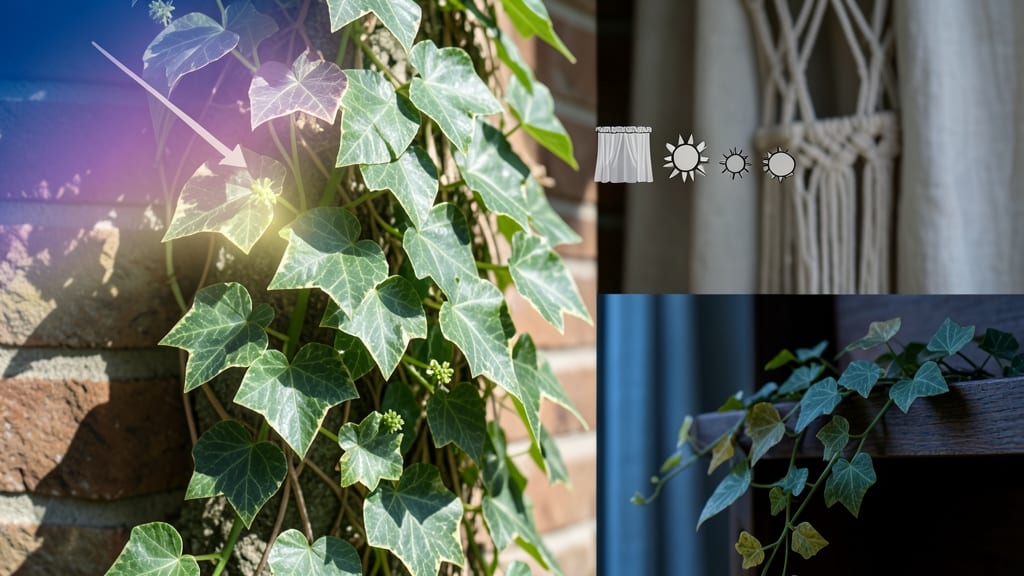
To keep your ivy plant thriving, you might be surprised by how much light it actually needs—more than you think, but less than harsh direct sun.
This hardy vine 🌿 can adapt to everything from shady corners to bright, filtered light, but getting the balance right is the key to lush, healthy growth.
Ivy’s flexibility makes it a favorite for indoor spaces, but even the toughest plants have limits. Too little light, and you’ll end up with leggy, weak stems reaching desperately for any scrap of brightness.
Too much direct sun, and those beautiful leaves can turn crispy at the edges. The trick? Finding that sweet spot where your ivy gets enough light to flourish without getting stressed.
Whether you’re growing English ivy, Boston ivy, or another variety, understanding their light preferences can save you from frustration. I’ll break down exactly how much light your ivy needs—whether it’s basking in bright indirect sunlight or thriving in lower-light conditions—and how to spot the signs when it’s not quite right.
Ready to give your ivy the perfect lighting setup? Let’s dive into the details so you can enjoy a vibrant, healthy plant all year round—no guesswork required.

Ivy light requirements: ideal sunlight ranges for healthy growth
Ivy plants are famously adaptable, but their light needs vary dramatically by variety and environment. Most ivy thrives in bright indirect light, but some varieties—like English ivy—can tolerate low-light conditions for months.
The key is understanding your specific type: Swedish ivy (Hedera helix) and Boston ivy (Parthenocissus tricuspidata) have slightly different tolerances. Too little light causes leggy growth, while too much direct sun can scorch those delicate leaves.
For indoor ivy, aim for 2–4 hours of morning sunlight near an east-facing window. If you notice leaves stretching toward the light, it’s a clear sign your plant needs more brightness.
Outdoors, ivy grows well under dappled shade—think tree canopies or north-facing walls—where it gets filtered sunlight for most of the day. The ideal light range for most ivy is 40–60% sunlight intensity, but this can shift based on your climate and the season.
Here’s how different ivy varieties handle light exposure, along with their ideal conditions to keep them lush and healthy:
If you’re growing ivy outdoors, pay attention to the seasonal shifts in sunlight. In summer months, when the sun is intense, provide afternoon shade to prevent leaf burn. Conversely, in winter, ivy can handle more direct light since the sun is weaker.
For container-grown ivy, rotate the pot every few weeks to ensure even light exposure on all sides—this prevents the plant from growing lopsided or leggy.
One common misconception is that ivy can thrive in complete darkness, like a closet. While it might survive for a while, it’ll become weak and sparse, with long, thin stems and sparse leaves.
If you’re in a low-light apartment, consider supplementing with a grow light (12–14 hours per day) to mimic natural conditions. LED grow lights are energy-efficient and won’t overheat your plant.
Outdoor ivy, especially climbing varieties like Boston ivy, benefits from morning sun and afternoon shade. This balance helps maintain vibrant foliage while preventing the leaves from drying out.
If you notice yellowing leaves on your outdoor ivy, it could signal either too much direct sun or underwatering. Check the soil moisture and adjust your watering schedule accordingly.
For indoor ivy, the best window placements are east or north-facing, where the light is gentle and consistent. Avoid south-facing windows during peak summer hours, as the sun’s rays can be too harsh.
If your ivy is near a window but still looks weak, try moving it 3–5 feet closer to the glass—just ensure it’s not touching the cold pane, which can stress the plant.
Pro tip: If you’re unsure about your ivy’s light needs, observe its growth patterns. Healthy ivy grows at a steady pace with dark green, glossy leaves. If you see pale or yellow leaves, it’s likely not getting enough light.
If leaves are brown or crispy, it’s getting too much direct sun. Adjust accordingly, and your ivy will reward you with lush, vibrant growth.
Ivy light requirements: ideal sunlight ranges for healthy growth
Ivy thrives in bright indirect light, making it perfect for homes with east or north-facing windows. While it tolerates low-light conditions, too little light causes leggy growth and weak stems.
Conversely, direct afternoon sun can scorch leaves, especially for delicate varieties like English ivy. Let’s explore the ideal light spectrum for different ivy types and how to spot signs of imbalance.
Most ivy varieties—including Swedish ivy and Boston ivy—prefer 4-6 hours of bright, filtered light daily. This mimics their natural habitat under dappled forest canopies. In indoor settings, place your ivy 3-5 feet from a window to avoid harsh rays while ensuring sufficient brightness.
For outdoor ivy, partial shade (like under a tree canopy) is ideal, especially in hotter climates where midday sun can be intense.
| Ivy Type | Ideal Light | Signs of Over/Under-Exposure |
|---|---|---|
| English Ivy | Bright indirect (2-4 hrs direct) | Yellow leaves (too much sun), leggy stems (too little) |
| Swedish Ivy | Low to bright indirect (0-3 hrs direct) | Brown patches (burn), pale leaves (weak light) |
| Boston Ivy | Partial shade (3-6 hrs filtered) | Stunted growth (too little), crispy edges (too much) |
If your ivy is indoors, rotate it weekly to ensure even light exposure. This prevents one side from stretching toward the window while the other stays weak. For outdoor ivy, morning sun is gentler than afternoon heat, so position it where it gets early sunlight but shade by noon.
In high-rise apartments, a south-facing window with sheer curtains can provide the perfect balance of brightness without harsh rays.
Watch for yellowing leaves or brown tips—these are red flags. Yellowing often means too much direct sun, while brown tips or pale foliage signals insufficient light.
Adjust placement immediately to avoid permanent damage. Remember, ivy is adaptable, but consistency in light exposure is key to maintaining its vibrant green hues and healthy growth patterns.
For fast-growing varieties like Swedish ivy, supplement natural light with a grow light (12-14 hours daily) during winter months when daylight is scarce. This mimics summer conditions and keeps your ivy lush year-round. Just avoid placing grow lights too close—6-12 inches away prevents leaf burn and ensures even coverage.
Pro tip: Test your ivy’s light tolerance by moving it gradually. Shift it a few inches closer to the window every 2-3 days to acclimate. This slow transition helps prevent sunburn or shock from abrupt changes.
With the right light balance, your ivy will reward you with dense foliage and vigorous vines that climb or trail beautifully. 🌿