
Plants
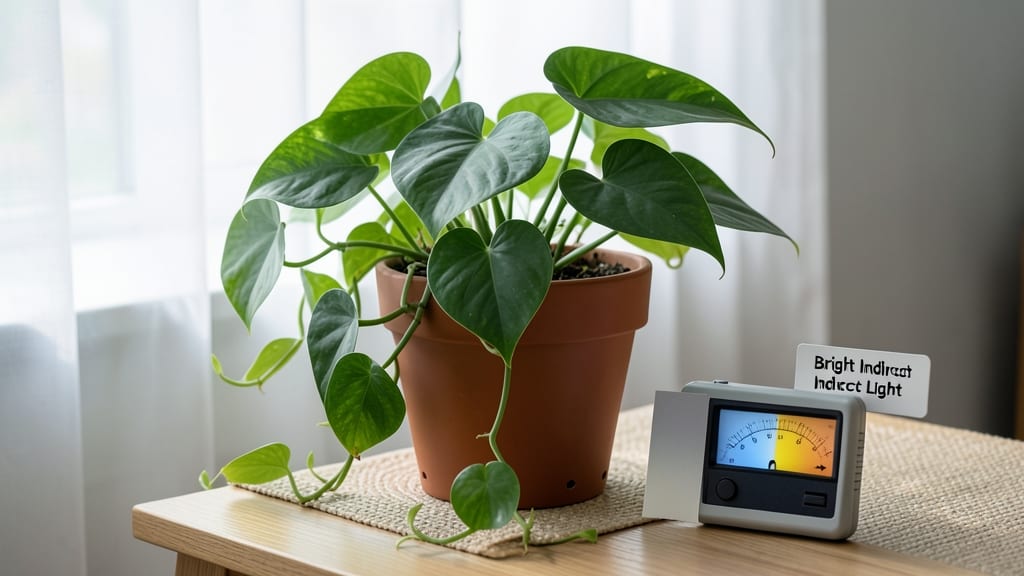
If your Philodendron 🌿 is struggling with yellow leaves or slow growth, you might be getting how much light does a philodendron plant need all wrong.
These plants are famously adaptable, but they still need the right balance—too little light, and they stretch out desperately; too much, and those gorgeous leaves burn.
Most varieties, like the popular heartleaf or Brasil, thrive in bright indirect sunlight, but they’ll survive in low-light spots too. The key is understanding how to spot the difference between "just enough" and "not enough" light for your specific type.
In this guide, I’ll break down exactly how much light your Philodendron needs, where to place it in your home, and what to watch for when things go wrong. No more guessing—just lush, happy growth.
Whether you’re dealing with a leggy vine or crispy leaf edges, these tips will help you create the perfect light conditions for your plant’s success.

Philodendron light requirements: the ideal spectrum for healthy growth
Philodendrons are among the most forgiving houseplants, but even they have specific light needs to thrive. These tropical vines prefer low to bright indirect sunlight, making them perfect for homes with limited natural light.
Too little light causes slow growth, while too much can scorch delicate leaves. Let’s break down the ideal conditions for your philodendron’s success.
Most philodendron varieties—like the popular heartleaf philodendron—do well in low-light conditions, but they’ll reward you with faster, bushier growth when placed in bright indirect light.
Varieties like Philodendron Brasil or Xanadu can handle slightly more light but still avoid harsh direct sun. Understanding these nuances ensures your plant stays lush and vibrant.
Direct sunlight is the biggest enemy of philodendrons. Even a few hours of intense afternoon sun can cause leaf burn, turning vibrant green foliage into crispy brown patches.
Instead, aim for dappled or filtered light, such as what you’d find under a sheer curtain or in a well-lit bathroom far from windows.
| Philodendron Variety | Ideal Light Conditions | Signs of Stress |
|---|---|---|
| Heartleaf Philodendron | Low to medium indirect light | Leggy growth, pale leaves |
| Philodendron Brasil | Medium to bright indirect light | Brown leaf tips, slow growth |
| Philodendron Xanadu | Bright indirect light (no direct sun) | Yellowing leaves, crispy edges |
| Philodendron Hope | Low to medium indirect light | Stunted growth, dark spots |
If your home lacks natural light, don’t worry—philodendrons adapt well to artificial grow lights. A simple LED grow light placed 12-18 inches above the plant can mimic natural conditions.
For best results, use lights for 12-14 hours daily and adjust the height as your plant grows. This setup is especially helpful for office plants or rooms with minimal windows.
Rotating your philodendron quarterly ensures even growth, as plants naturally lean toward light sources. This simple habit prevents lopsided foliage and encourages a fuller, healthier appearance. Pair this with a well-draining potting mix to keep roots happy, and you’ll see your philodendron flourish in no time.
For those in apartments or offices, north-facing windows are the gold standard for philodendrons. These windows provide consistent, gentle light without the harshness of south or west exposures. If your space only offers east or west light, use sheer curtains to diffuse intensity and protect leaves from potential damage.
Remember, philodendrons are low-maintenance champions when it comes to light. They’ll survive in dim corners but truly shine with moderate indirect light. Pay attention to their leaves—they’re your best indicator of whether your plant is getting just the right amount of sunshine.
Pro tip: If your philodendron starts looking leggy or sparse, it’s likely craving more light. Move it closer to a window (but not in direct sun) and watch as new growth emerges within weeks. Your plant will thank you with lush, vibrant foliage!
Philodendron light requirements: the ideal spectrum for healthy growth
Philodendrons are famous for thriving in low-light conditions, but that doesn’t mean they’ll grow well in total darkness. These vining plants prefer bright indirect sunlight, which mimics their natural understory habitat.
Too little light leads to leggy growth, while too much causes leaf burn. Understanding the light spectrum for philodendrons is key to keeping them lush and vibrant.
Most philodendron varieties—like the popular heartleaf philodendron—do best with 2-4 hours of indirect light daily. This could be a spot near a north-facing window or a few feet away from an east or west-facing window.
Varieties like Philodendron Brasil or Xanadu can handle slightly more light but still avoid harsh, direct rays.
The ideal light intensity for philodendrons falls between 1,000-2,500 foot-candles. To put that in perspective, a brightly lit office typically ranges around 500-1,000 foot-candles, while a sunny windowsill can exceed 10,000.
Too much direct sun, especially through south-facing windows, can scorch leaves, turning them yellow or brown along the edges.
| Variety | Light Needs | Best Placement |
|---|---|---|
| Heartleaf Philodendron | Low to bright indirect | North window or 3-5 ft from east/west |
| Philodendron Brasil | Bright indirect to moderate | 2-4 ft from east/west window |
| Philodendron Xanadu | Low to bright indirect | North window or filtered light |
| Philodendron Hope | Bright indirect | 3-5 ft from east/west window |
If you’re unsure whether your philodendron is getting the right amount of light, observe its leaf color and growth pattern. Healthy leaves should be deep green and glossy, while slow growth or pale leaves signal low light.
On the flip side, crispy edges or bleached spots mean it’s getting too much direct sun. Rotate your plant every few weeks to ensure even growth, especially if it’s near a window.
For homes with limited natural light, consider supplementing with LED grow lights. A simple 12-15 hour photoperiod (light exposure) daily can mimic ideal conditions. Place the light 6-12 inches above the plant and adjust the height as it grows.
This setup is perfect for office plants or spaces far from windows.
Philodendrons are adaptable, but their light needs vary by variety. For example, Philodendron Brasil can tolerate slightly more light than heartleaf varieties, making it a great choice for brighter rooms.
Always monitor your plant’s response to its environment and adjust accordingly. With the right light, your philodendron will reward you with lush foliage and vigorous growth all year round.